Health
Doctors Emphasize Movement and Mental Health With GLP-1 Medications
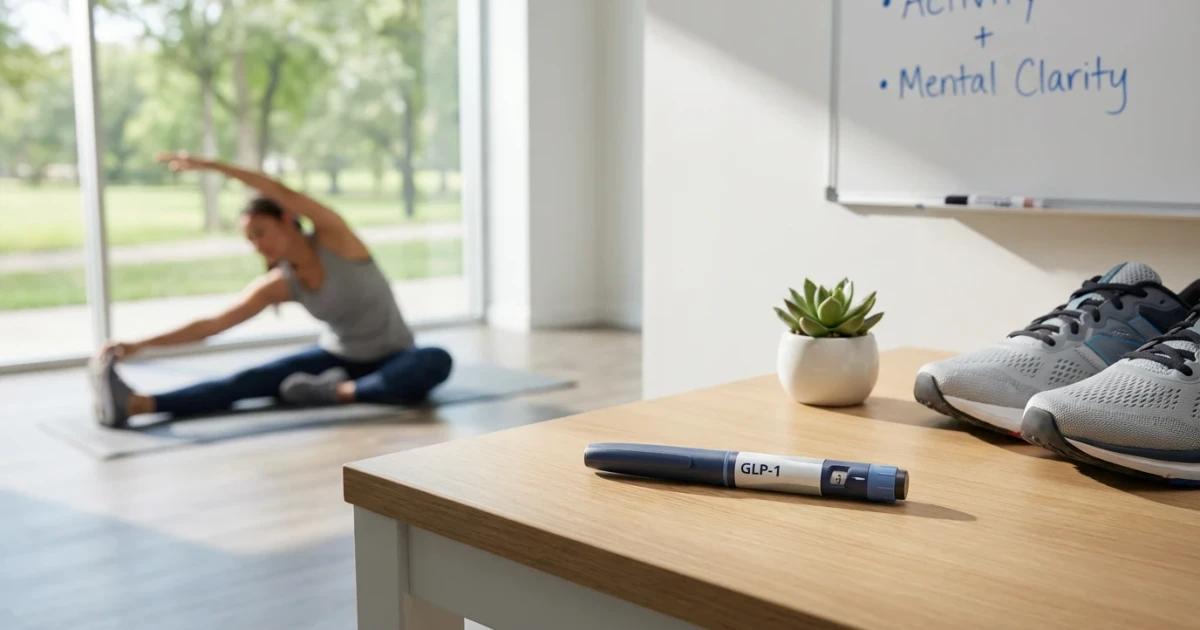
GLP-1 receptor agonists, including well-known drugs like semaglutide and liraglutide, have become increasingly popular for treating type 2 diabetes and obesity. As more patients turn to these medications, healthcare professionals are emphasizing the importance of not neglecting physical activity and mental health alongside pharmaceutical treatment.
GLP-1 Medications: What They Are and How They Work
GLP-1 receptor agonists are a class of medications that mimic the action of the glucagon-like peptide-1 hormone, which is naturally produced in the gut. They work by stimulating insulin secretion, suppressing appetite, and slowing gastric emptying. Clinical trials have shown that these drugs are effective for improving blood sugar control and promoting weight loss, which explains their increasing use for both diabetes and weight management. For those interested in the breadth of research, a searchable database of GLP-1 clinical trials is publicly available.
Physical Activity Remains Critical
Medical experts, as highlighted by Daily Kos, caution patients not to rely on medication alone. Regular physical activity remains essential even when taking GLP-1 drugs. The World Health Organization recommends at least 150 minutes of moderate-intensity activity per week for adults, and research consistently shows that movement offers benefits beyond what medication can provide.
- Exercise improves cardiovascular health and metabolic function independently of weight loss
- Physical activity can help maintain muscle mass during rapid weight loss induced by GLP-1 therapy
- Movement supports mental well-being, reducing risks of depression and anxiety
CDC physical activity data further underscores that the majority of U.S. adults do not meet recommended guidelines, making the reminder especially timely for those starting a GLP-1 regimen. For more statistics on physical activity trends, see the CDC’s data portal.
Mental Health Considerations
Alongside physical activity, mental health is a growing area of focus for patients using GLP-1 medications. While these drugs can contribute to improved mood and self-esteem through weight loss, some users may experience challenges like body image changes, social pressure, or unrealistic expectations. Additionally, emerging research suggests that GLP-1 agonists may have direct effects on the brain, potentially influencing mental health outcomes. A search of scientific literature shows ongoing studies examining links between GLP-1 use and depression, anxiety, and cognitive function.
Given these factors, doctors recommend that patients monitor their mental well-being, seek support when needed, and maintain realistic expectations about the role of medication. Integrating psychological support, such as counseling or group therapy, can help address emotional or behavioral challenges that may arise during treatment.
Expert Recommendations: A Holistic Approach
Doctors are united in their message: GLP-1 medications are a valuable tool, but not a standalone solution. The best outcomes are achieved when patients combine medication with healthy lifestyle habits, including regular exercise and attention to mental health. Official guidelines, such as the FDA prescribing information for liraglutide and the European Medicines Agency’s Ozempic product information, consistently note the importance of lifestyle modification alongside pharmacotherapy.
- Continue or increase physical activity as tolerated
- Monitor mood and mental health, seek help if concerns arise
- Maintain balanced nutrition and hydration
- Work with healthcare teams to set realistic, sustainable goals
Looking Ahead
As the use of GLP-1 receptor agonists expands, ongoing research will further clarify their full range of effects on the body and mind. In the meantime, medical professionals urge patients to take a comprehensive approach, integrating movement and mental health care into their routines for long-term success.