US News
Doctors question Pentagon's testosterone screening plan for troops 30 and older
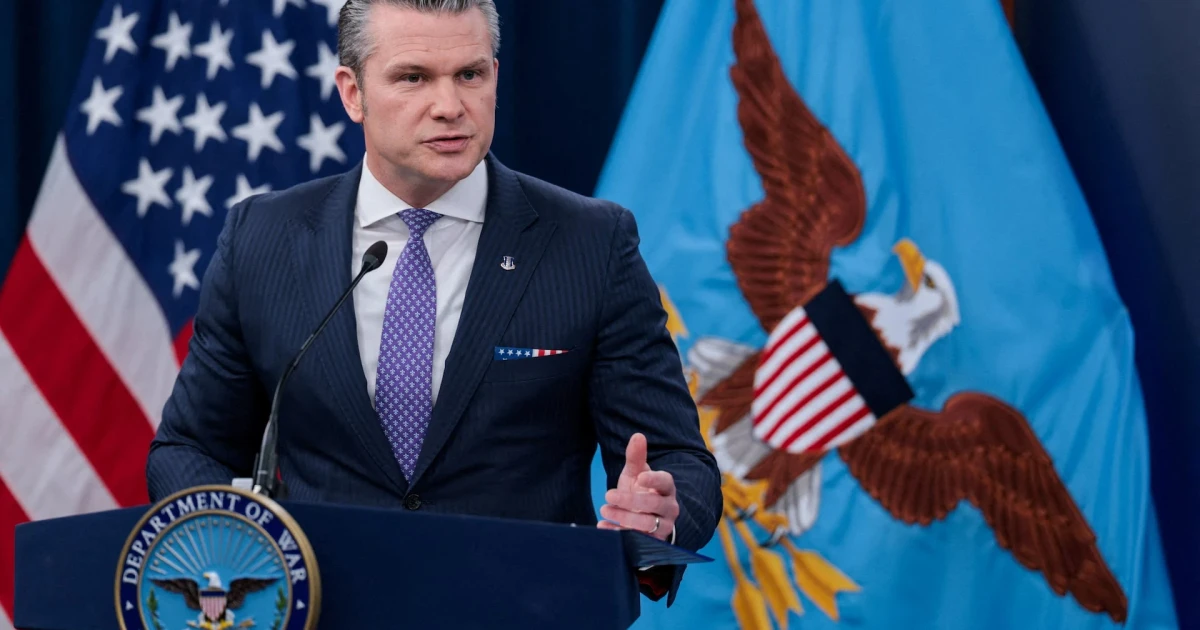
Pete Hegseth ordered annual testosterone-deficiency screening for U.S. service members age 30 and older, setting off immediate questions from doctors over whether the Pentagon is turning a medical issue into a readiness slogan.
The Defense secretary said the policy was meant to keep troops at their "absolute best" and build a "biological foundation to fight." The plan would fold testosterone checks into periodic health assessments, and Reuters reported that service members found to have low levels would be offered voluntary testosterone replacement therapy. Troops under 30 would be able to opt in for testing, while the Pentagon has not said whether hormone replacement therapy would be available to women.
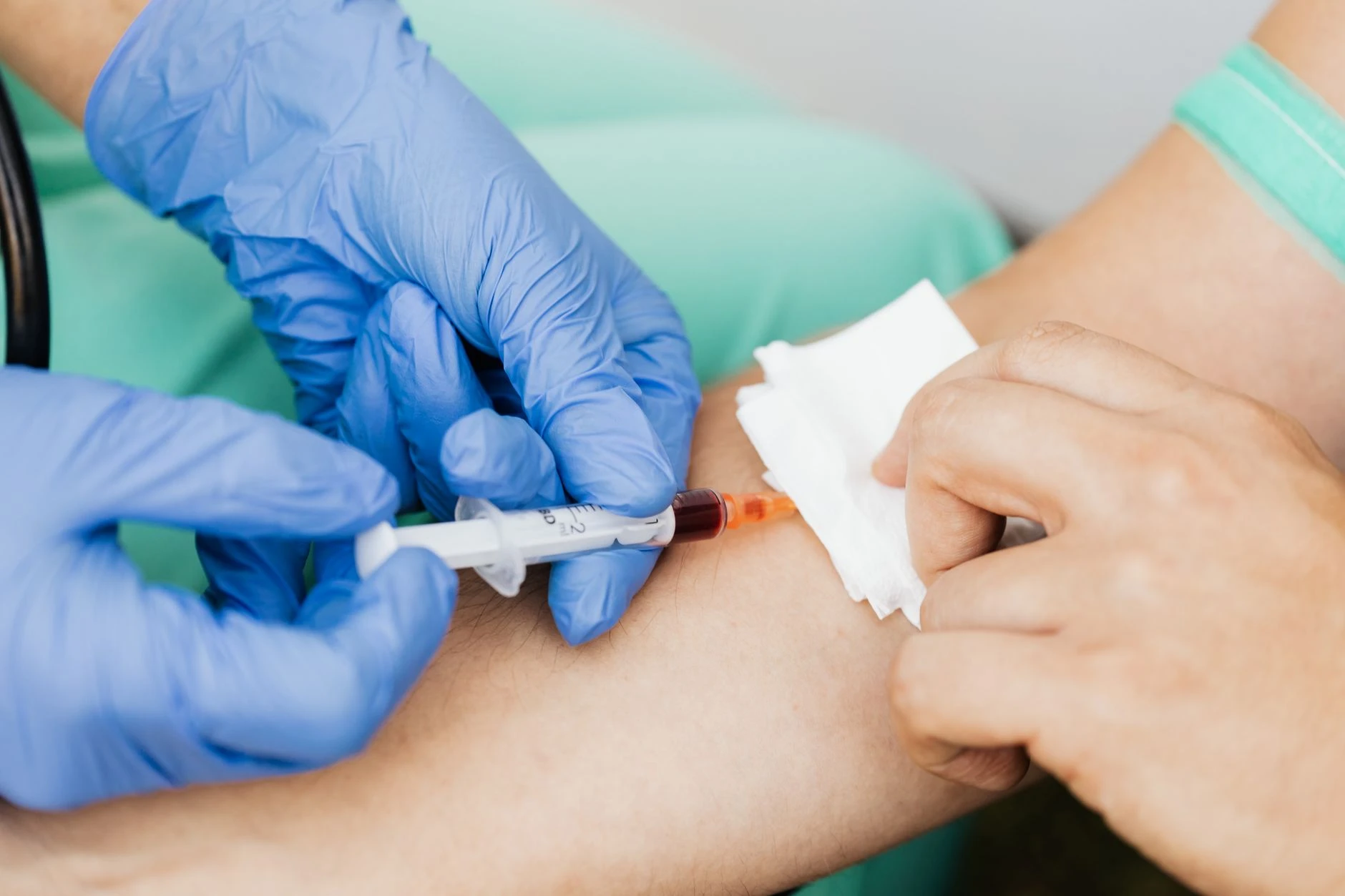
The medical pushback has centered on evidence, not ideology. Endocrine Society guidance recommends making a diagnosis of hypogonadism only in men with symptoms and signs consistent with testosterone deficiency, a standard that stands in tension with broad screening of otherwise healthy service members. Health experts cited by BBC News warned that mandatory testing could expose troops to unnecessary treatment and fertility risks, while also raising the question of whether testosterone testing is clinically useful across the force.
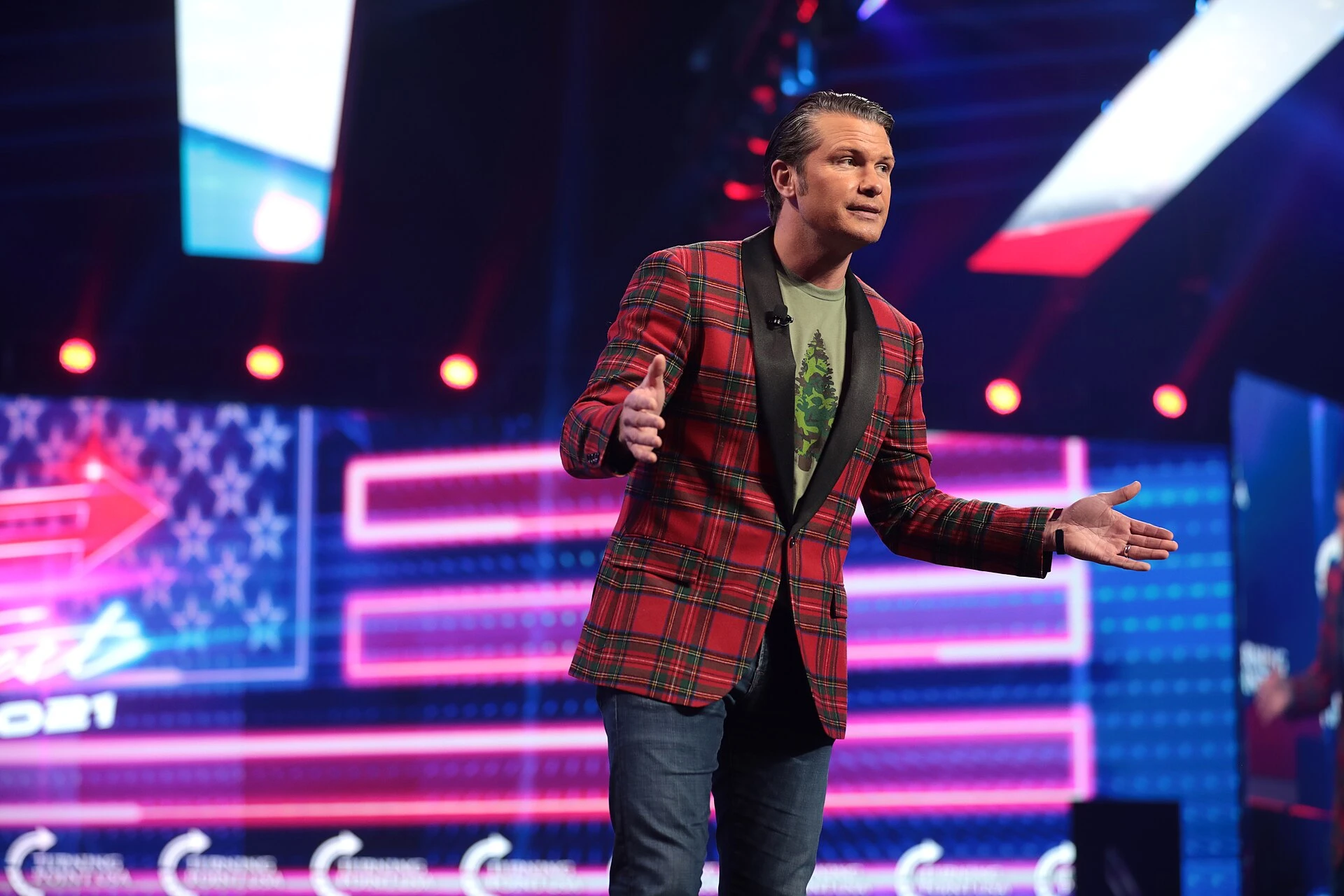
The proposal also fits a larger cultural frame around Hegseth himself. The New York Times has described him as trying to cultivate a "manosphere-friendly" image, and other coverage has linked his fixation on "low-T" to hyper-masculine politics. The Economist called testosterone screening in the military unusual, though not crazy, underscoring how the debate has moved beyond medicine into the politics of strength and identity.
That debate is unfolding as the Pentagon continues to wrestle with recruiting and readiness. USAFacts said military enlistment fell for 40 years and hit a low in 2022 before rising again, with an estimated 146,473 people enlisting in fiscal 2024, up 14% from fiscal 2022. AP has noted that the recent rise in recruiting began before Donald Trump’s reelection, complicating claims that a tougher culture alone is driving improvements.
For now, the screening plan remains a test of how far military health policy will stretch toward Hegseth’s ideal of physical optimization, and how much room remains for evidence-based care inside the Pentagon.
Sources
- [1]news.google.com
- [2]reuters.com
- [3]theguardian.com
- [4]bbc.co.uk
- [5]bbc.com
- [6]aljazeera.com
- [7]nytimes.com
- [8]apnews.com
- [9]usafacts.org
- [10]militarytimes.com
- [11]time.com