Health
Doctors see value in wearable health data, but barriers remain
The American Medical Association estimates that millions of people around the world now use smartwatches, fitness trackers and other devices to monitor their health, but physicians are still sorting out which numbers deserve clinical attention. The bigger question is whether that information can be used without overwhelming care.
What the AMA survey shows
The AMA Center for Digital Health and AI surveyed 2,222 physicians from January through early March 2026 in the United States, Canada and France as part of its 2026 International Physician Survey on Consumer Wearables and the related Multi-Country Study on Consumer Wearable Data in Clinical Practice. Its July 8 release framed the issue less as skepticism about wearables than as a problem of adoption and interoperability.
Consumer wearables now sit inside a larger direct-to-consumer health market that also includes telehealth, remote patient monitoring and digital health apps.
When data helps, and when it becomes noise
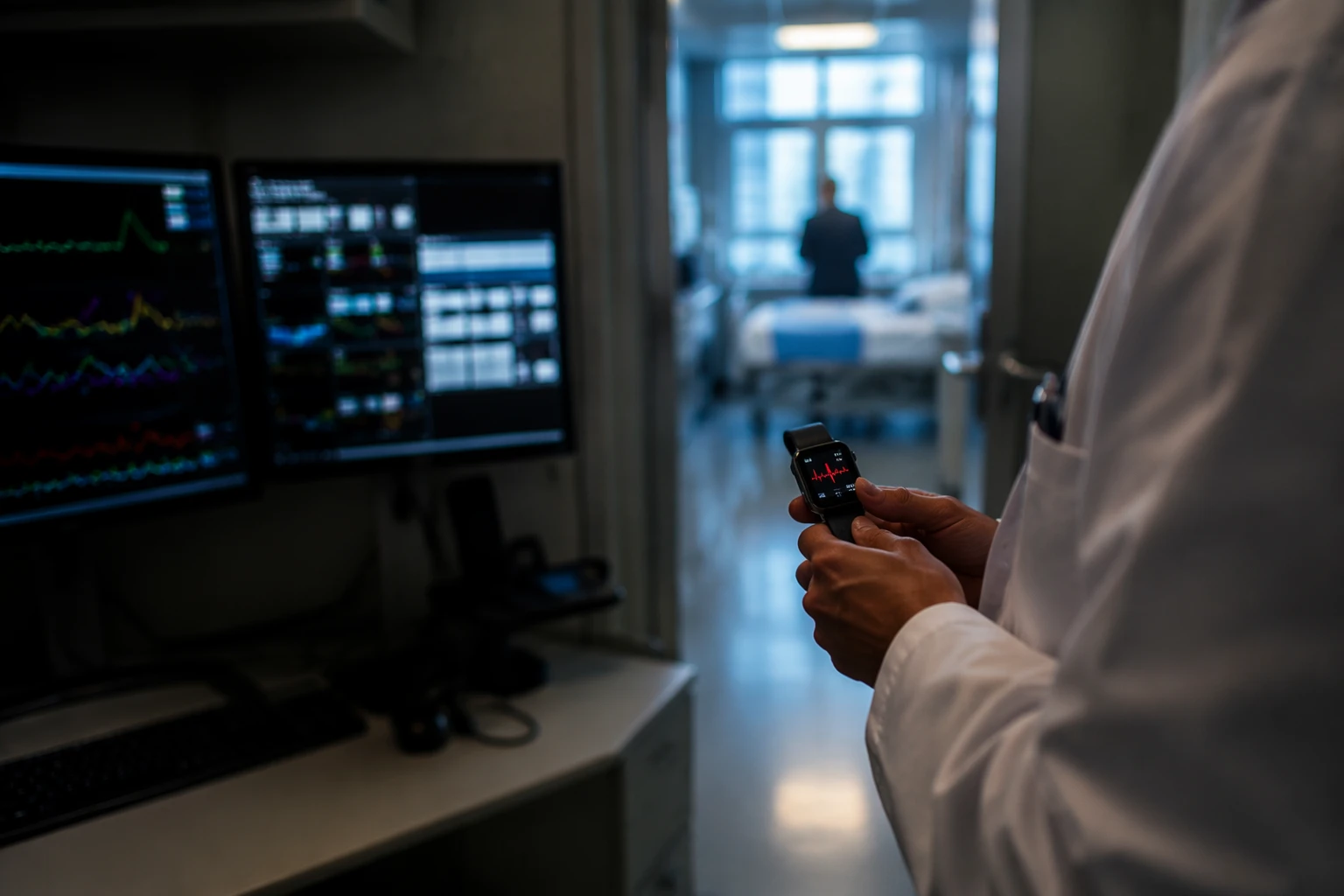
The clinical test is not how much data a device can generate, but whether it changes a decision. Wearable readings become useful when they are linked to a specific symptom, trend or question, and when the information arrives in a format clinicians can actually review and trust. Without that context, the same stream can turn into noise, especially when a patient is healthy but highly tracked.
That is where consumer self-optimization culture runs into medicine’s daily constraints. A fitness dashboard may motivate someone to walk more, sleep more or watch a heart-rate trend, but a doctor still has to decide whether the data is actionable, whether it is reliable enough to matter, and whether anyone on the care team has the time to respond. The AMA found that adoption is stalled by system barriers.
Why doctors are cautious about patient-generated data

Medicine has seen a version of this dynamic before. Older research on direct-to-consumer pharmaceutical advertising found that the ads lengthened clinical encounters in 55.9% of cases and led to patient requests for specific medications. A PubMed abstract on physicians’ views found that 33% believed discussing direct-to-consumer advertising improved the doctor-patient relationship, while 8% said it worsened it.
Wearables can produce a similar tension. Patient-generated information can sharpen a conversation by giving the clinician more to work with, but it can also consume time with explanation, reassurance and triage.
Privacy and governance shape whether the data is trusted
A Stanford Law School blog post published on Feb. 26, 2025 focused on digital diagnosis and health data privacy in the United States, and a 2025 systematic analysis of consumer wearable data policies across leading manufacturers pointed to unresolved questions about how wearable data is governed. The issue is not only who can see the data, but how long it is kept, how it can be reused and what happens when it moves across devices, apps and cloud systems.

Continuous monitoring creates a long record of intimate behavior, not just a one-time reading. If patients do not understand the rules around their data, trust can erode quickly, especially when the same information might be shared with multiple services that sit outside the exam room.
What would make wearable data clinically useful
The path forward is less about collecting more and more about building the plumbing around what already exists. Physicians need interoperability so wearable data can move into the clinical workflow without manual workarounds, and they need systems that can separate useful trends from background chatter. Patients need clearer privacy rules so the information they generate is not treated as a free-floating asset with no clear boundaries.