Health
Does Eating Meat Raise Your UTI Risk? What Science Says
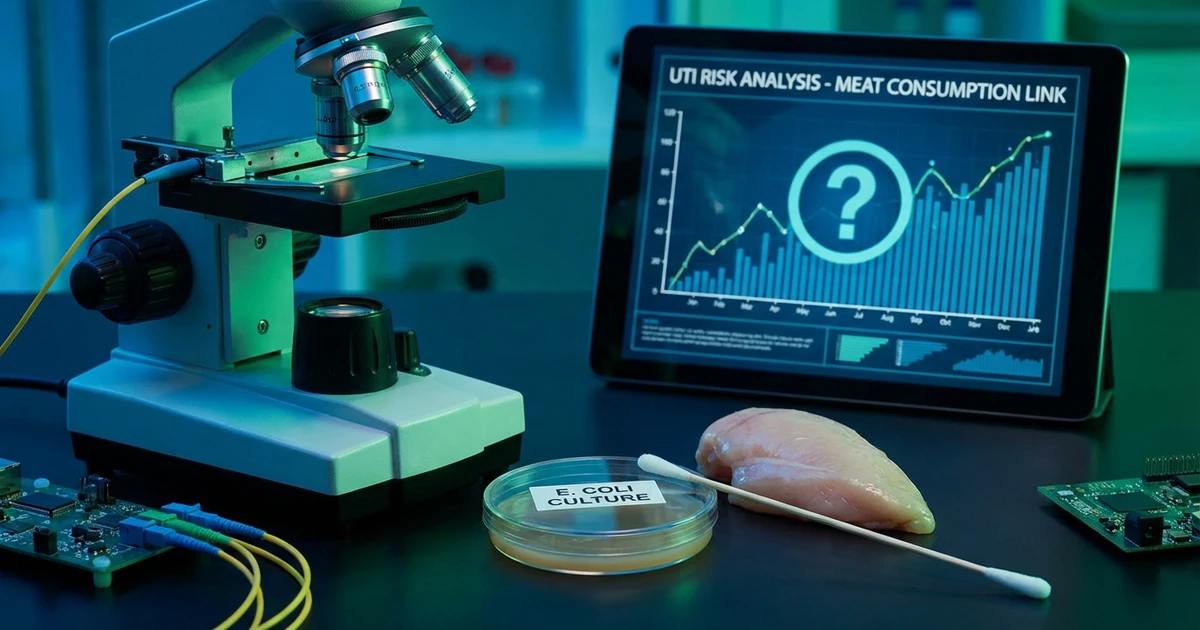
Urinary tract infections (UTIs) are among the most common bacterial infections worldwide—especially for women. As researchers dig into what sparks these infections, a surprising question is emerging: Could eating meat actually increase your risk of getting a UTI?
Understanding the Link: Meat and Bacterial Infections
Recent coverage in The Washington Post highlights growing scientific interest in the connection between meat consumption and UTIs. The concern centers on the bacteria responsible for most UTIs: Escherichia coli (E. coli). While some E. coli strains are harmless, others can travel from the digestive tract to the urinary tract, causing infection.
- UTIs affect millions globally each year, with women at higher risk due to anatomy and hormonal factors.
- E. coli causes up to 80-90% of uncomplicated UTIs.
How Meat Could Play a Role
Experts cited by The Washington Post point out that foodborne E. coli—especially from contaminated chicken, beef, and pork—may be genetically similar to the strains behind many UTIs. The theory is that when people eat undercooked or contaminated meat, they might inadvertently introduce these bacteria into their bodies, which can then colonize the gut and potentially trigger a UTI.
- Contaminated meat is a known source of foodborne E. coli.
- Proper cooking and food handling practices are essential to minimize risk.
What the Research Shows
Scientists are still unraveling the exact relationship between E. coli in meat and human UTIs. Several studies have found matching genetic fingerprints between bacteria in retail meat and those isolated from UTI patients, suggesting a plausible connection. However, experts caution that this doesn’t mean all UTIs are caused by eating meat, nor that everyone who eats meat will develop a UTI.
Expert Advice: Should You Change Your Diet?
Health authorities do not currently recommend that most people stop eating meat to prevent UTIs. Instead, they emphasize:
- Cooking meat thoroughly to kill bacteria
- Practicing good kitchen hygiene (washing hands, avoiding cross-contamination)
- Storing meat at safe temperatures
People with recurrent UTIs or compromised immune systems may want to be especially careful, as they could be more susceptible to infection from contaminated foods.
Balancing Your Plate: Other UTI Prevention Tips
Alongside safe food practices, experts recommend the following strategies for reducing UTI risk:
- Staying hydrated to flush bacteria from the urinary tract
- Urinating before and after sexual activity
- Wiping front to back after using the bathroom
- Avoiding unnecessary use of antibiotics, which can disrupt healthy bacteria
The Bottom Line
While research into the meat-UTI connection is ongoing, current evidence suggests that food safety is key. Thoroughly cooking meat and following safe food-handling practices are practical steps everyone can take to limit exposure to harmful bacteria. For most people, moderate meat consumption within a balanced diet remains compatible with good health—so long as it’s prepared safely.
For more on UTI prevention and food safety, visit resources like the CDC Food Safety page.