Health
Dog Lick Leads to Sepsis and Quadruple Amputation for Ohio Woman
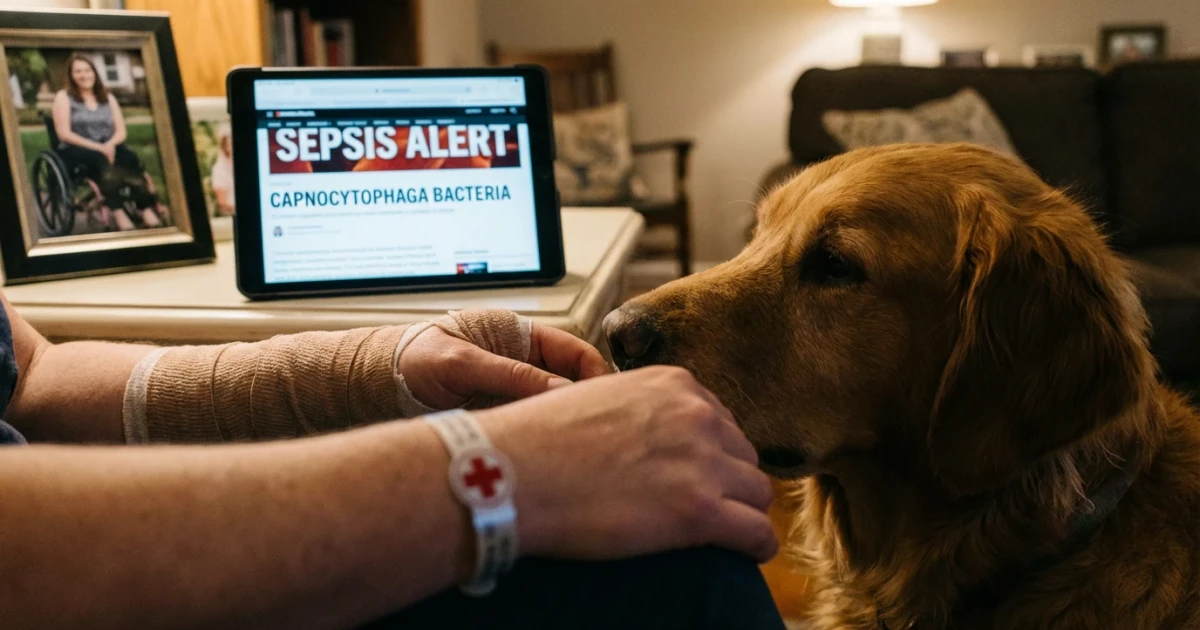
An Ohio woman’s routine interaction with her pet turned tragic when a simple dog lick led to a life-threatening infection, resulting in the amputation of all four of her limbs. The case has brought renewed attention to the rare but serious risks posed by certain bacteria carried by dogs and the dangers of sepsis.
How a Dog Lick Triggered a Medical Crisis
The woman, whose case was highlighted by AOL.com, developed a severe infection after being licked by her dog. While most pet owners consider such contact harmless, experts point to the presence of Capnocytophaga bacteria in the mouths of many dogs and cats. For most people, exposure does not cause harm. However, in rare instances—especially among those with weakened immune systems—the bacteria can enter the body through even minor breaks in the skin and trigger serious illness.
The Onset of Sepsis
Following the dog lick, the woman developed symptoms consistent with sepsis, a potentially fatal reaction to infection that can lead to tissue damage, organ failure, and death if not treated promptly. According to the National Institute of Diabetes and Digestive and Kidney Diseases, sepsis affects about 1.7 million adults annually in the U.S. and is a leading cause of hospitalization and mortality.
- Capnocytophaga canimorsus is a bacteria found in up to 74% of healthy dogs and can be transmitted through bites, scratches, or licks.
- Individuals with compromised immune systems, splenectomy (removal of the spleen), or chronic illnesses are at higher risk for severe infection.
- Symptoms of infection can include fever, vomiting, confusion, and in severe cases, septic shock and tissue necrosis.
Despite immediate medical treatment, the rapid progression of sepsis in the woman’s case led to extensive tissue damage. Doctors were forced to perform a quadruple amputation to save her life—a drastic but life-preserving measure sometimes necessary when sepsis leads to irreversible damage in the limbs.
Understanding the Risks of Capnocytophaga Infection
While rare, Capnocytophaga canimorsus infections are well-documented in medical literature. According to a review of CDC case data, most people exposed to the bacteria do not become ill, but certain groups—such as those with underlying health conditions—face a much higher risk of invasive disease. The CDC notes that about 3 in 10 people who develop severe Capnocytophaga infections die, and survivors often suffer serious complications, including amputations.
- Prompt treatment with antibiotics is crucial for suspected Capnocytophaga infection or sepsis.
- Early warning signs can include swelling, redness, and pain near the area of contact, as well as systemic symptoms like fever or confusion.
- Pet owners with health conditions that increase infection risk should take extra precautions and seek medical advice after bites, scratches, or concerning symptoms following pet contact.
Sepsis Awareness and Prevention
This case highlights the importance of sepsis awareness. According to the CDC, sepsis is responsible for more than 350,000 adult deaths in the U.S. each year. Early recognition and rapid medical intervention are critical to improving outcomes. Amputations, as seen in this case, are a rare but devastating consequence, occurring when blood flow is compromised and tissue dies due to the body’s extreme response to infection.
What Pet Owners Should Know
- Serious infections from pet licks or bites are uncommon, but possible—especially for immunocompromised individuals.
- Thoroughly clean all wounds from pets, monitor for signs of infection, and seek prompt medical care if symptoms develop.
- Discuss your health risks with your healthcare provider if you have chronic illnesses or have had your spleen removed.
Looking Ahead
While the odds of developing severe infection from a pet are low, this case underscores that it "could happen to anybody," as the woman’s family emphasized to AOL.com. Increased awareness and education about the risks of Capnocytophaga and sepsis can help pet owners make informed decisions and recognize early warning signs—potentially saving lives and limbs.