US News
DOJ declines to sign off on Trump anti-weaponization fund reversal
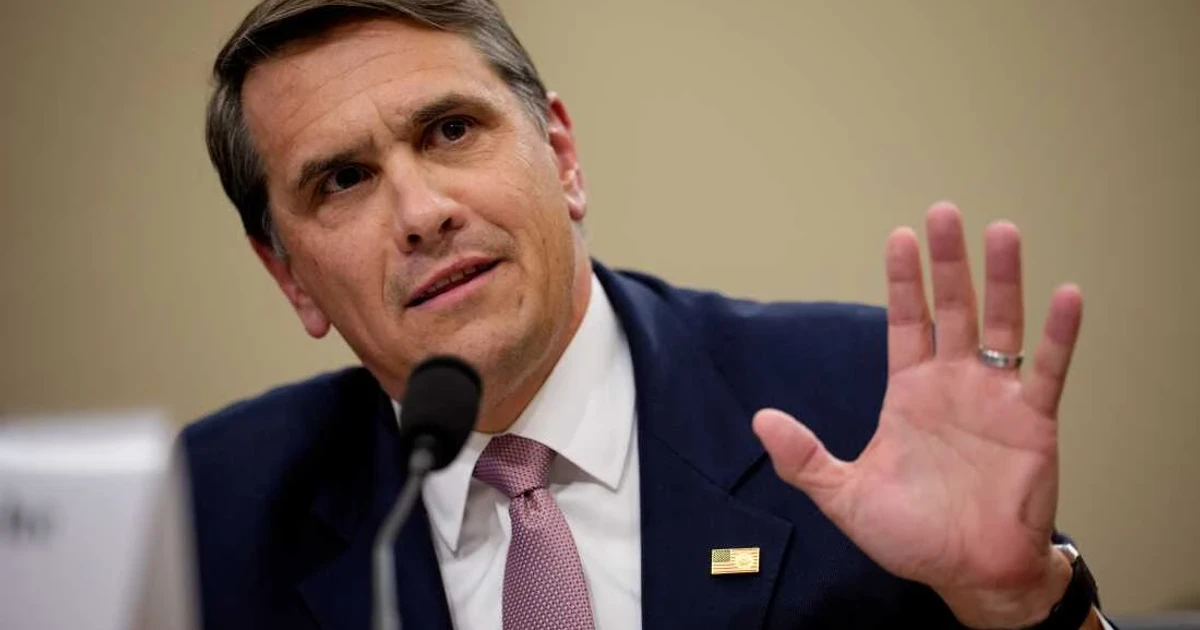
The Justice Department has told a federal court that its $1.776 billion Anti-Weaponization Fund is not moving forward, but it will not back that assurance with a sworn declaration from acting Attorney General Todd Blanche. That refusal has turned a settlement program into a sharper test of how much weight the department will give its own public reversal when a judge demands it in writing.
DOJ announced the fund on May 18 as part of a settlement in President Donald J. Trump v. Internal Revenue Service. The deal provided a formal apology to Donald J. Trump, Donald Trump Jr., Eric Trump and the Trump Organization, while they agreed to drop their lawsuit with prejudice and withdraw two administrative claims tied to the Mar-a-Lago raid and the Russia-collusion investigation. The department said the fund would be financed through the federal Judgment Fund, overseen by a five-member commission appointed by the attorney general, and could award money and formal apologies. Any unused money would revert to the federal government, and the fund was supposed to stop processing claims no later than December 1, 2028.
The program immediately drew legal and political resistance. Citizens for Responsibility and Ethics in Washington filed suit on May 22 in U.S. District Court for the District of Columbia, naming DOJ, Treasury, the IRS, Todd Blanche, Scott Bessent, Frank Bisignano, the fund itself and unnamed members of the commission. In a separate fight, Judge Richard Leon declined to issue a temporary restraining order but warned DOJ not to “play possum” with the court. Critics also raised the prospect that the fund could be used to compensate people convicted in connection with the Jan. 6, 2021 Capitol riot, including those who assaulted police officers. On Capitol Hill, that concern crossed party lines, with lawmakers including Reps. Brian Fitzpatrick and Tom Suozzi, along with a separate group of Senate Democrats, pushing to bar federal money from going toward claims under the program.
Blanche told the House Appropriations Subcommittee on Commerce, Justice, Science, and Related Agencies on June 2 that DOJ was not moving forward with the fund, but he did not put the assurance on paper. Judge Leonie Brinkema said that verbal promise was not enough and gave Blanche and Treasury Secretary Scott Bessent a week to file sworn declarations saying the fund was not going ahead before she would consider dismissing the case seeking to block it permanently.
On June 19, DOJ told the court that such a declaration would be “unnecessary” and said senior administration officials had already told Congress the project was off the table. The filing argued that forcing a sworn attestation would raise “serious separation of powers concerns.” DOJ also pointed to the Obama-era Keepseagle settlement fund as precedent, trying to frame the anti-weaponization program as a lawful claims mechanism rather than an ad hoc payout. The fight now sits at the intersection of budget power, judicial oversight and the department’s unwillingness to put its reversal under oath.
Sources
- [1]abcnews.com
- [2]justice.gov
- [3]cnbc.com
- [4]courtlistener.com