US News
DOJ let Alibaba avoid charges in $600 million drug case

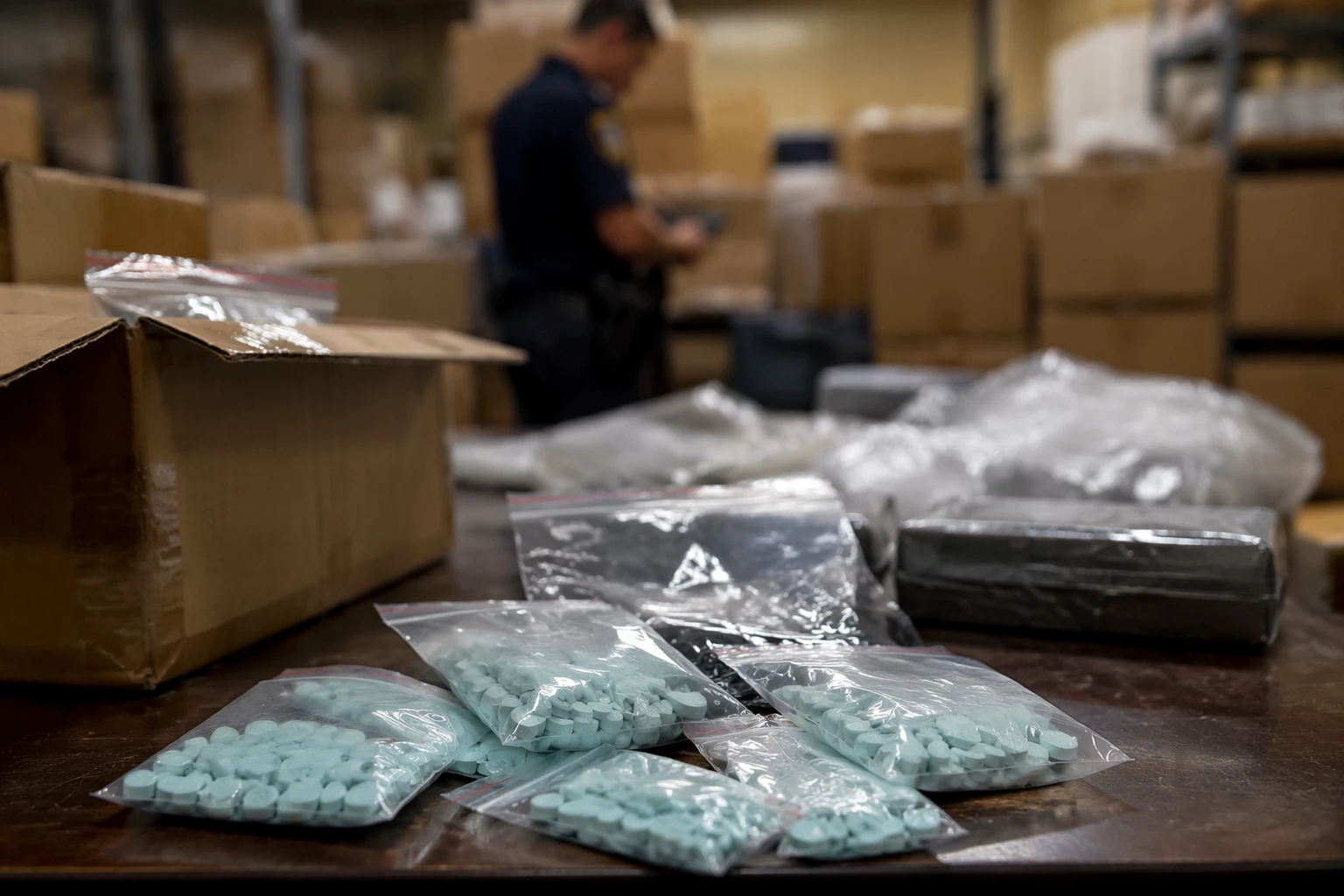
The Justice Department resolved a $600 million case against Alibaba Group Holding Limited and its U.S.-based payment processor, AUS Merchant Services Inc., without criminal charges, even after investigators said the platforms were tied to illegal drug sales into the United States. The non-prosecution agreement, announced July 1, 2026, covered allegations that Alibaba.com and AliExpress.com were used to move illegal pharmaceuticals, controlled substances, listed chemicals and pill presses into the country.
Federal prosecutors said the alleged conduct ran from January 2016 through December 2024, a period in which merchants on the platforms carried out roughly 80,000 unlawful sales involving imports into the United States. Federal law enforcement also made more than 40 undercover purchases of pharmaceuticals and counterfeiting equipment that were illegal to import, building a record that would normally underscore the scale of the public health and enforcement problem.
The agreement left Alibaba and AUS without a criminal conviction. Instead, the companies accepted responsibility, agreed to pay the settlement and promised to strengthen compliance programs. The Justice Department said it would not prosecute either company for the conduct described in the statement of facts during the term of the deal or afterward. That outcome put a hard price tag on conduct that prosecutors said crossed lines Congress drew decades ago in the Federal Food, Drug, and Cosmetic Act, the 1938 law that bars the sale, distribution or manufacture of counterfeit, adulterated or misbranded drugs and medical devices, along with related food, supplements and cosmetics.
Public records released with the settlement show a record of internal warnings as well. DOJ said Alibaba employees raised concerns that the company’s compliance controls and filtering systems were inadequate, and that some merchants used Alibaba’s messaging tools to steer buyers to third-party messaging platforms to facilitate illegal sales. Those allegations went to the heart of how a giant cross-border marketplace can host sellers in one country, ship goods through another and leave U.S. enforcement chasing transactions after the fact.

The case adds to a broader pattern in which the Justice Department has softened or declined some corporate criminal cases involving food, drug and medical-device safety. For Alibaba, the result was a deferred reckoning rather than a trial. For federal prosecutors, it was a rare chance to describe the scale of the problem in detail while still choosing a settlement over charges.
Sources
- [1]cbsnews.com
- [2]justice.gov