US News
DOJ scales back Alibaba case in $600 million settlement
The Justice Department said Alibaba Group Holding Limited and AUS Merchant Services Inc. agreed to pay a combined $600 million after entering separate non-prosecution agreements over alleged failures to stop illegal pharmaceuticals, controlled substances, listed chemicals and pill presses from being sold and imported through Alibaba.com and AliExpress.com. The department said Alibaba did not prevent roughly 80,000 product sales tied to imports into the United States between January 2016 and December 2024, with a combined gross merchandise value of more than $200 million.
Federal law enforcement made more than 40 undercover purchases during the investigation, and the department said employees at Alibaba raised concerns that the company’s compliance controls were inadequate. Investigators also said merchants used Alibaba’s in-platform messaging system, and in some cases third-party encrypted messaging platforms, to push unlawful sales. The company derived profit from related membership, marketing, advertising, shipping and payment-processing fees, placing the settlement squarely at the intersection of marketplace design, financial plumbing and product safety.
The case is also drawing attention because of the way it was resolved. CBS News reported that prosecutors believed they had enough evidence to prove felony violations of the Federal Food, Drug and Cosmetic Act, the 1938 law that bars counterfeit, adulterated or misbranded drugs and medical devices, along with unsafe food, supplements and cosmetics. Career prosecutors wanted a deferred prosecution agreement with felony admissions, but senior Justice Department leadership approved a lighter non-prosecution deal with misdemeanor admissions instead.
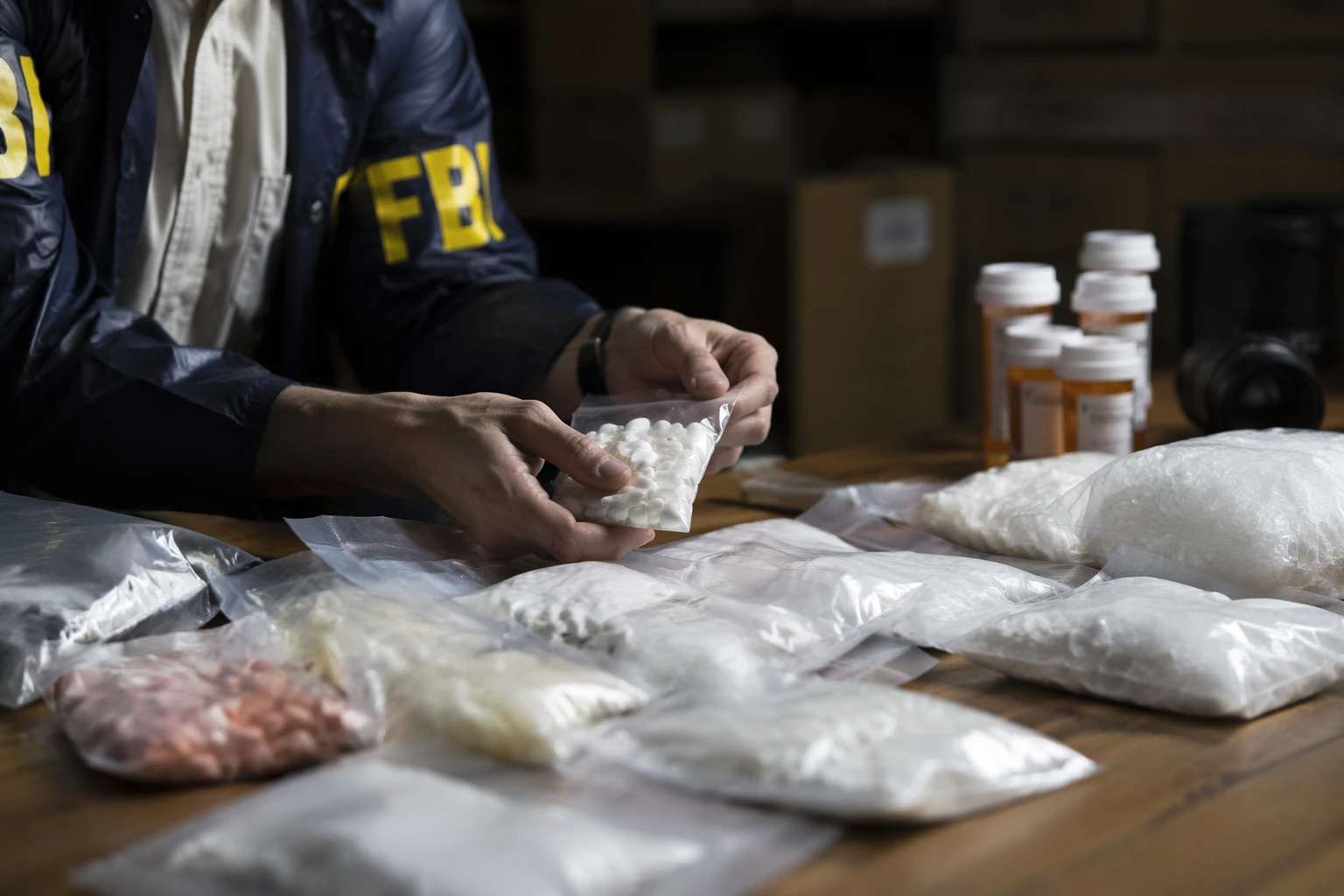
CBS News also reported that the Alibaba matter began during President Trump’s first administration and was strengthened under the Biden administration, underscoring how long the investigation moved through the government before ending in a settlement. The deal lands as public health advocates and some former prosecutors question whether reduced criminal treatment in food, drug and device cases weakens deterrence for platforms that help move risky products across borders and into U.S. homes.
The Alibaba agreement fits a broader pattern in which the department has softened, dismissed or abandoned other consumer-safety cases. One example is Abbott Nutrition, where FDA received complaints of four infant hospitalizations and one death linked to formula from the company’s Sturgis, Michigan plant, found Cronobacter sakazakii in environmental samples and shut down production there. DOJ later closed the criminal case in 2026 and moved toward civil recovery focused on profits from formula sales through federally funded nutrition programs. The department’s earlier disbanding of the Consumer Protection Branch, long associated with criminal and civil FDCA enforcement, added to the sense that the government’s posture on food, drug and device crimes has become less aggressive just as the risks to patients and consumers remain high.
Sources
- [1]cbsnews.com
- [2]justice.gov
- [3]food-safety.com