Business
DOJ Shake-Up Raises Questions for US Merger Oversight
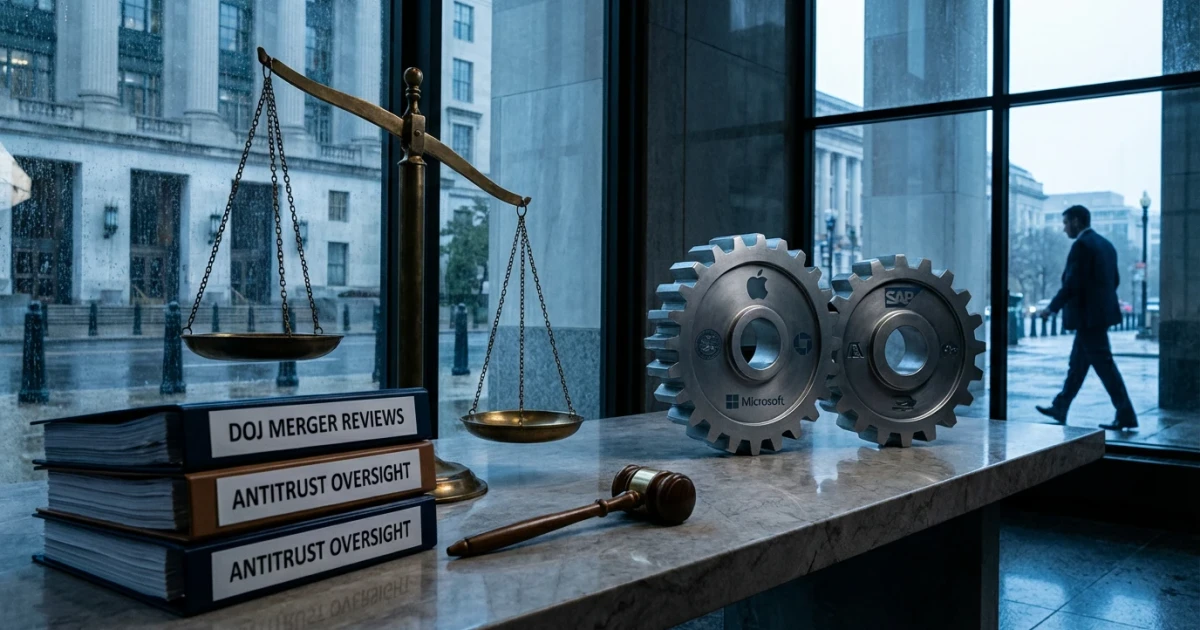
Gail Slater’s removal as the chief of the Department of Justice’s Antitrust Division has thrown the future of US merger oversight into uncertainty, according to recent reporting from Semafor. The abrupt leadership change, coming amid the Trump administration’s return to power, could open the door for increased merger activity across major industries.
Leadership Change and Policy Implications
Slater’s firing marks a significant departure from the DOJ’s recent stance on antitrust enforcement. In the past several years, the Division has taken a notably aggressive approach to scrutinizing large corporate deals. With her exit, many industry watchers expect a shift toward lighter regulation and a more permissive environment for mergers and acquisitions.
Semafor reports that the shake-up has already emboldened executives and dealmakers, who anticipate fewer obstacles to large-scale consolidations. This expectation aligns with the Trump administration’s previously articulated preference for reducing regulatory barriers.
Immediate Industry Reactions
Multiple sources cited by Semafor suggest that the financial, technology, and healthcare sectors are especially poised to benefit from the leadership change. Companies that had previously put merger plans on hold amid regulatory uncertainty are now reconsidering their options. Industry analysts point to the risk that increased consolidation could reduce competition and impact consumer choice, but supporters argue that it will boost innovation and economic growth.
- Past DOJ data shows a steady increase in merger enforcement actions over the last decade.
- According to FTC annual merger reports, the number of merger filings surged during periods of reduced enforcement.
- The official DOJ merger enforcement records provide historical context for the significance of leadership in policy direction.
Regulatory Environment in Transition
Policy experts note that the Trump administration’s approach to antitrust enforcement has typically focused on reducing what it sees as bureaucratic hurdles. The Premerger Notification Program—which requires companies to notify regulators before finalizing large deals—could see less stringent review standards.
However, some advocates warn that lowering the bar for mergers could trigger a wave of industry consolidation, potentially leading to higher prices and less innovation. Others argue that the market is self-correcting and that the previous administration’s policies were overly restrictive.
Looking Ahead
With the DOJ’s antitrust leadership in flux, the business community is watching closely for signals about future enforcement priorities. The coming months are likely to see a surge in proposed deals, testing the new regulatory landscape. How the administration balances pro-business sentiment with the risks of market concentration will shape the US economy for years to come.
For readers interested in tracking the impact of these changes, the DOJ’s competition and merger enforcement data provides ongoing updates, while the FTC annual report offers analysis and context on the state of merger oversight in the US.