Politics
DOJ warns states of criminal penalties over noncitizen voting checks
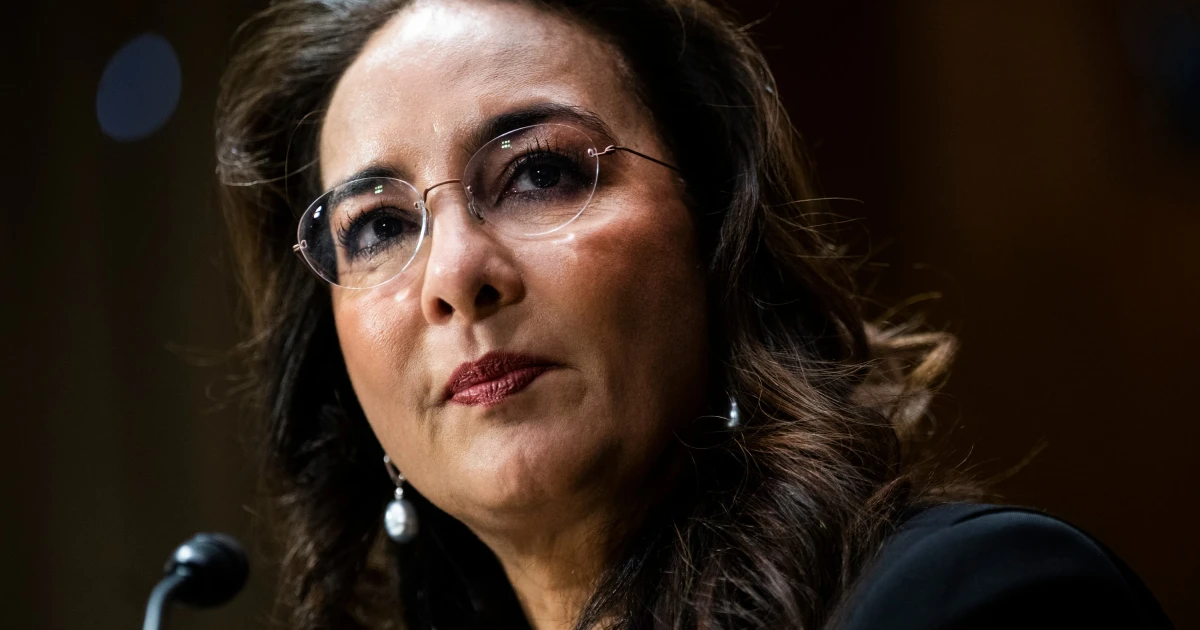
The Justice Department told Michigan and Arizona election officials that they could face criminal penalties if they fail to keep noncitizens off voter rolls, a sharp warning from Assistant Attorney General for Civil Rights Harmeet Dhillon in letters dated July 7.
The letters cited the Civil Rights Act of 1960, the Voting Rights Act of 1965, the National Voter Registration Act of 1993 and the Help America Vote Act of 2002. In DOJ’s view, the Civil Rights Division can seek injunctive relief and prosecute criminal violations, including cases where officials knowingly retain noncitizens on voter rolls or send and count their ballots. The letter to Michigan Secretary of State Jocelyn Benson said those actions could violate federal law.
A Brennan Center review of a 2017 survey across 42 jurisdictions found 30 suspected incidents of noncitizen voting among 23.5 million ballots cast, a rate of about 0.0001 percent.
A Brennan Center tracker shows the Justice Department has demanded voter information from nearly every state and Washington, D.C., sued 30 states and Washington, D.C. for refusing to provide statewide voter-registration lists, and seen 11 of those suits dismissed. The Sixth Circuit affirmed the Michigan district court ruling in one of those cases. Federal requests have often sought full statewide voter files, including driver’s license numbers and partial Social Security numbers.
Arizona Secretary of State Adrian Fontes called the warning politically motivated and “intimidation,” and said Arizona officials will follow Arizona law, not political rhetoric. The DOJ letter does not change state law or the legal responsibilities of state and county election officials. Arizona has required proof of citizenship to register to vote since 2004, the first state to adopt such a requirement, and Michigan officials have also criticized the federal demands as resting on unsupported allegations.
Sources
- [1]abcnews.com
- [2]democracydocket.com
- [3]brennancenter.org
- [4]azmirror.com
- [5]azsos.gov