Business
Dollar starts second half of 2026 as strongest major currency
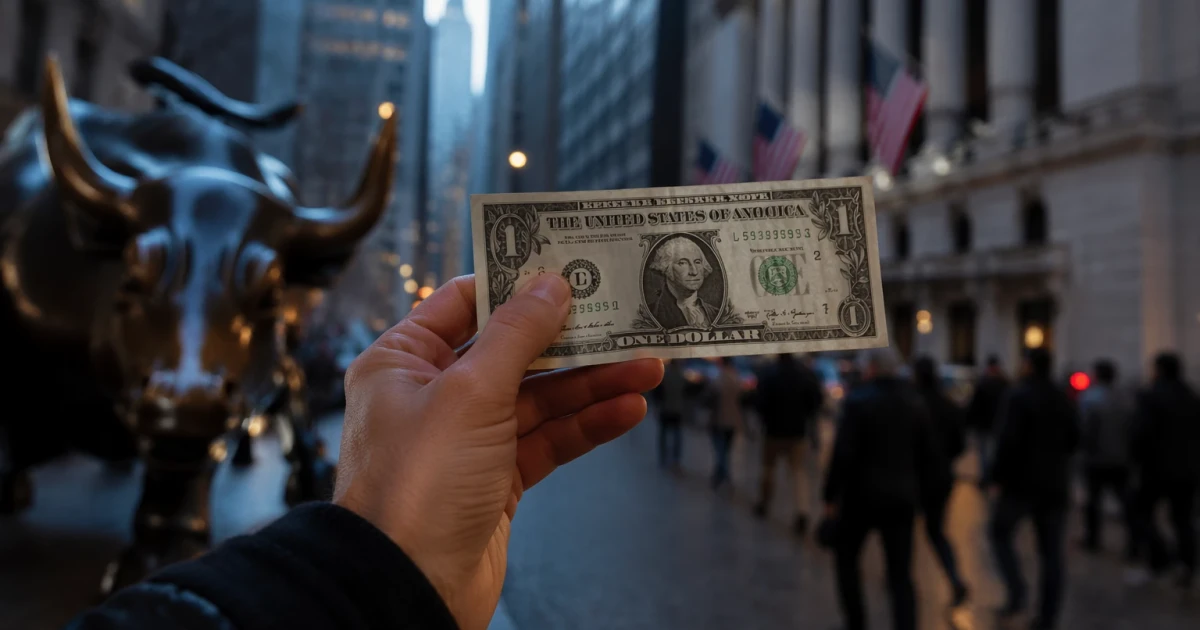
The dollar entered the second half of 2026 as the strongest major currency, up about 3% in the first six months as investors kept betting on higher U.S. interest rates and steady demand for American assets. Importers and travelers gain from a firmer currency, while exporters and multinationals absorb the drag.
The Federal Reserve left its target range unchanged at 3.5% to 3.75% after its June 16-17 meeting, and its latest Summary of Economic Projections mapped out the path for 2026 through 2028 and the longer run. Consumer prices rose 0.5% in May and 4.2% from a year earlier, with energy prices up 3.9% on the month and accounting for more than 60% of the increase in all items. That mix has kept traders focused on the chance that the Fed’s next move could be higher rather than lower.
The dollar’s rise has also been reinforced by stronger U.S. employment data and the continued view that the American economy is outpacing many peers. A lasting Iran ceasefire has helped cool energy prices and ease some inflation pressure, but it has not been enough to overturn a market that still sees U.S. growth as resilient and the artificial intelligence investment boom as a source of support for the economy. In that setting, the dollar has benefited from higher-rate expectations, capital inflows and geopolitical caution.
U.S. importers get more purchasing power when the dollar buys more abroad, and American travelers see their spending stretch further overseas. A stronger dollar also helps hold down imported inflation, which matters after May’s CPI report showed energy doing most of the work in the monthly increase. Exporters face tougher pricing abroad, and multinationals that earn large shares of revenue outside the United States see those foreign sales translated back into fewer dollars.
The Bank for International Settlements’ 2025 triennial survey covered more than 1,100 banks and dealers across 52 jurisdictions, with daily global foreign exchange turnover reaching $9.6 trillion. The IMF’s COFER database tracks the dollar alongside the euro, renminbi, yen, pound, Australian dollar, Canadian dollar and Swiss franc as reserve currencies, while in June the European Central Bank kept the euro as the world’s second most important currency and foreign portfolio inflows to the euro area were significant in 2025.
In the first half of 2025, the dollar fell more than 10%, its worst early-year drop since the early 1970s, as tariff worries shook confidence. Goldman Sachs’ 2026 outlook leans on U.S. resilience and U.S. preeminence.
Sources
- [1]money.usnews.com
- [2]federalreserve.gov
- [3]bls.gov
- [4]bis.org
- [5]banxico.org.mx
- [6]data.imf.org
- [7]ecb.europa.eu
- [8]goldmansachs.com