Business
Dollar surges as Fed rate hike bets and AI boom lift demand
The dollar opened the second half of 2026 as the year’s strongest major currency, up about 3% year to date and back from a first-half collapse a year earlier that had taken it down more than 10%, its worst opening stretch since the early 1970s. The rebound has pushed the greenback to 40-year highs against the yen and near yearly highs against the euro, tightening the pressure on governments, companies and consumers far beyond the United States.
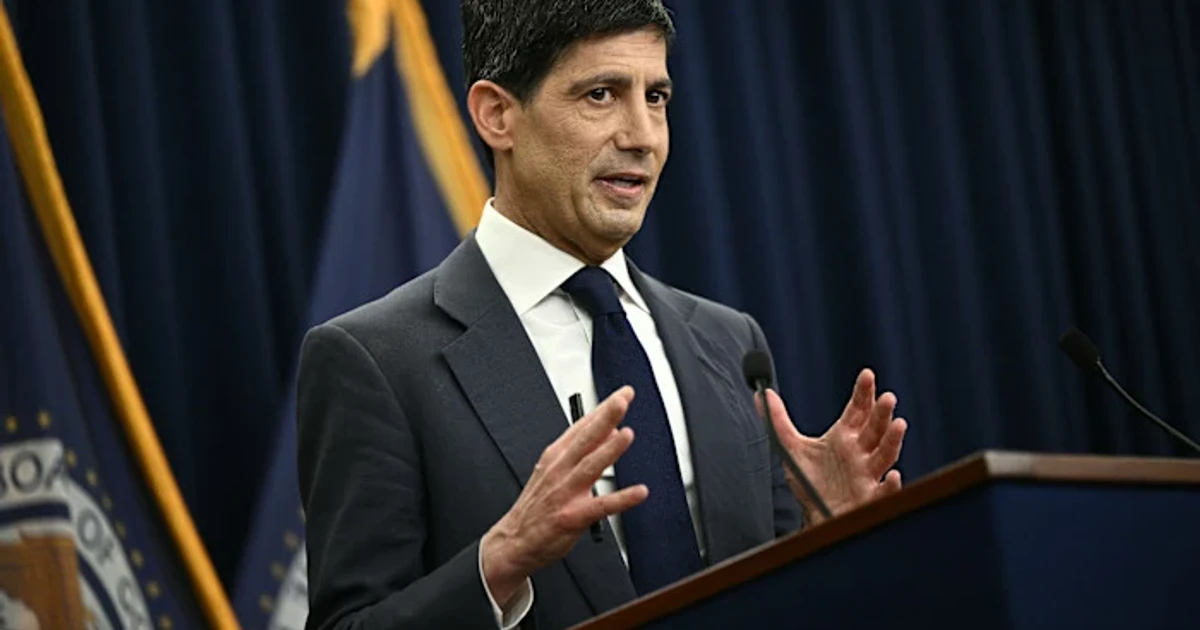
The immediate engine is a sharper interest-rate outlook. Traders now see at least one Federal Reserve rate hike this year and assign roughly even odds to a second move, a striking shift from just weeks ago when no increase was expected. Kevin Warsh, the new Federal Reserve chair, has adopted a hawkish tone centered on inflation, which remains above the Fed’s 2% target. That matters because higher U.S. yields make dollar assets more attractive, pulling capital toward Treasury markets, money funds and American equities just as investors continue to buy into the AI boom.
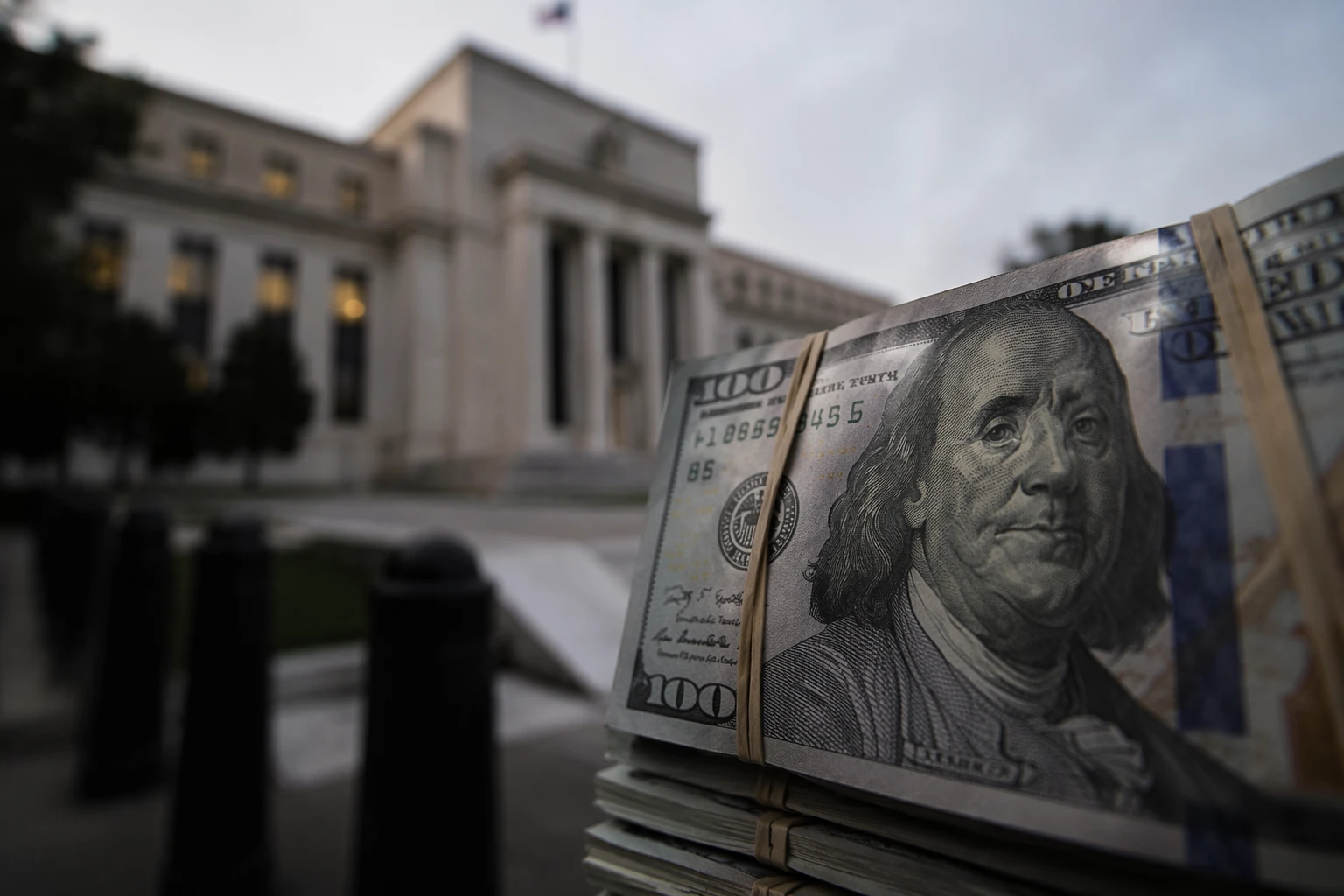
That technology bid is giving the dollar a second tailwind. Global money is still chasing U.S. scale, liquidity and tech leadership, and the result is a powerful feedback loop: stronger growth and AI enthusiasm support Wall Street, Wall Street supports capital inflows, and those inflows lift the currency further. Stephen Jen, chief executive and chief investment officer of Eurizon SLJ Asset Management, said, “The strong dollar is not welcomed by anyone,” even as U.S. companies and the American market remain too compelling for foreign investors to ignore. Bullish dollar positions have also surged, with CFTC data showing speculators building the fastest such bets on record for the first half of the year.

For Americans, the stronger currency usually means cheaper imported goods and easier trips abroad, because dollars buy more yen, euros and other foreign currencies. For exporters and multinationals, the math runs the other way: overseas sales translate into fewer dollars at home, and profits earned abroad look smaller once converted back into U.S. currency. Policymakers from Auckland to Zurich are dealing with weaker currencies that can raise import bills even after energy prices have eased, while Japan has had to watch the yen fall to levels that make imported food, fuel and industrial inputs more expensive.