World
Double earthquakes kill hundreds, devastate Venezuela’s northern coast
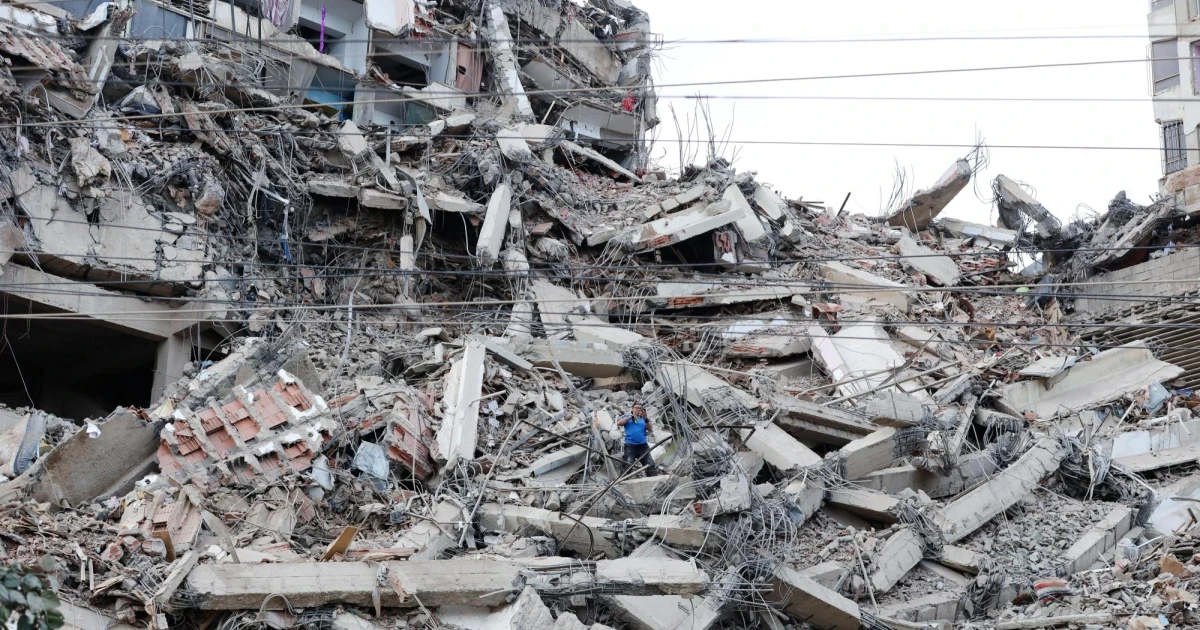
Two shallow earthquakes struck Venezuela 39 seconds apart on June 24, measuring 7.2 and 7.5 and knocking the country into emergency mode as buildings collapsed, residents poured into the streets and rescue crews rushed to reach people trapped under rubble. The rare seismic doublet hit during one of Venezuela’s strongest earthquakes in more than a century and quickly exposed how fragile the country’s built environment has become.
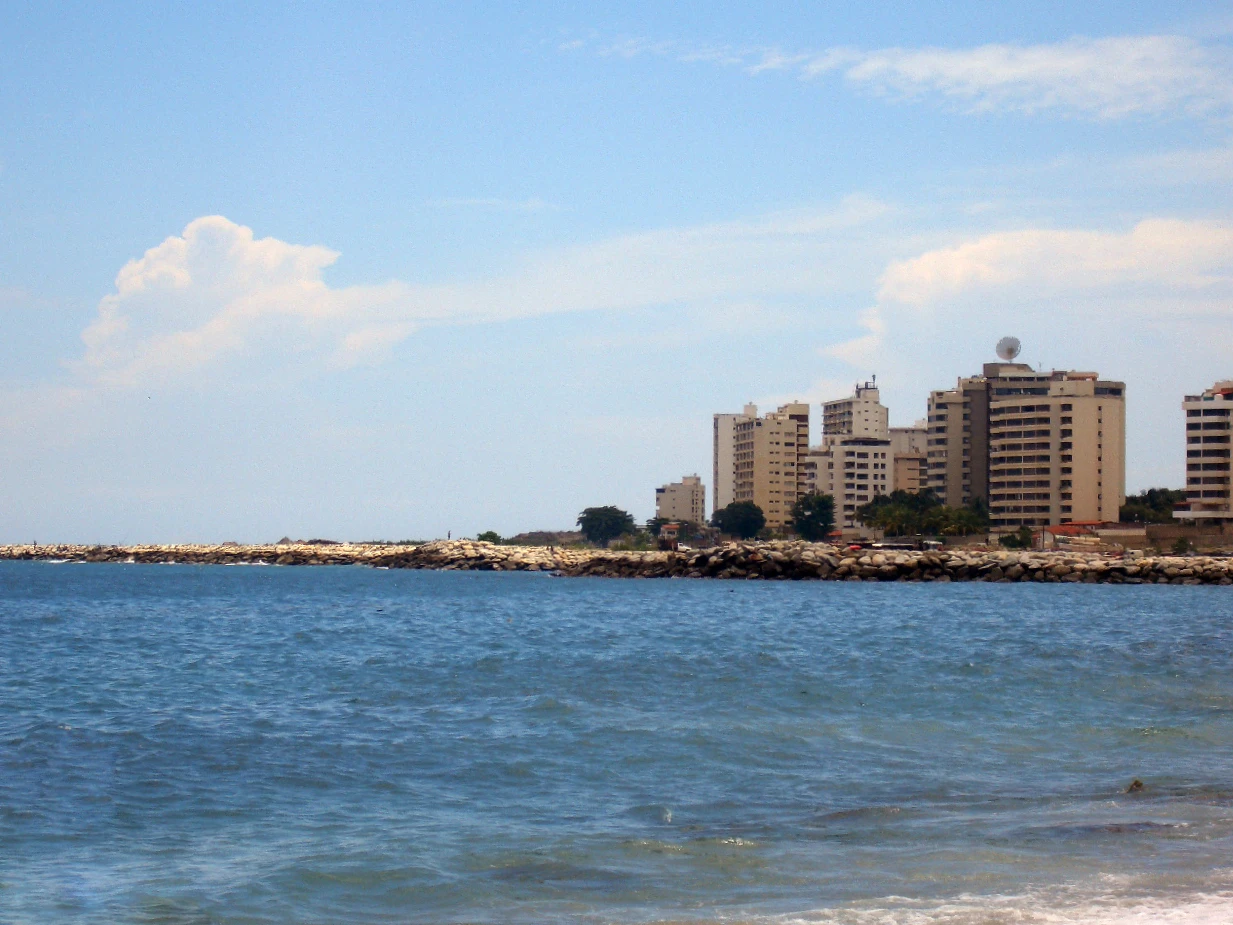
Officials said La Guaira, on the northern coast, appeared to be the hardest-hit state, with widespread damage and collapsed buildings. In Caracas and other areas, structures gave way as the shocks rolled through the capital and across northern Venezuela. The main airport was closed, adding another obstacle to rescue logistics and making it harder to move supplies, medical teams and heavy equipment into the worst damaged neighborhoods.
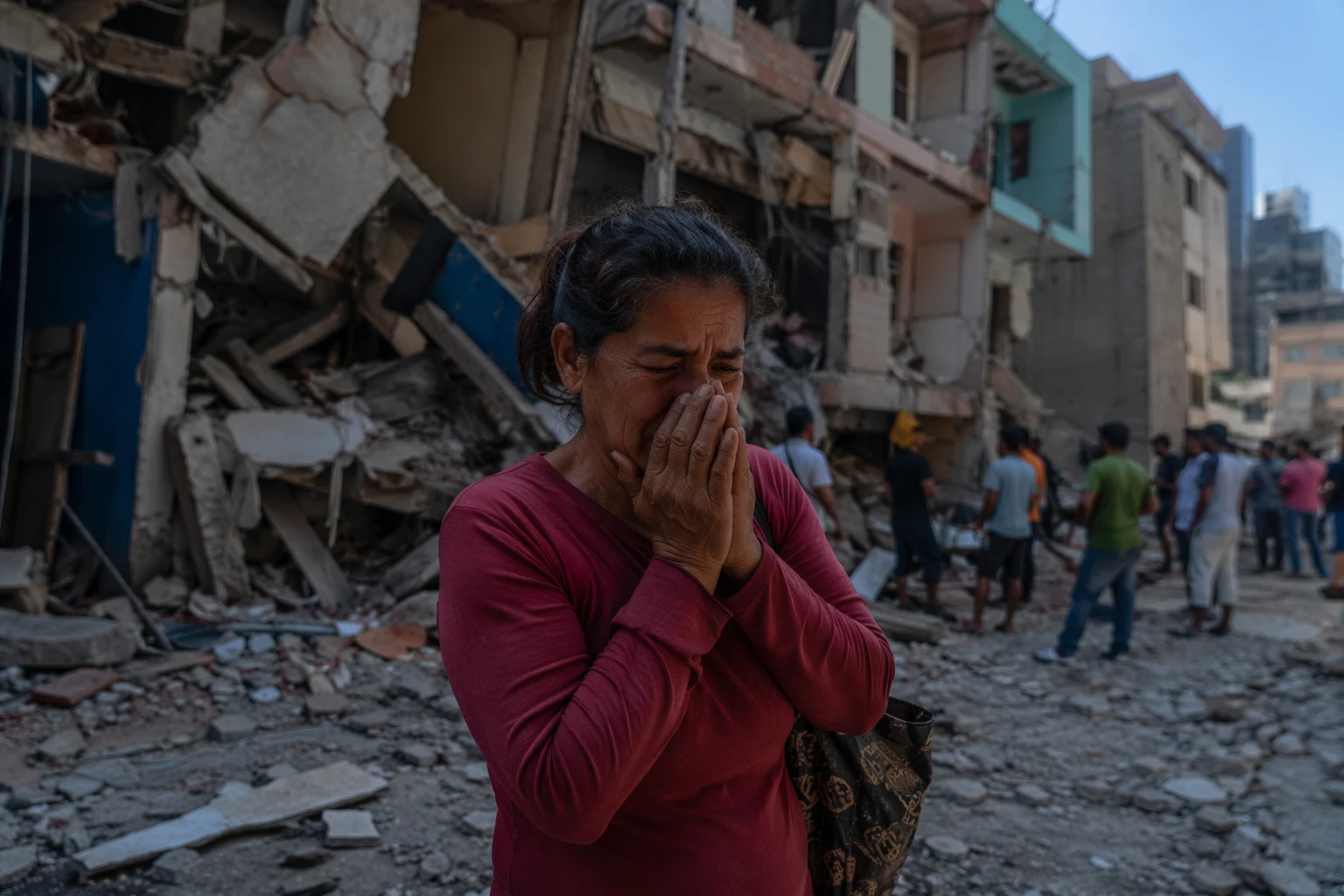
The toll mounted fast. By June 25, death reports ranged from at least 164 to 235 people, while injury counts climbed from the hundreds to more than 4,000 in later updates. The United States Geological Survey said such doublets are rare but dangerous because the first quake can weaken buildings before the second strike, and the shallow depth of the shocks made the destruction worse.
The tremors reached well beyond Venezuela’s borders, shaking buildings in Colombia and being felt as far away as Brazil’s Amazon region, about 1,700 kilometers away. That broad footprint underscored the force of the quakes and the strain on emergency teams already working through damaged roads, disrupted communications and collapsing infrastructure on the coast.
Venezuela declared a state of emergency as the search for survivors continued amid an already severe humanitarian crisis. The disaster has added another layer of pressure to a country where basic resilience is already thin, and officials faced the immediate task of locating the injured, clearing access routes and stabilizing communities hit hardest along the northern coast. Aid and condolences were offered internationally, including from Russia and Iran, as the scale of the damage became clearer.
Sources
- [1]nytimes.com
- [2]apnews.com
- [3]politico.com
- [4]aljazeera.com
- [5]smithsonianmag.com
- [6]usatoday.com
- [7]cbsnews.com