Business
Double Trouble Ahead: US Faces Critical Week for Jobs and Inflation Data
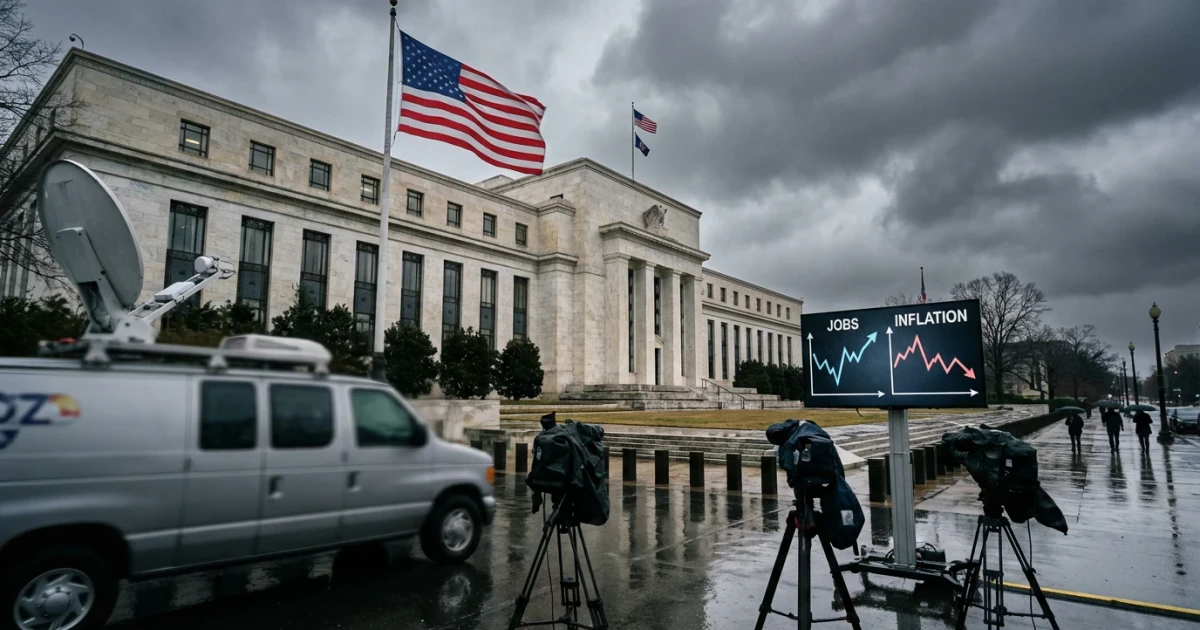
US markets and policymakers are preparing for a crucial week as new reports on employment and inflation are set to be released, putting the nation’s economic outlook under a microscope. The anticipation is high because these figures are expected to play a key role in determining the Federal Reserve’s next steps on interest rates.
Why This Week Matters: The "Double Whammy" Effect
As highlighted by Bloomberg, the upcoming week brings a rare convergence of major economic indicators: fresh US jobs data and a new inflation report. This combination—sometimes dubbed a "double whammy"—could amplify market volatility and policy debate.
- Jobs data will provide insights into the labor market’s resilience and wage growth trends.
- Inflation figures will reveal whether price pressures are cooling or persisting as the Fed aims for its 2% target.
Interest Rate Outlook Under Scrutiny
Both investors and economists are closely monitoring these reports because they could influence the Federal Reserve's interest rate decisions. Recent months have seen a careful balancing act: lowering rates too soon could risk reigniting inflation, but holding rates high might stifle economic growth.
Market watchers expect that unexpectedly strong jobs data or higher-than-anticipated inflation could delay any hopes for rate cuts. Conversely, signs of a cooling labor market or easing price pressures might encourage the Fed to consider trimming rates later this year.
What’s at Stake for the Economy and Markets?
The outcome of these reports will likely ripple through financial markets, impacting everything from stocks and bonds to consumer borrowing costs. Historically, a strong labor market has supported consumer spending, but persistent inflation remains a concern for households and businesses alike.
- Should both jobs and inflation exceed forecasts, the Fed may be pressured to maintain or even raise rates, affecting loan affordability and corporate earnings.
- Weaker numbers could signal an economic slowdown, prompting a more accommodative monetary policy stance.
What to Watch For
Key details that analysts and market participants will be watching include:
- Changes in nonfarm payrolls and unemployment rates
- Core and headline Consumer Price Index (CPI) trends
- Wage growth and labor force participation rates
- The Fed’s subsequent communications or policy signals
Looking Ahead
With the so-called "double whammy" of jobs and inflation data on deck, the coming week could prove decisive for US economic strategy in 2026. The interplay between employment strength and inflation persistence will guide not only Federal Reserve actions but also investor sentiment and business planning across the country.
As the nation awaits these pivotal data releases, attention will be focused on the numbers—and on the signals from policymakers about the road ahead for interest rates and economic growth.