Business
Dow Drops 400 Points as Markets React to Earnings and Fed Speculation
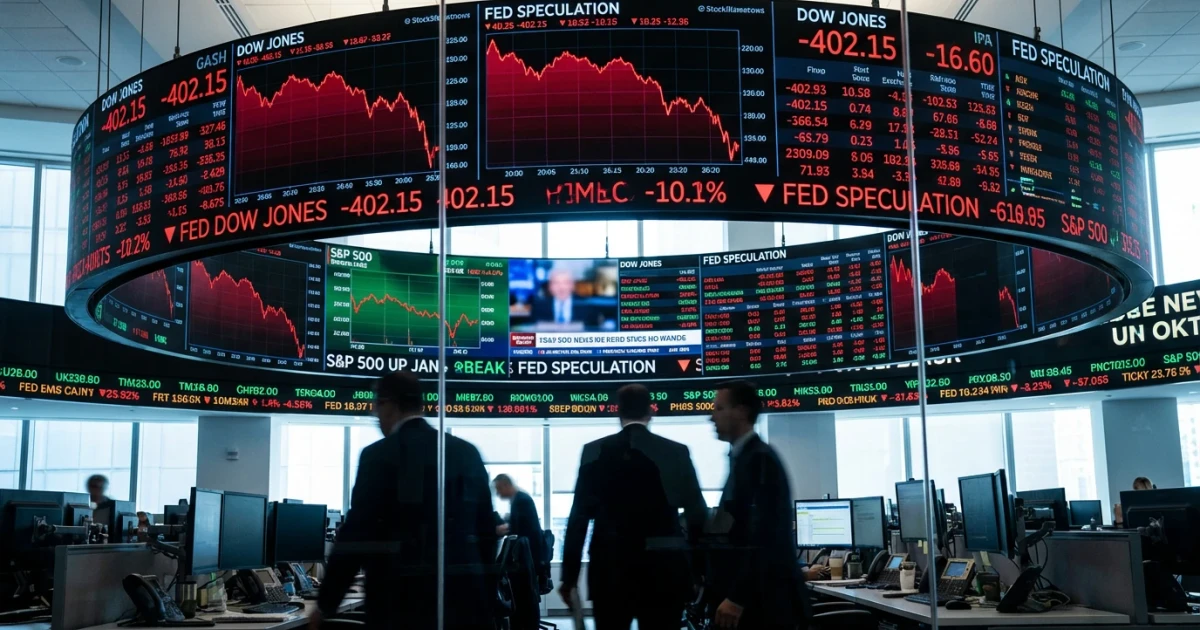
Wall Street faced turbulence on Thursday as the Dow Jones Industrial Average dropped 400 points, with investors digesting a combination of corporate earnings reports and speculation around the next Federal Reserve chair. Despite the sharp decline in the Dow, the S&P 500 remained on pace to notch a gain for January, reflecting the market’s resilience amid uncertainty.
Market Jitters as Fed Chair Speculation Intensifies
The market’s sharp sell-off was partly attributed to reports that Kevin Warsh is being considered by the White House as a leading candidate for the next Federal Reserve chair. Warsh, a former Fed governor, is perceived as more hawkish on monetary policy, fueling concerns among investors that interest rate hikes could arrive sooner or prove more aggressive than expected.
Uncertainty surrounding the future direction of the Fed has historically led to increased market volatility. On Thursday, that uncertainty was front and center, with investors weighing the potential implications of Warsh’s appointment on future rate decisions and the broader economy.
Corporate Earnings: Mixed Signals
In addition to the Fed speculation, investors digested a wave of corporate earnings reports. The results were mixed, with some companies posting robust numbers and optimistic outlooks, while others signaled caution amid ongoing macroeconomic headwinds.
- Solid performances in sectors like technology and consumer goods provided some market support.
- Disappointing results from certain industrial and financial firms weighed on sentiment.
These mixed earnings underscored the uneven economic environment facing corporate America at the outset of 2026.
S&P 500 Holds Firm Despite Dow Slide
While the Dow’s 400-point decline grabbed headlines, the S&P 500’s resilience is notable. The broad-market index remained on track for a monthly gain in January, suggesting that investors are retaining confidence in the market’s long-term prospects despite short-term volatility. This divergence highlights differing sector exposures: the Dow, with its concentration in industrials and blue chips, may be more sensitive to interest rate policy speculation, while the S&P 500’s tech weighting provides a buffer during times of uncertainty.
Looking Ahead: What Investors Should Watch
As the market digests the latest developments, several key factors remain in focus:
- Federal Reserve leadership: Any formal announcement regarding the Fed chair position is likely to trigger further market moves.
- Upcoming economic data: Inflation, employment, and GDP reports will help clarify the Fed’s likely path.
- Corporate earnings season: As more companies report, investors will gain deeper insight into the health of the economy.
While Thursday’s drop signals rising anxiety, the market’s underlying strength is reflected in the S&P 500’s ongoing gain for the year. Investors will continue to monitor both policy and earnings signals as they position for the months ahead.
Sources
- [1]CNBC