Business
Dow falls as OpenAI IPO delay report rattles tech stocks
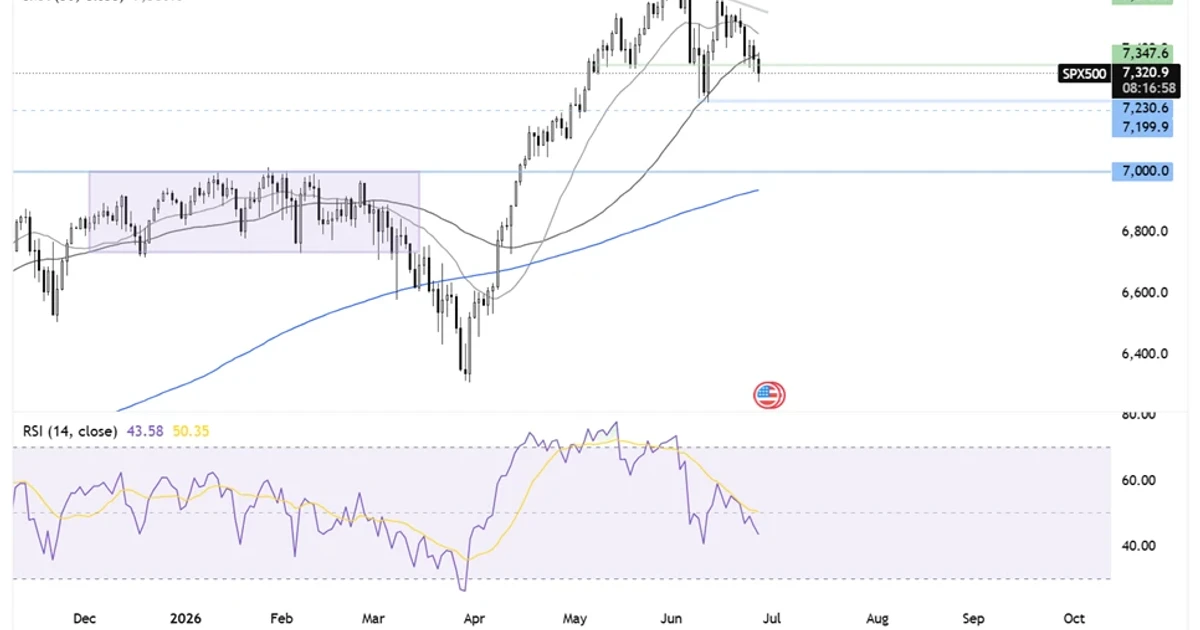
A report that OpenAI is leaning toward pushing its initial public offering to 2027 hit the market’s most crowded AI trades just after the Dow fell 237 points, the S&P 500 lost 0.7% and the Nasdaq Composite slid 1.1%. The reaction underscored how much of this year’s technology rally has become tied to one company’s growth story and to expectations that an eventual public listing would validate the whole AI boom.
The timing sharpened the anxiety. OpenAI had been preparing for a listing as early as the third or fourth quarter of 2026, while Sam Altman was pushing for a valuation near $1 trillion. The company’s March 2026 funding round, which closed at $122 billion and valued OpenAI at $852 billion post-money, already put it among the most closely watched private companies in the world. A delay to 2027 would stretch out the wait for a public price check on a business that has become a reference point for AI spending, infrastructure demand and private-market exuberance.

The selloff quickly moved beyond U.S. benchmarks. SoftBank Group, one of OpenAI’s major backers, fell more than 12% on June 26, and Japan’s Nikkei 225 ended the session down 4% as investors reassessed how much value had been tied to the OpenAI trade. The drop also rippled through Asia’s semiconductor names, including Samsung Electronics and SK Hynix, which had been buoyed by evidence of AI-related demand before the mood shifted again.
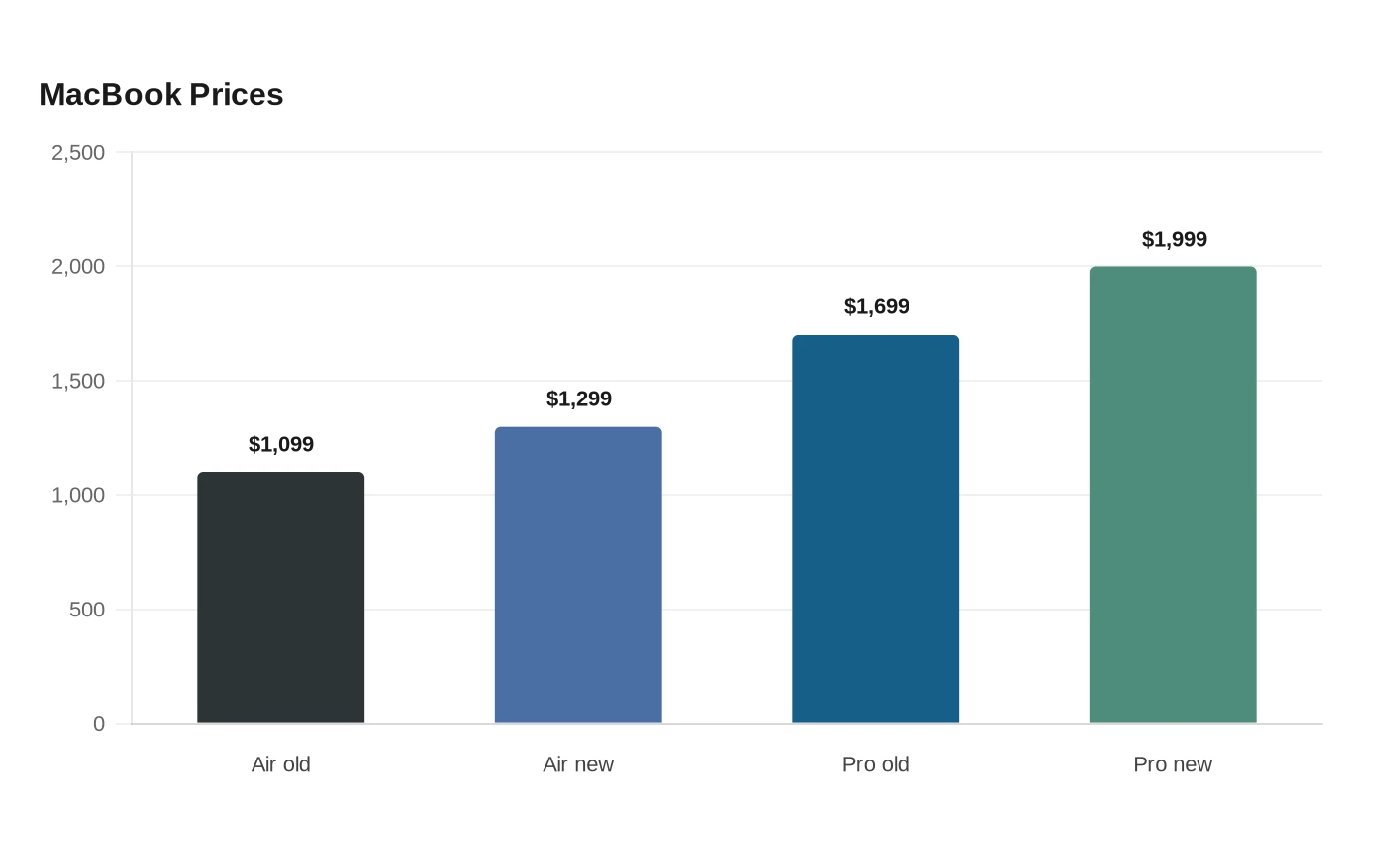
The backdrop was already fragile. Micron Technology’s blowout results on June 25 briefly lifted chip stocks, but the rally faded as traders returned to the question of whether AI spending can keep supporting sky-high valuations. Apple added another warning signal the same day when it raised prices on Mac and iPad models because of sharply higher memory and storage costs, lifting the MacBook Air from $1,099 to $1,299 and the MacBook Pro from $1,699 to $1,999.
For investors, the line between a one-day panic and a broader repricing runs through concentration. If the weakness stays clustered in AI infrastructure names, OpenAI-linked backers and chipmakers, the move can remain a sentiment shock. If it spreads into consumer hardware, Asian semiconductors and the major U.S. averages, the market is no longer just reacting to a delay. It is questioning how much of the AI premium was built on anticipation rather than earnings.
Sources
- [1]news.google.com
- [2]bloomberg.com
- [3]openai.com
- [4]ir.spacex.com
- [5]cnbc.com
- [6]japannews.yomiuri.co.jp
- [7]yahoo.com