Business
Dow Futures Slide Amid Rising U.S.-Iran Tensions
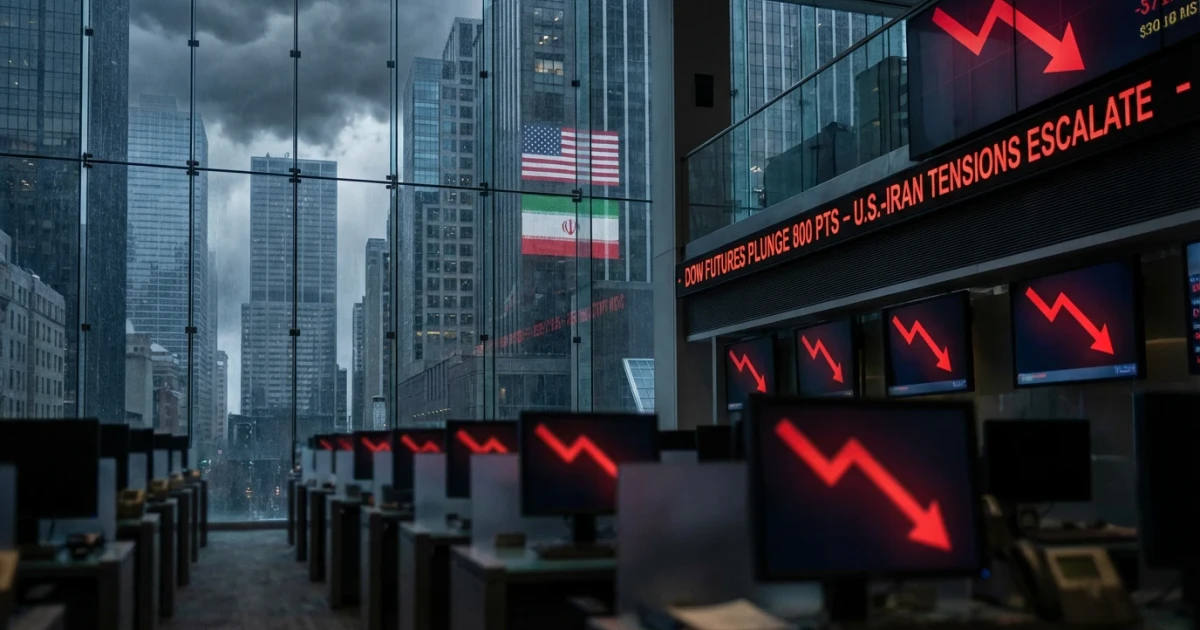
U.S. stock futures tumbled sharply on Tuesday morning, with Dow Jones Industrial Average futures falling more than 800 points as investors reacted to escalating tensions between the United States and Iran. The steep slide reflects mounting fears that continued conflict in the Middle East could have far-reaching consequences for global markets and inflation.
Market Turmoil Fueled by Geopolitical Concerns
CNBC reported that the sharp drop in Dow futures came as traders digested news of ongoing hostilities between the U.S. and Iran. The conflict, which has shown signs of intensification, has amplified investor uncertainty and led to widespread risk aversion across global markets. U.S. equity futures for the S&P 500 and Nasdaq also pointed lower, indicating a broad-based market retreat at the market open.
- Dow Jones futures dropped more than 800 points in early trading, signaling a significant negative open for the blue-chip index.
- The S&P 500 and Nasdaq futures were both down sharply, reflecting broader market concerns.
- Investors are watching for further developments in the Middle East, which could prolong volatility.
Inflation Worries Intensify
The rising prospect of a prolonged conflict has also stoked inflation fears. CNBC noted that energy prices surged as markets anticipated possible disruptions to oil supplies. Historically, Middle East tensions have led to spikes in crude oil prices, which can ripple through the economy and push up consumer costs. Investors have turned to safe-haven assets such as gold and Treasury bonds in response to the uncertainty.
For context, the Cushing, OK WTI Spot Price for crude oil is closely watched during such crises, as oil market volatility often translates directly into inflation and higher transportation costs. The Consumer Price Index (CPI) data remains a critical indicator for monitoring inflationary trends as the crisis unfolds.
Volatility Spikes as Investors Seek Safety
Market participants are also bracing for increased volatility. The Cboe Volatility Index (VIX), often called Wall Street’s “fear gauge,” typically rises in periods of geopolitical uncertainty. Elevated volatility may persist if the conflict continues or expands, potentially impacting trading volumes and liquidity across equities and other asset classes.
- Safe-haven assets like gold and U.S. Treasuries have seen increased demand.
- Market volatility is expected to remain elevated until there is more clarity on the situation.
- Investors are closely watching official statements and diplomatic developments for signs of de-escalation.
Historical Context and Market Performance
This sell-off echoes previous market reactions to geopolitical crises. According to long-term Dow Jones performance data, major conflicts and periods of uncertainty have often led to sharp declines, followed by recoveries once tensions ease. However, the duration and scope of the current conflict will likely determine the extent of the market’s response.
Looking Ahead
With the U.S.-Iran situation still developing, investors and analysts agree that markets may remain unsettled in the near term. The Federal Reserve, already contending with inflation, may face additional challenges if energy prices remain high. The next few days will be critical as markets digest both geopolitical headlines and economic data.
For those monitoring the situation, key indicators to watch include daily Dow Jones average readings, movements in the U.S. equities market volume, and updates to the CPI. Any signals of de-escalation could help restore confidence, while a drawn-out conflict may keep pressure on risk assets and push inflation expectations higher.