Business
Dow Jones Rallies After Early Slide Amid Iran War Uncertainty
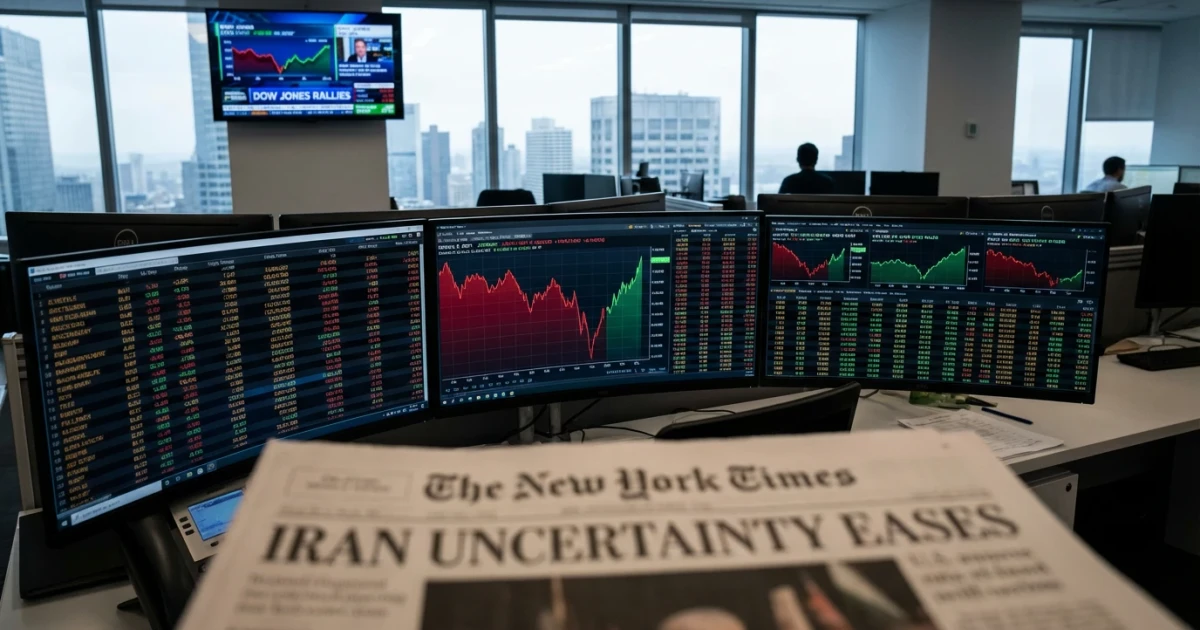
The Dow Jones Industrial Average staged a late comeback Friday after a sharp sell-off, as investor sentiment shifted on reports that former President Trump is considering steps to wind down the ongoing conflict with Iran. The rebound follows a period of heightened market volatility, with the Dow Jones and Nasdaq approaching correction territory amid concerns about the economic fallout of the Iran war.
Market Volatility Follows Geopolitical Tensions
Stocks opened Friday on a negative note, extending recent losses tied to the escalation of the Iran conflict. The Dow and Nasdaq suffered steep declines in early trading, reflecting investor anxiety over the potential economic ramifications and uncertainty in global markets. According to Investor's Business Daily, the session saw the Dow and Nasdaq each come close to correction levels, typically defined as a drop of at least 10% from recent highs. This volatility was mirrored in Dow Jones futures trading, where swings highlighted shifting investor sentiment throughout the day.
- Stocks broadly fell in the morning session, led by shares in sectors most sensitive to geopolitical risk.
- The Dow Jones neared correction territory before mounting a recovery.
- Market participants cited energy prices and global supply chain concerns as critical factors driving the sell-off.
Trump's Statement Sparks Late-Session Recovery
As the trading day progressed, reports emerged that former President Trump was considering options to wind down the Iran war, shifting the market's tone. The potential de-escalation eased fears of a prolonged conflict and its possible drag on the economy. This shift in outlook prompted a wave of late buying, allowing the Dow Jones to recoup much of its earlier losses by the market close.
While details of the plan remain unclear, the prospect of diplomatic efforts or a reduction in military activity provided relief to investors wary of further volatility. The late-session rally underscores the market's sensitivity to geopolitical headlines and the pivotal role political decisions play in shaping economic expectations.
Broader Economic Concerns Remain
Despite the rebound, analysts cautioned that uncertainty persists. The ongoing conflict has already contributed to increased market volatility, with sectors like energy and industrials experiencing outsized moves. According to data from Statista, the Dow Jones has seen above-average daily swings during the current geopolitical crisis.
Broader economic indicators, such as the latest employment statistics and GDP growth figures, will be closely watched in the coming weeks for signs of war-related economic stress. Market strategists noted that while Friday's late rally was a positive signal, sustained stability will depend on concrete diplomatic progress and clarity on U.S. foreign policy.
What Investors Should Watch Next
With the situation evolving, investors are advised to monitor both geopolitical developments and key economic releases. The market's recent swings highlight the importance of diversification and risk management during periods of heightened uncertainty. For those tracking the Dow's performance, historical data and official records offer valuable context for understanding the current volatility relative to past market corrections.
As diplomatic efforts continue, the market's next moves will likely depend on tangible progress toward ending the Iran conflict and the broader implications for global economic stability.