Business
Dow rises to record as traders await Warsh's first Fed decision
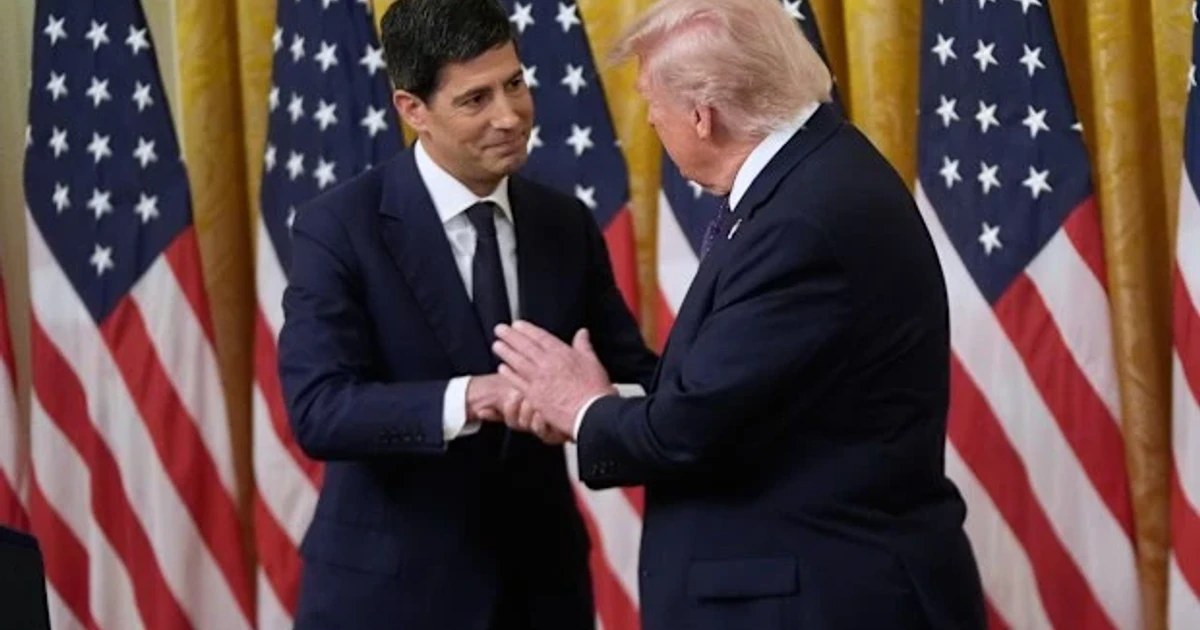
Wall Street’s rally kept grinding higher even as oil ticked up and investors waited for Kevin Warsh’s first Federal Reserve decision, a split-screen that underscored the gap between market confidence and household anxiety. The Dow’s record run is helping retirement accounts on paper, but the next move from the Fed could matter far more for mortgage rates, credit card bills and the price at the pump.
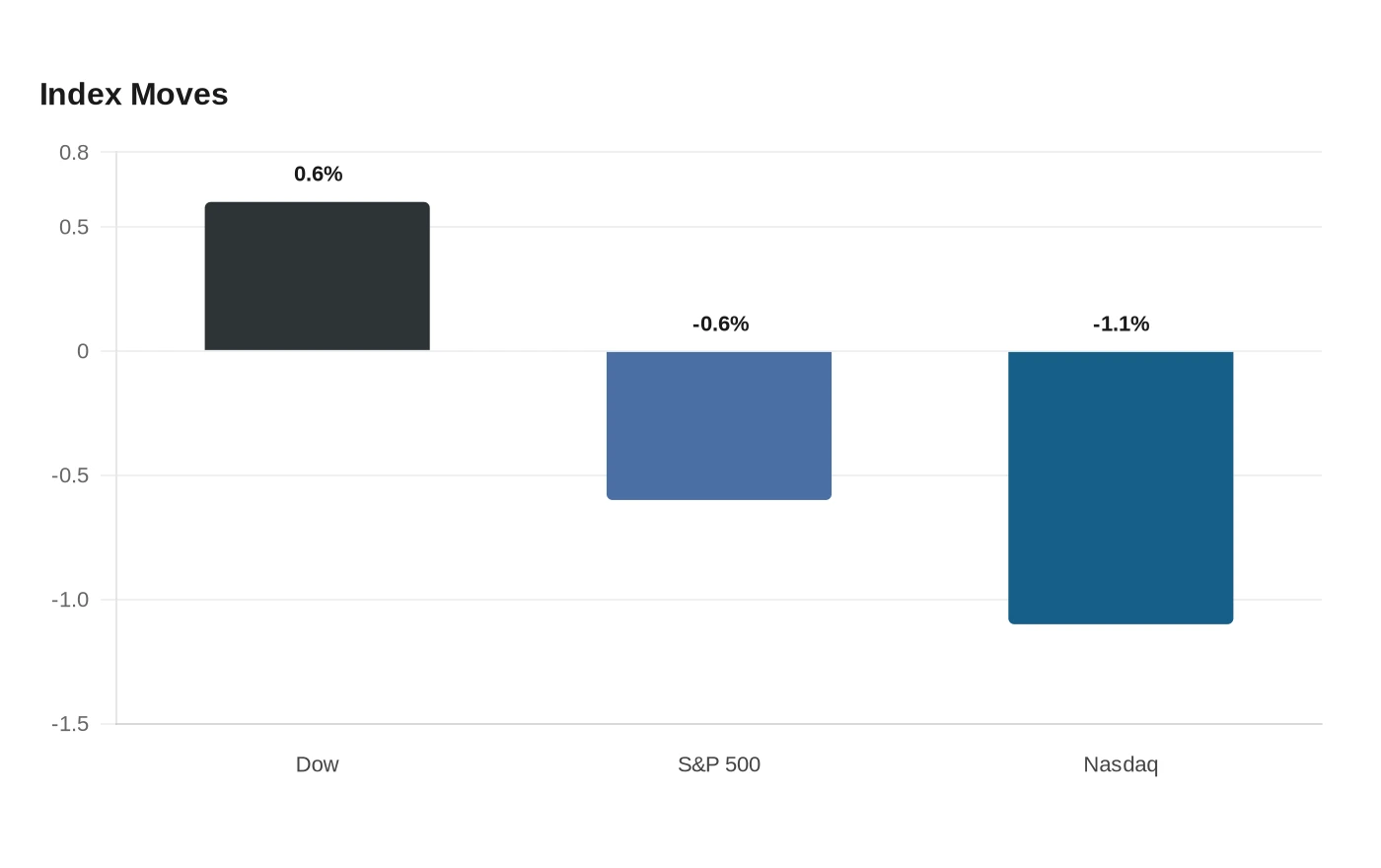
The Dow Jones Industrial Average closed at 51,671.03 on Monday, June 15, after gaining 468.77 points, or 0.92%, for a record finish. By Tuesday, June 16, it rose about 0.6% to another record, while the S&P 500 fell 0.6% and the Nasdaq Composite dropped 1.1%. Chip stocks helped drag tech lower, even as SpaceX climbed for a third straight day after its public debut and briefly surpassed Amazon in market value during the session.
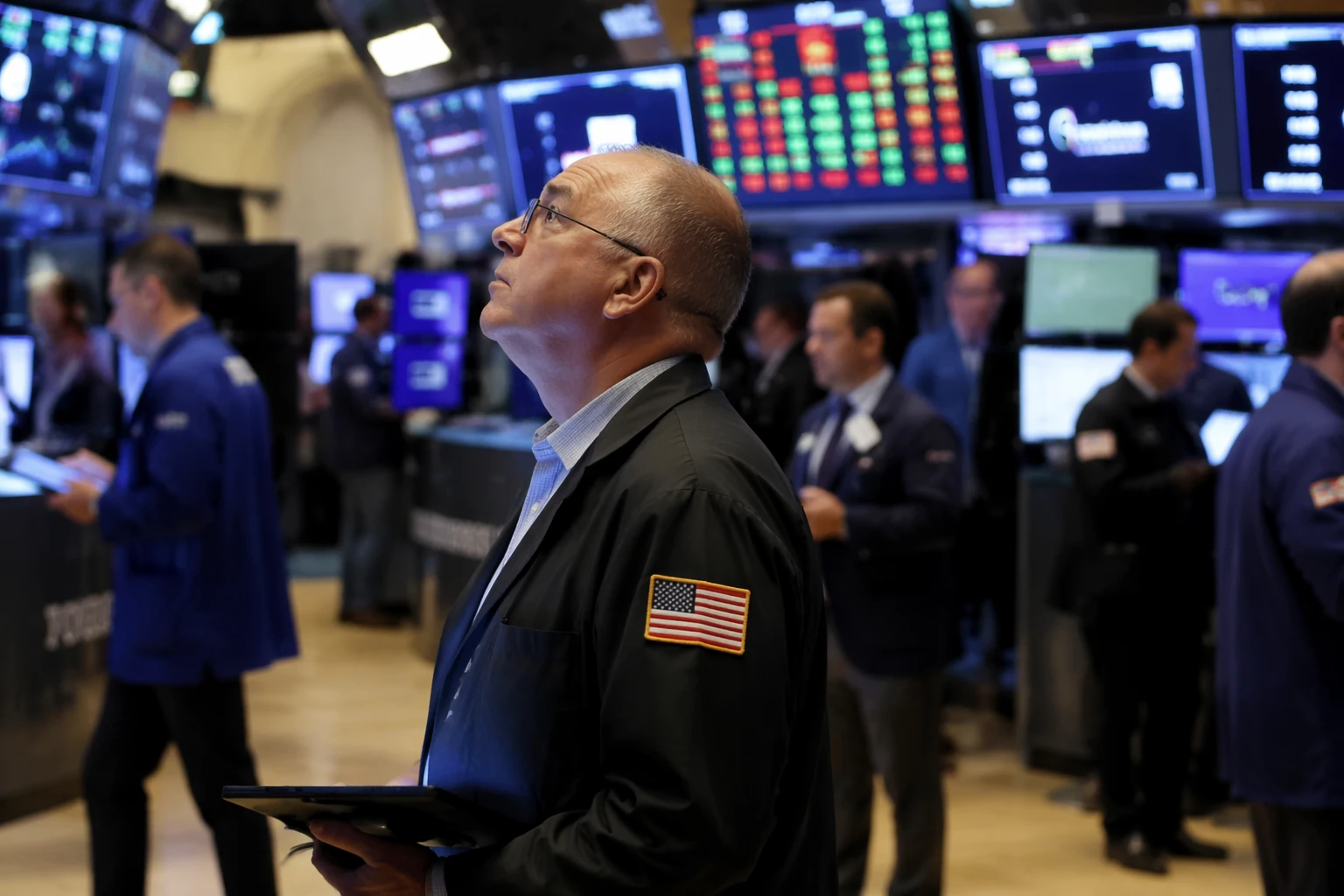
The central event comes Wednesday, June 17, when the Federal Open Market Committee is scheduled to release its policy statement at 2 p.m. Eastern, with Kevin Warsh’s first press conference as chair typically following at 2:30 p.m. Eastern. This is the Fed’s fourth meeting of 2026, and Warsh took the post after Senate confirmation on May 13. Markets broadly expect policymakers to leave the federal funds rate unchanged, but traders are watching for any shift in the statement or the dot plot that could hint at rate hikes later this year.
That scrutiny comes against a volatile energy backdrop. Oil prices moved higher as traders weighed whether the Strait of Hormuz would truly reopen quickly after U.S. officials said commercial traffic could resume without tolls by Friday. Other warnings suggested shipping could take months to normalize, keeping pressure on energy markets and feeding inflation concerns. Recent price reports have run hot, and higher fuel costs can work their way into everything from shipping and groceries to the rates consumers pay on variable-rate debt.

The pressure is not limited to the United States. The Bank of Japan raised its benchmark rate to a 31-year high on Tuesday, a reminder that central banks are still fighting price pressure globally. In the United States, any sign that the Fed is dropping its easing bias would reinforce the view that policy is drifting toward tighter conditions later in 2026. For households, that means the day’s record on Wall Street may matter less than whether borrowing costs stay elevated and whether gasoline remains expensive through the summer.
Sources
- [1]news.google.com
- [2]cnbc.com
- [3]finance.yahoo.com
- [4]forbes.com