Business
Dow Slips as Iran Tensions Drive Oil Price Surge
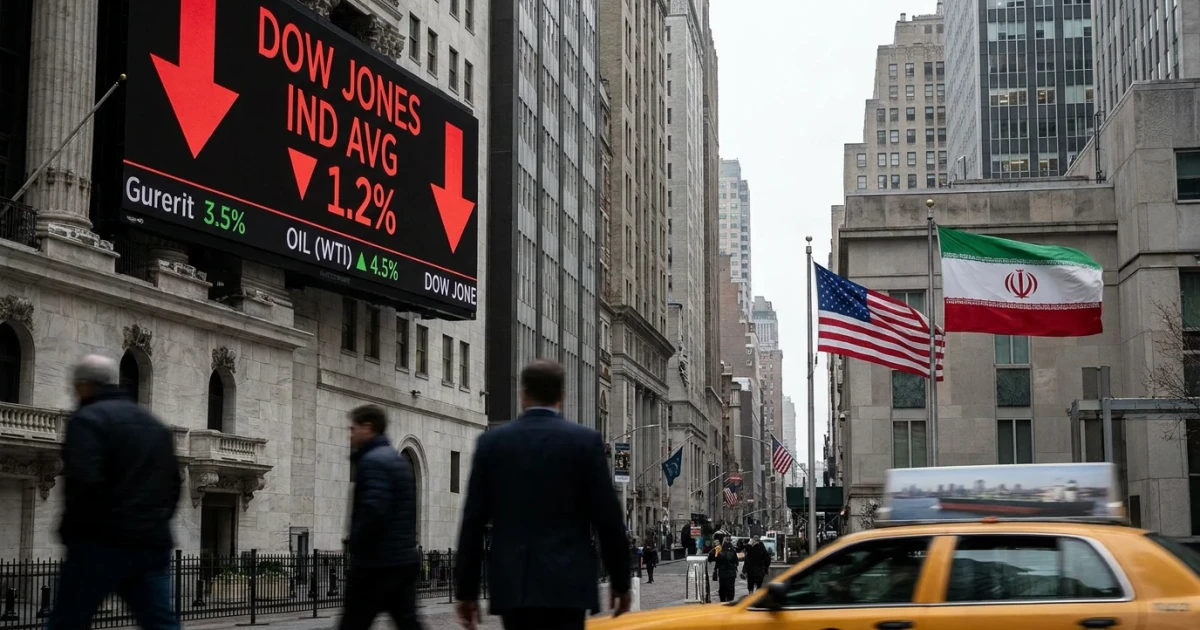
U.S. stock markets faced renewed volatility as the Dow Jones Industrial Average dropped 150 points on Monday, following escalating tensions between the United States and Iran. The downturn coincided with a persistent rally in oil prices, prompting investors to reassess risk and the outlook for global economic stability, according to live coverage from Investor's Business Daily.
Heightened Geopolitical Risks Shake Markets
News of increased tensions between the U.S. and Iran spurred a risk-off sentiment across financial markets. The Dow was particularly affected, with futures falling 150 points in early trading. The decline reflected not only concerns about potential military escalation but also anxiety over energy supply disruptions and their impact on corporate profits. This movement can be tracked in detail via historical Dow Jones data.
Oil Prices Continue Upward Trend
The oil market responded swiftly to geopolitical developments, with prices climbing sharply as traders anticipated possible interruptions in supply. The rally in crude oil was driven by fears that worsening U.S.-Iran relations could threaten shipments from the Persian Gulf, a key global energy corridor. This surge is visible in daily and long-term charts, including the 70-year crude oil price history and official WTI crude oil price records from the Federal Reserve.
- Oil futures rose amid speculation over supply chain disruptions
- Energy stocks outperformed other sectors as oil prices soared
- Traders sought safety in defensive assets, shifting portfolios accordingly
Investor Reaction and Market Dynamics
The abrupt moves in both equities and commodities underscored the sensitivity of global markets to geopolitical events. Investors Business Daily noted that the Dow's 150-point drop was largely attributed to concerns over the consequences of U.S.-Iran tensions for corporate earnings and broader economic growth. This response was mirrored in other major indexes, with volatility evident in futures and options trading. For readers seeking detailed breakdowns, the Nasdaq stock screener offers real-time sector performance and individual stock movement.
Energy Sector Outpaces Broader Market
As oil prices surged, energy companies saw their shares rise—contrasting with losses in consumer, technology, and financial sectors. This divergence highlighted the immediate impact of geopolitical risk on different areas of the market. Traders also monitored futures statistics for additional context, available through Cboe Futures Market Statistics.
Economic Implications and Outlook
Market analysts warn that continued tension between the U.S. and Iran could drive further volatility. The rally in oil prices, if sustained, may increase costs for businesses and consumers, potentially dampening economic growth. For a comprehensive look at spot price developments, the U.S. Energy Information Administration's spot price tables provide daily updates on crude and petroleum products.
Looking ahead, investors are expected to keep a close watch on diplomatic developments and energy markets. With the Dow's sharp decline and oil's continued rally, the interplay between geopolitical risk and economic fundamentals remains a crucial driver for global financial trends.
For ongoing updates on the employment and economic context impacting market movements, readers may consult the Bureau of Labor Statistics Employment Situation Summary.
Conclusion
The drop in the Dow and spike in oil prices underscore the interconnectedness of geopolitical events and financial markets. Investors will be monitoring the situation closely, weighing the risks of further escalation and its potential impact on corporate earnings and economic growth. Continued volatility is likely if tensions persist, with defensive strategies and energy sector plays at the forefront of market activity.