Health
DR Congo bans public gatherings in Kinshasa amid Ebola outbreak
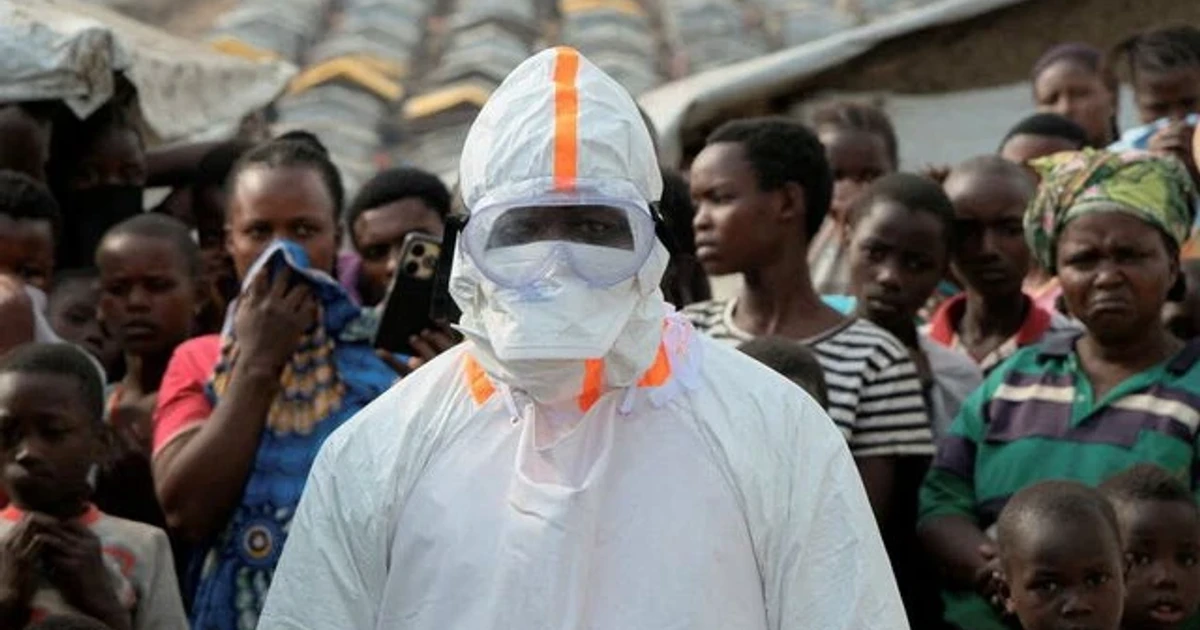
The Democratic Republic of Congo banned public gatherings in Kinshasa and three other provinces on June 27 to keep Ebola from reaching the capital. The interior ministry order covered Tshopo, Haut-Uele and Bas-Uele as well, even though none of the four areas had recorded cases at the time. The measure was meant to reduce transmission risk because those provinces sit close to affected regions, and local authorities were told to monitor anyone with symptoms and file daily surveillance reports.
The restrictions landed days before a July 8 protest in Kinshasa against constitutional reform, sharpening opposition accusations that the health emergency was being used to constrain dissent. Prince Epenge, a spokesperson for the Lamuka opposition coalition, pledged the rally would go ahead despite the ban. The dispute followed a June 12 protest that police dispersed with tear gas and live ammunition, leaving one protester dead and 38 injured. The U.N. Human Rights Office counted one protester dead and 38 injured after police dispersed a June 12 protest with tear gas and live ammunition.
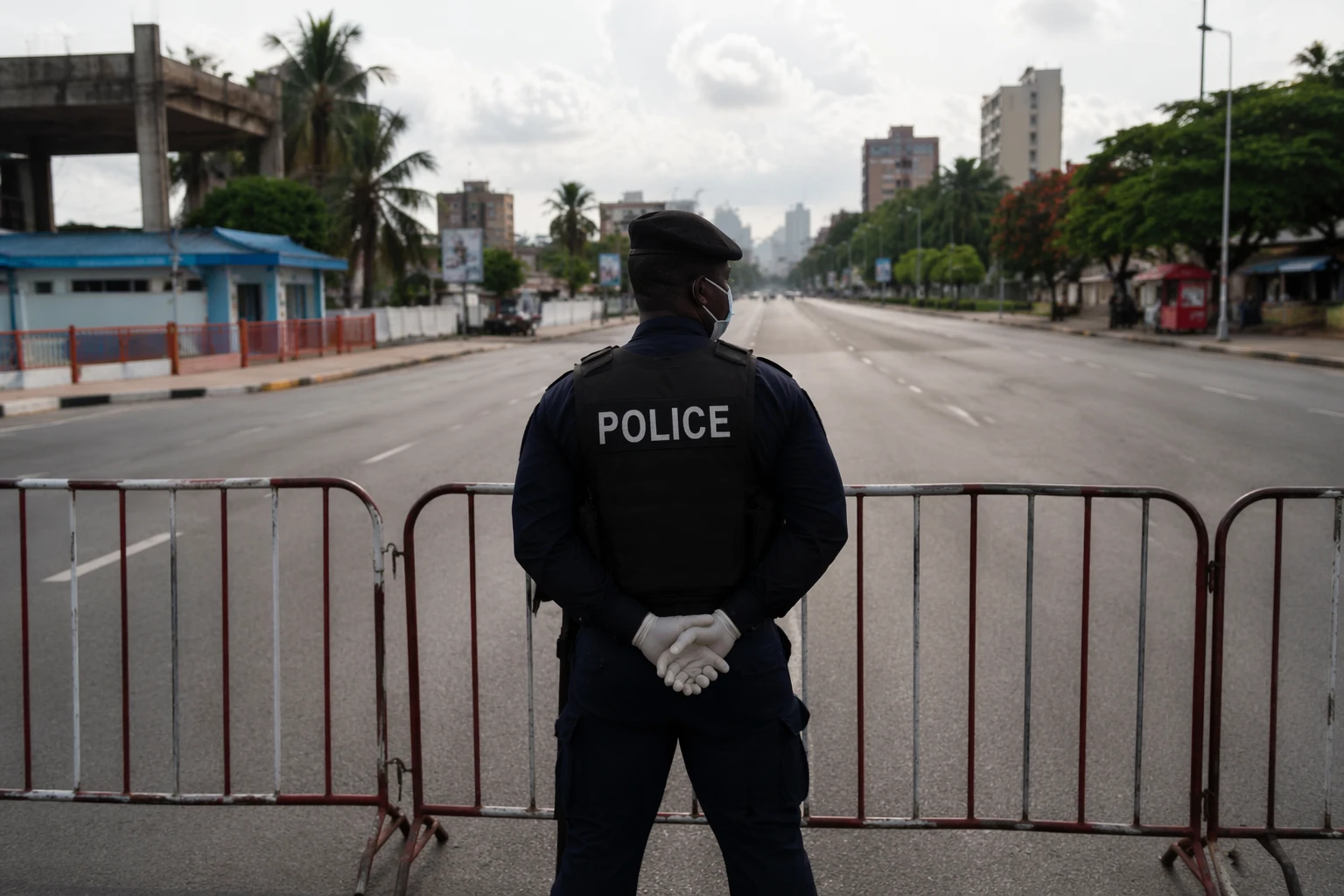
The outbreak has already spread across eastern Congo, where government data released Monday put the toll at 1,274 infections and 360 deaths in Ituri, North Kivu and South Kivu. The World Health Organization classifies the disease as Bundibugyo virus, not Ebola Zaire, and Congo is facing its 17th Ebola outbreak since the virus was first identified in 1976. WHO first received an alert on May 5 about an unknown high-mortality illness in Mongbwalu Health Zone in Ituri Province, and on May 16 Ituri alone had eight laboratory-confirmed cases, 246 suspected cases and 80 suspected deaths.
WHO and the health ministries of Congo and Uganda declared the outbreak on May 15, and WHO classified it as a public health emergency of international concern on May 17. There is no vaccine or specific treatment for Bundibugyo virus itself, and WHO has been scaling up surveillance, contact tracing, clinical preparedness, supplies and community engagement in a region marked by humanitarian crisis, insecurity and heavy population movement. WHO's confirmed case counts rose from 134 across Congo and Uganda on May 29 to 515 in Congo on June 6, 676 on June 10 and 896 on June 17, while Congo's death toll reached 232. By June 19, 75 health workers in Congo had been infected and 17 had died.
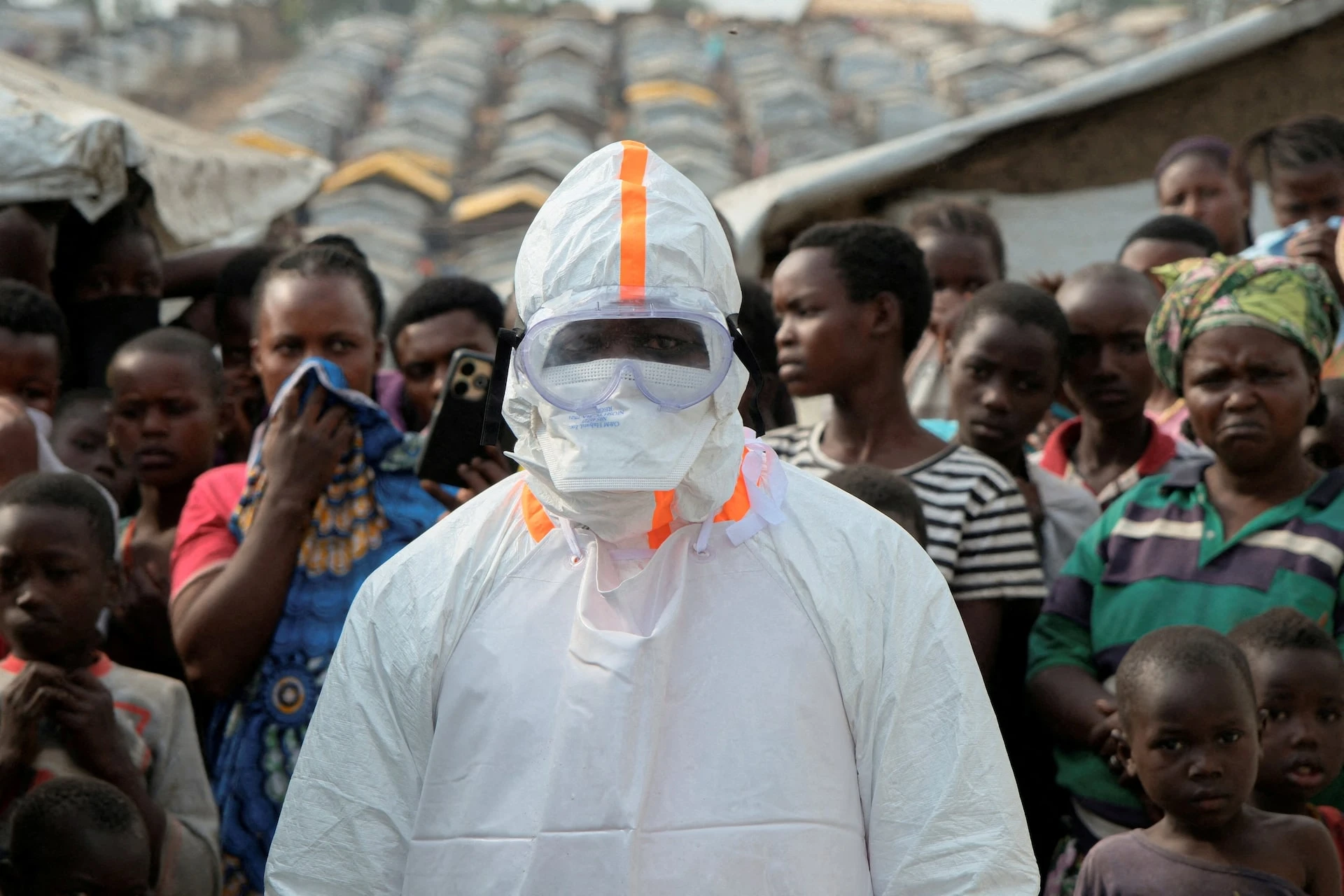
In Goma, the mayor banned public gatherings and demonstrations, including sports celebrations, after crowds poured into the streets to mark Congo's qualification for the World Cup knockout round.
Sources
- [1]usnews.com
- [2]who.int
- [3]afro.who.int
- [4]whtc.com
- [5]yahoo.com
- [6]reutersconnect.com