Health
DR Congo reports record one-day surge in Ebola cases
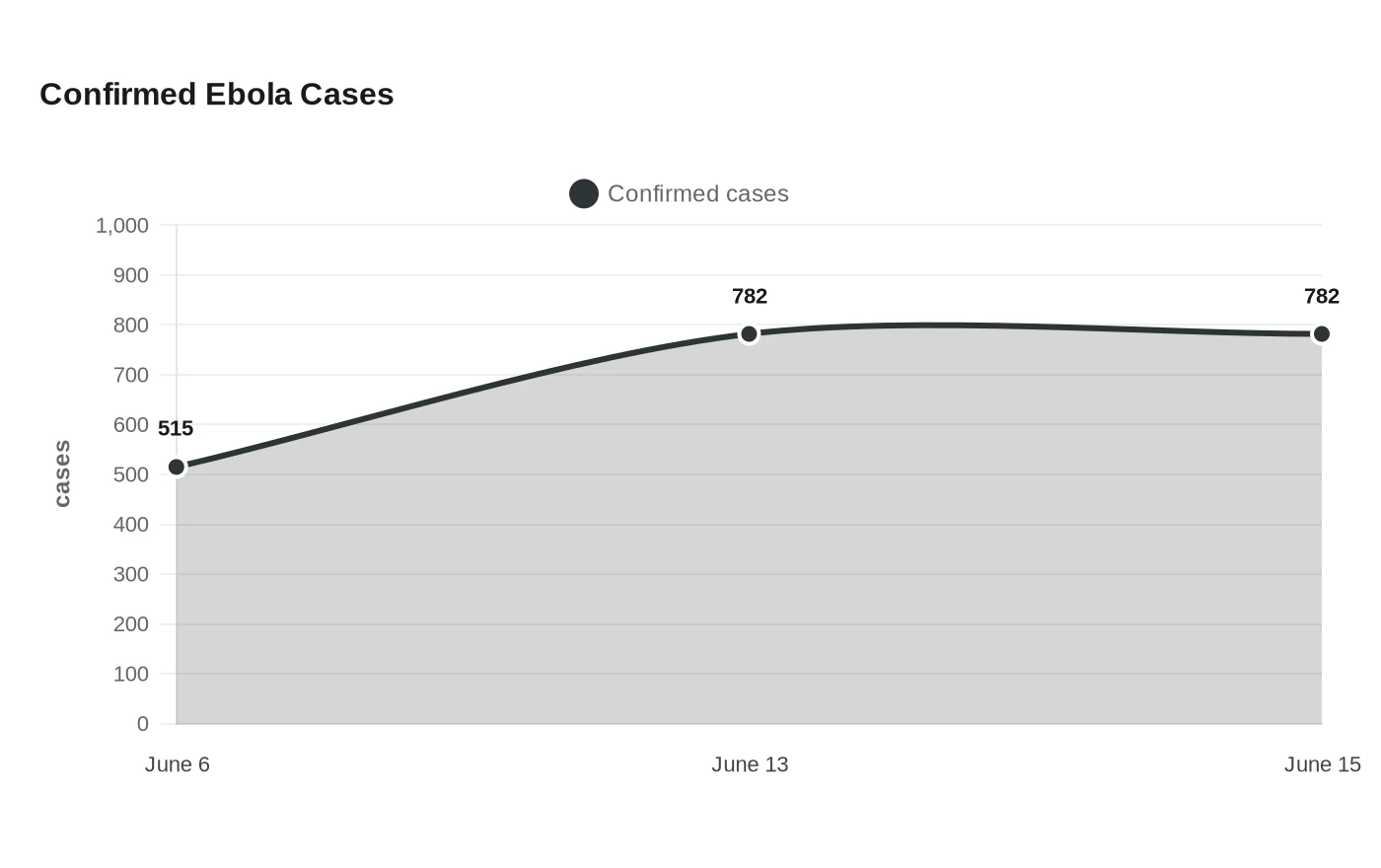
A record one-day jump in Ebola cases in eastern Congo is a warning that the outbreak is still outrunning the response. Health officials said 72 new confirmed infections were reported in 24 hours on June 13, lifting the total to 782 confirmed cases and 181 deaths, including 29 new deaths.
The outbreak was first confirmed on May 15 in Ituri province and is being driven by the Bundibugyo strain of Ebola, for which there is no approved vaccine or specific treatment. That matters because the latest rise is not just a count of infections, it is a measure of how hard it remains to find chains of transmission fast enough to stop them.
By June 6, the World Health Organization said 515 confirmed cases and 91 deaths had been recorded in the Democratic Republic of Congo, with 25 health zones affected across Ituri, North Kivu and South Kivu. By June 15, the European Centre for Disease Prevention and Control said the DRC had reached 782 confirmed cases, 181 deaths and 359 people hospitalized in isolation, underscoring how quickly the outbreak has expanded since the first alert.
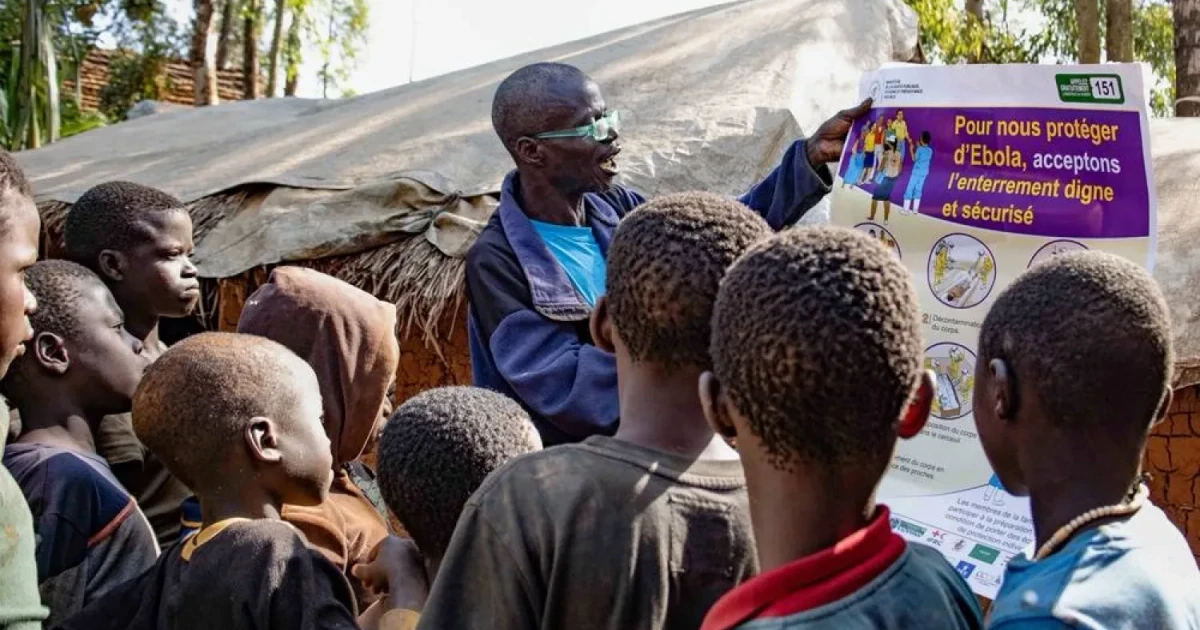
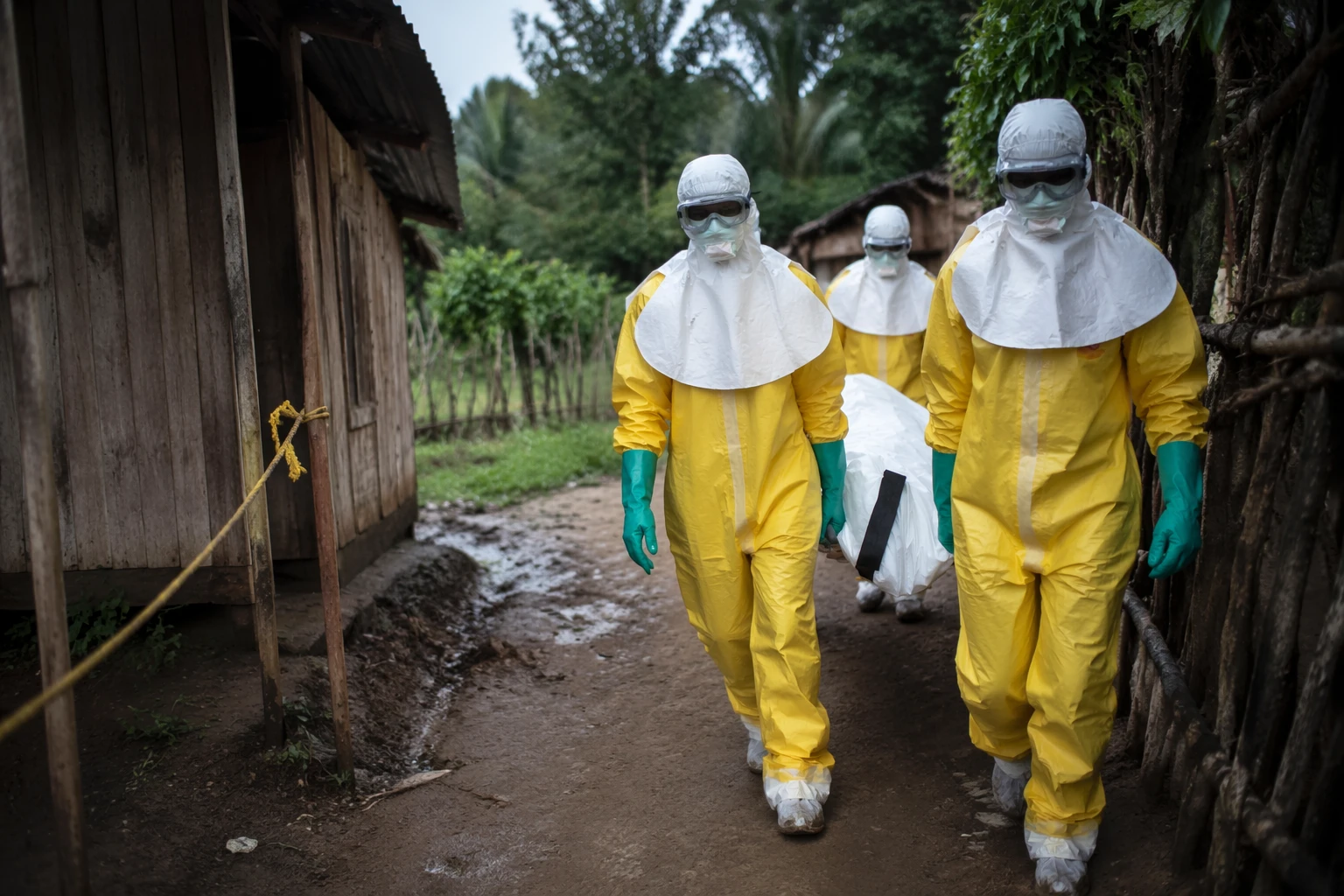
Officials and aid groups have tied the spread to the realities of eastern Congo, where insecurity, population displacement, mining-related movement and cross-border travel make contact tracing difficult and slow safe burials. WHO said the outbreak was unfolding in a humanitarian crisis in a remote and densely populated area, and said community engagement would be central to slowing transmission. Tedros Adhanom Ghebreyesus said on June 3 that WHO was "catching up" but still faced serious problems with testing, surveillance, vaccine development and community trust.
WHO also said the outbreak likely had a head start because it went undetected for weeks before it was declared. The agency said part of the rise in confirmed cases reflected expanded testing and the clearing of a backlog of samples, but UN officials warned that the true scale was probably larger than what had been detected, with new cases being identified in new health zones almost daily. UN agencies also warned that children could be increasingly affected as household transmission rises, noting that more than half of children under five in Ituri are chronically malnourished and more than one in five are zero-dose children.
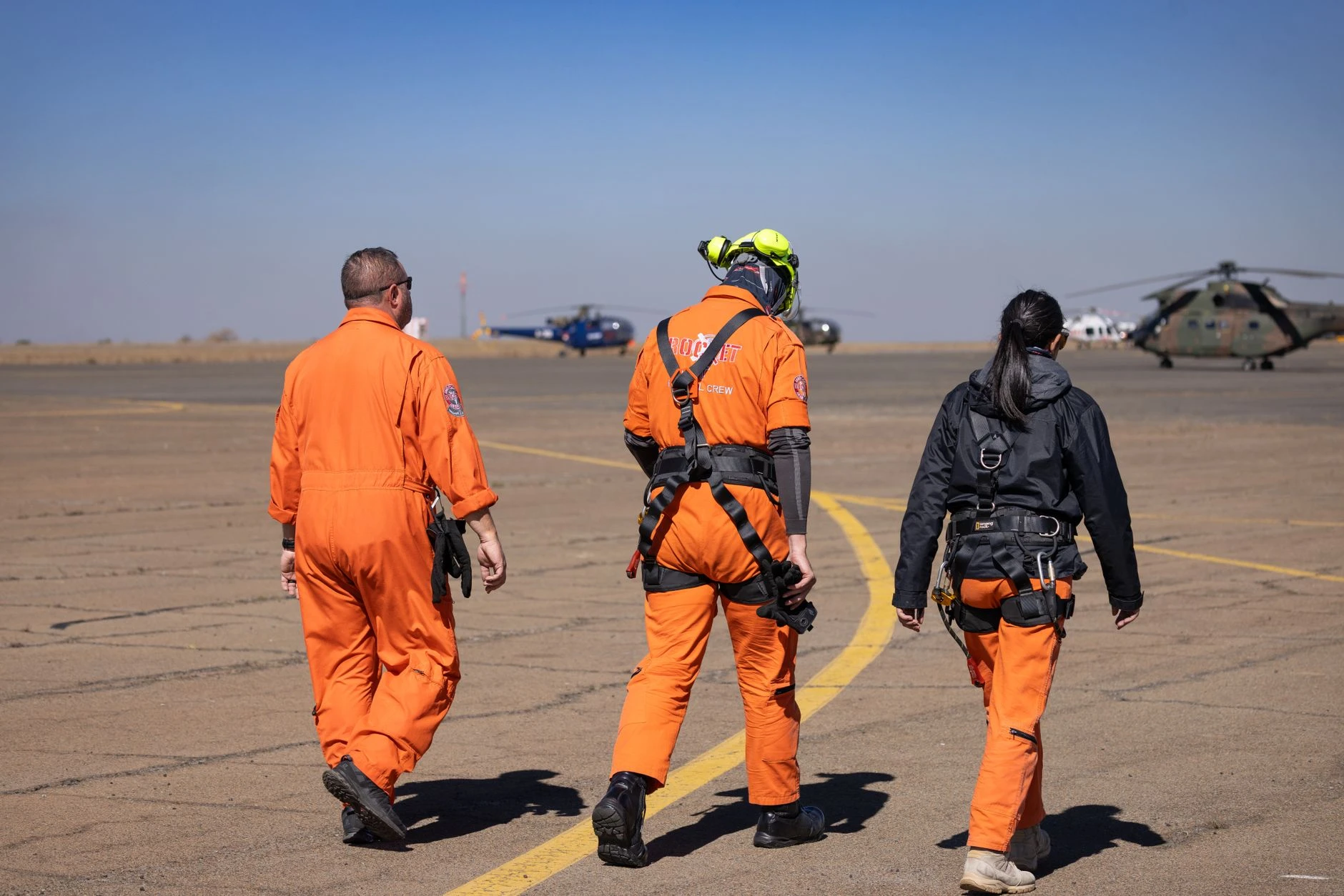
The response is now regional. WHO said Uganda had reported 19 confirmed cases, including two deaths and one probable death, with transmission epidemiologically linked to Congo. The CDC said the outbreak is the 17th recorded Ebola outbreak in the DRC since 1976 and said the risk to the United States remains low, with no U.S. cases confirmed. WHO and Africa CDC launched a joint preparedness plan on June 5 seeking $518 million, while the International Rescue Committee warned that protective equipment could run out within days. Progress will be measured not by reassurance, but by whether tracing rises well above the current roughly 45 percent follow-up rate toward more than 90 percent, whether new health zones stop appearing, and whether the numbers in isolation begin to fall.
Sources
- [1]abcnews.com
- [2]who.int
- [3]cdc.gov
- [4]news.un.org
- [5]rescue.org
- [6]ecdc.europa.eu
- [7]npr.org
- [8]reuters.com