Politics
Dr. Shah eyes Senate bid after narrow Maine governor primary loss
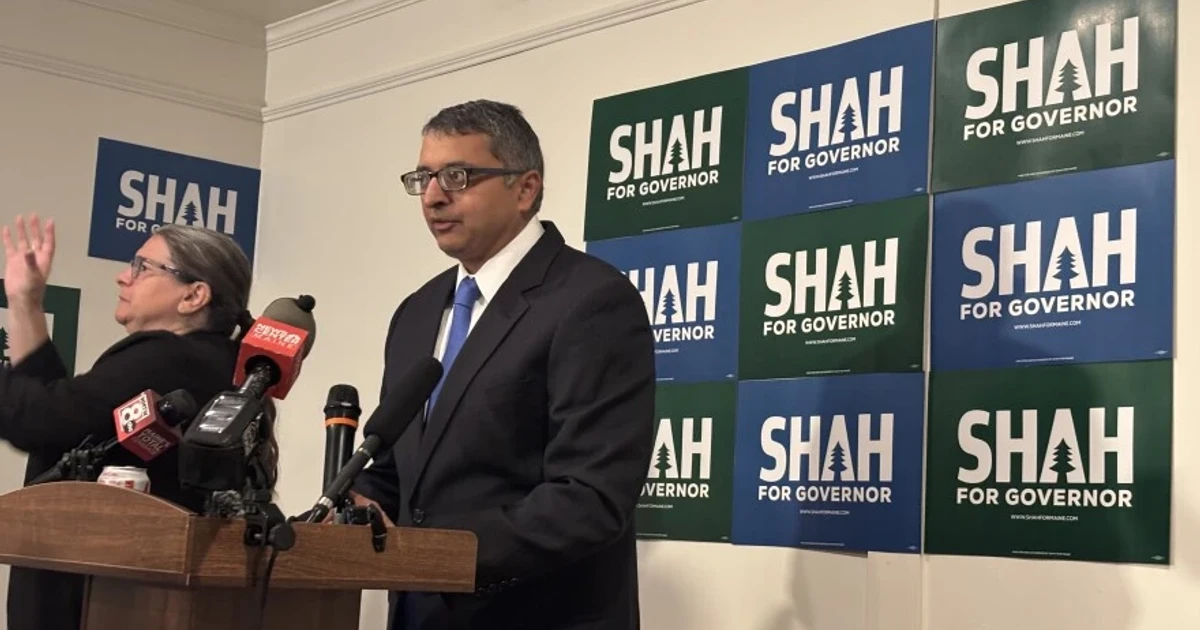
Dr. Nirav Shah, who led Maine’s coronavirus response, finished second in the state’s Democratic gubernatorial primary and quickly emerged as a possible fallback in the party’s unsettled Senate race. His run for governor showed both his reach and his limits: he led on election night, then lost after ranked-choice tabulation to Hannah Pingree.
The Maine Secretary of State’s final summary gave Shah 58,606 first-round votes and 86,950 in the final round. Pingree won the nomination with 111,750 final-round votes. The top four Democratic candidates were separated by only about 13,500 first-choice votes, a close margin that underscored how little room there was for any one contender to dominate the field.
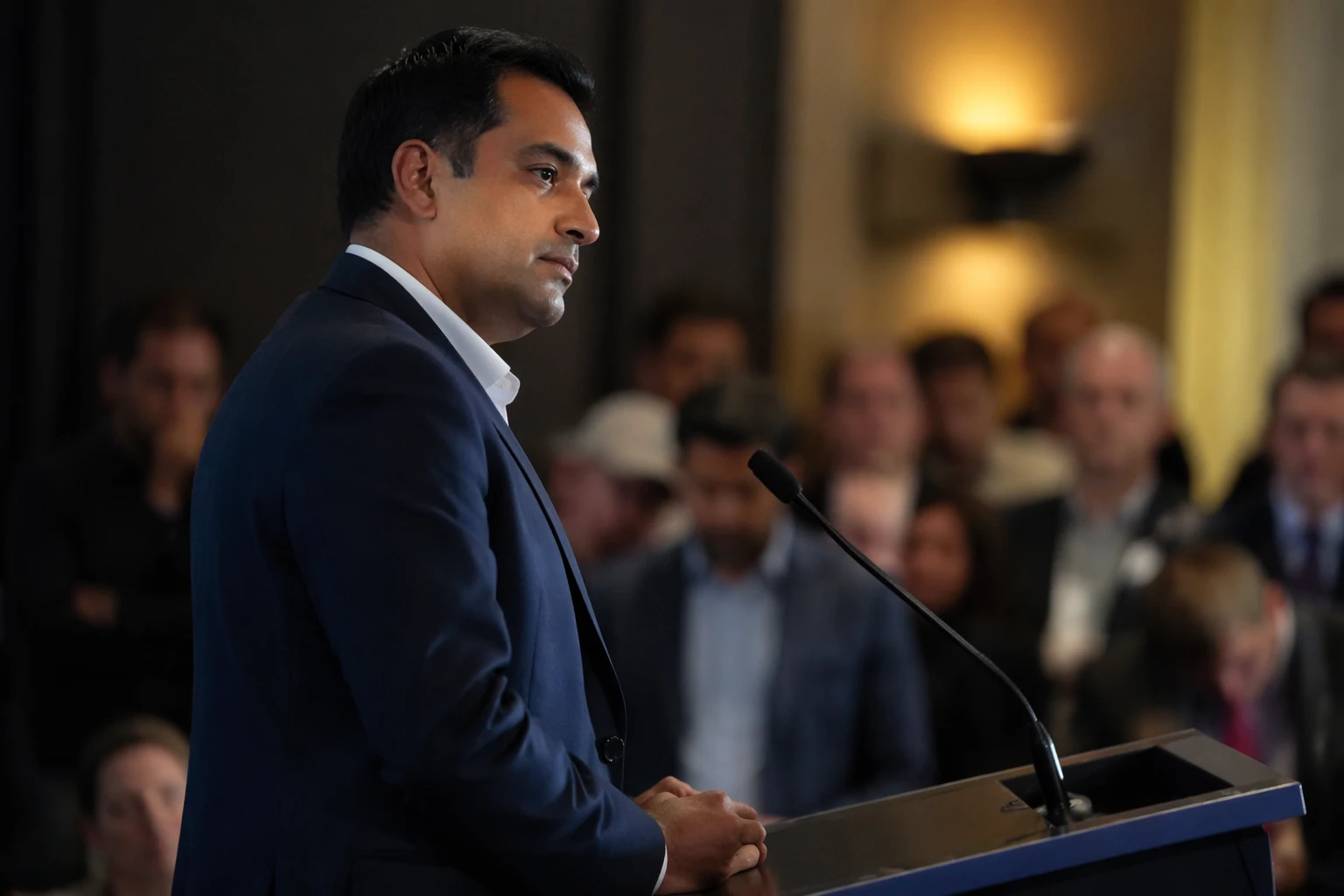
Shah’s profile in Maine politics was built during the pandemic, when he served as the state’s public health chief. That résumé made him one of the most recognizable Democrats in Maine and gave him an executive record that could appeal to voters looking for steadiness and competence in a federal race against Republican Sen. Susan Collins. It also leaves him with a narrower path than in a governor’s contest: a Senate campaign would force him to translate public-health credibility into a broader statewide political coalition.
That question has become more urgent as Democrats search for a replacement for Graham Platner, whose withdrawal opened a problem under Maine election law. Platner left the race after a sexual-assault allegation that he denied, and his departure came less than 70 days before the general election, the window in which ballot-removal or ballot-amendment procedures can be triggered. Maine Democrats were preparing an in-person convention of about 600 people to choose a replacement nominee if his withdrawal is finalized.

Shah has already been making fundraising calls, and he said the early outreach he has made has been met with a “high degree of enthusiasm,” a sign that donors and party figures are at least willing to listen. The compressed calendar, however, means any substitute would have to build a statewide Senate operation in days, not weeks, while also contending with a Republican incumbent who has repeatedly survived difficult Maine cycles.
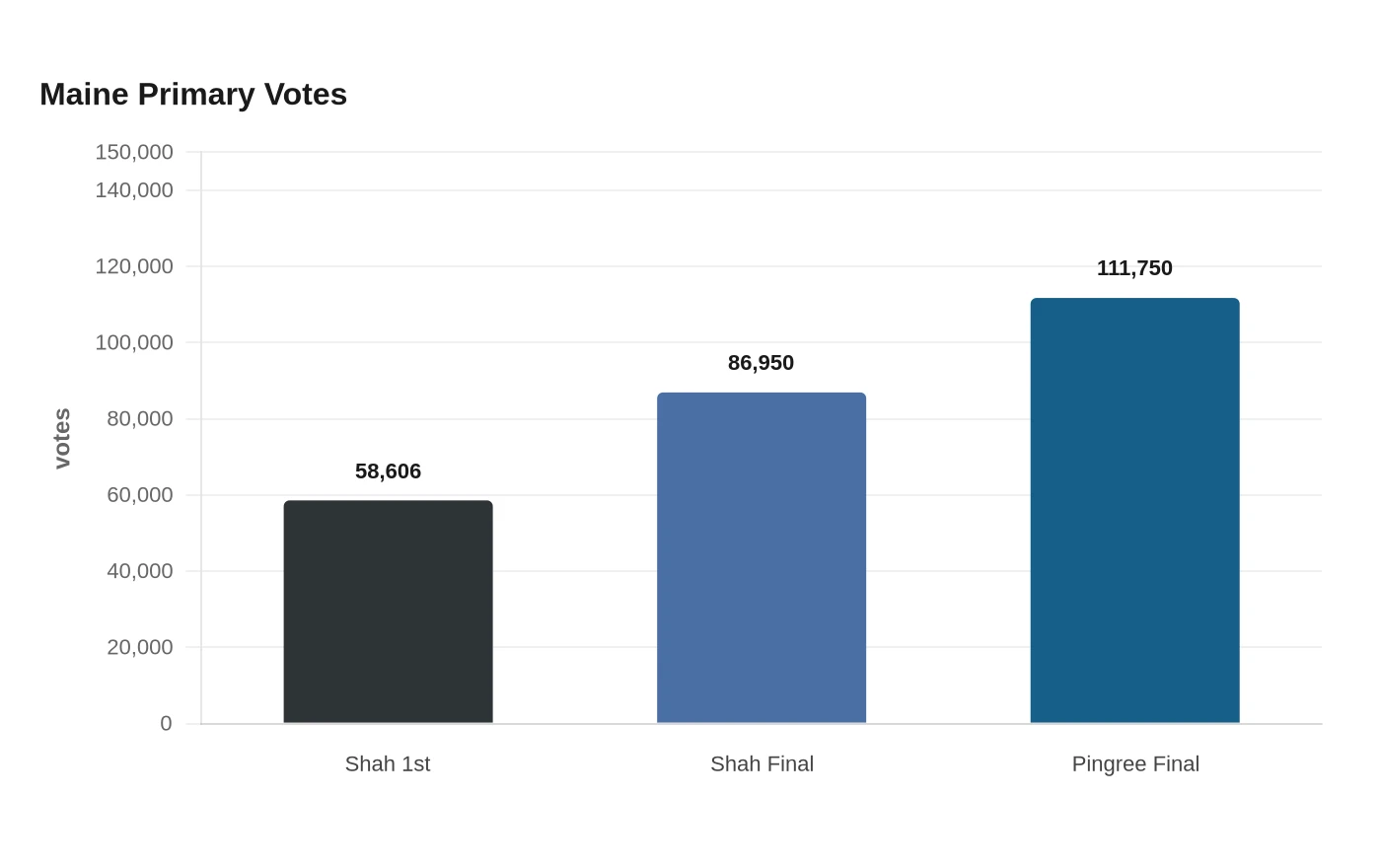
For Shah, the governor’s race proved he could compete in a crowded statewide field, but not that he could clear it. The final count left him with a strong showing and a well-known name, yet still short of the nomination. Whether that public-health brand can now be converted into Senate-level viability may be the next test for Maine Democrats.
Sources
- [1]nytimes.com
- [2]maine.gov
- [3]pressherald.com
- [4]nbcnews.com
- [5]legislature.maine.gov