Lifestyle
Dress Code Violations Lead to Costly Fines for Tourists in Europe
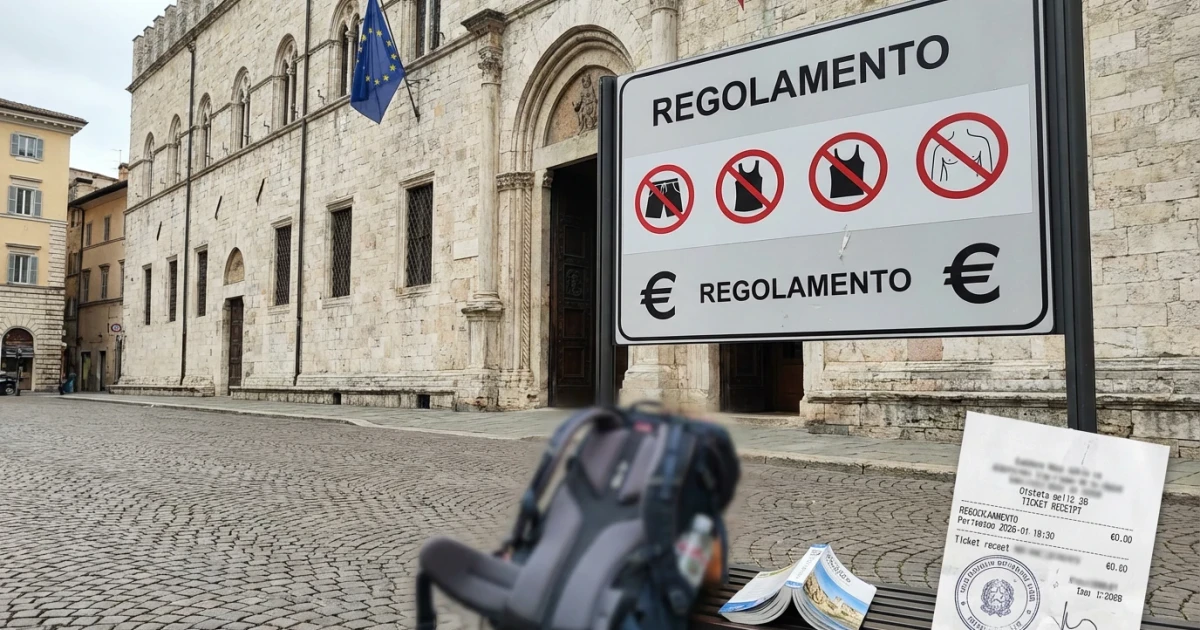
American tourists are being cautioned to pay close attention to local dress codes in popular European destinations, as authorities ramp up enforcement and issue fines that can reach up to $1,800 for violations. The warning follows a rising number of reports that travelers are being penalized for inappropriate attire in some of Europe’s most visited cities and cultural sites.
Understanding the Dress Code Rules in Europe’s Top Destinations
Major European nations such as Italy, Spain, and Greece are renowned for their historic sites, picturesque beaches, and vibrant cities. However, these destinations also have strict dress code regulations in certain areas, especially in religious, cultural, and government buildings. According to official guidance from Italian and Spanish tourist authorities, visitors must dress modestly when entering cathedrals, churches, and even some urban centers during the summer months.
- In Italy, exposed shoulders and knees are not permitted in many churches and historical sites, with some cities imposing fines for tourists found wearing swimwear or walking shirtless in public areas.
- Spain has introduced local regulations in regions like Barcelona and Mallorca, where wearing swimwear away from the beach can result in fines up to €600 (roughly $650), while more severe dress code violations in protected areas can lead to even higher penalties.
- In Greece, the Greek National Tourism Organization advises visitors to cover arms and legs when visiting monasteries and to respect posted signs about appropriate clothing at archaeological sites.
Why Are Dress Code Fines Increasing?
The surge in fines coincides with a post-pandemic tourism boom. According to Eurostat’s tourism data, Europe has seen a dramatic recovery in visitor numbers, with millions of Americans among the arrivals. As crowds return to UNESCO World Heritage sites and other sensitive locations, local authorities have renewed efforts to maintain decorum and protect cultural heritage.
Misunderstandings often occur because American norms for casual dress, especially in warm weather, can differ from European expectations. While shorts, tank tops, and swimwear are common in U.S. tourist spots, these items are frequently prohibited in historic city centers or sacred sites abroad.
What Tourists Need to Know Before Traveling
Travel experts and official tourism boards recommend that visitors:
- Research local regulations before departure using official resources like the Italian Dress Code portal, Spain’s cultural guidelines, and Greece’s visitor tips.
- Carry modest clothing—such as shawls, scarves, or long pants—to cover up when entering churches, museums, or government buildings.
- Obey posted signs about dress codes, even in tourist-heavy areas, to avoid on-the-spot fines.
- Be aware that fines can be issued by local police or security staff, and are often collected immediately or by mail to the address registered with your accommodation.
Financial Consequences and Tourist Reactions
The fines for dress code violations vary, but the most severe penalties, as reported by TheTravel, can reach $1,800 in certain high-profile destinations. These penalties are part of broader efforts to manage overtourism and preserve the character of historic neighborhoods, which are sometimes overwhelmed during peak season.
Some American tourists have expressed surprise at these strict rules, but local officials stress that regulations are clearly posted and are an important part of respecting local customs. The official tourism agencies of Italy, Spain, and Greece all provide detailed guidance to help travelers avoid costly mistakes.
Looking Ahead: Responsible Tourism
With international tourism numbers expected to rise further in 2026, travelers are encouraged to stay informed and respectful of local practices to ensure a positive experience abroad. Adhering to dress codes not only helps avoid fines but also demonstrates cultural sensitivity—something valued by hosts across Europe’s most popular destinations.
As enforcement becomes more consistent, experts suggest that a little preparation goes a long way in avoiding unpleasant surprises and making the most of a European holiday.