World
Drone Attack Halts Oil Exports at Major UAE Port
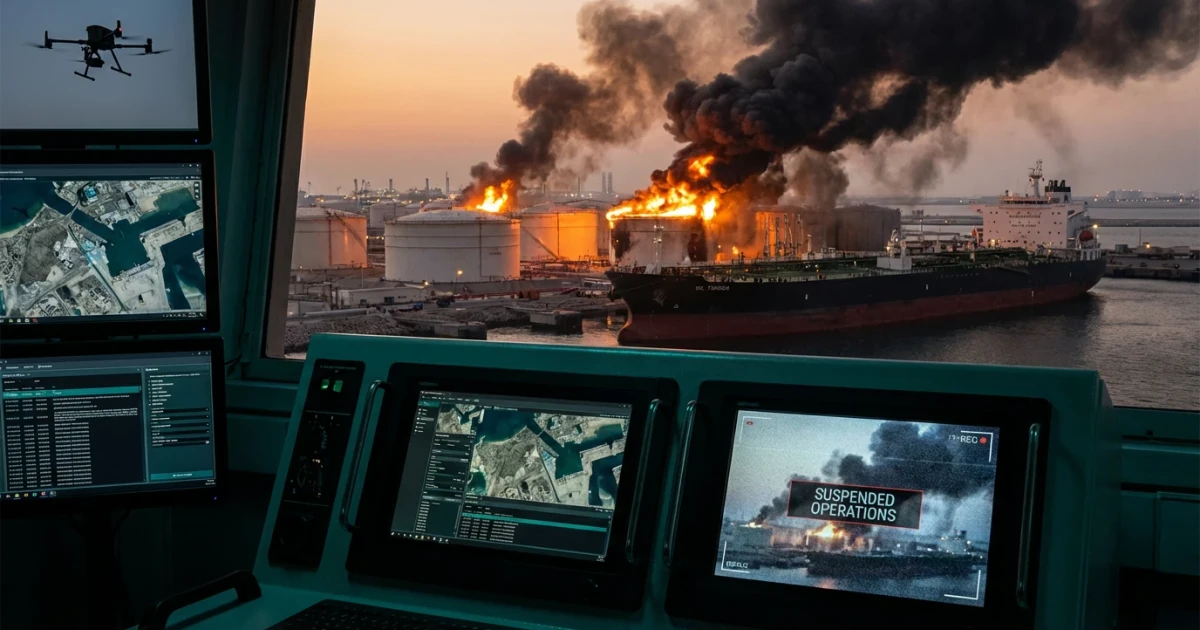
A drone attack targeting a major United Arab Emirates (UAE) port has led to the suspension of oil loadings, igniting a fire and intensifying concerns about energy security in the Gulf region. The incident marks the latest escalation in an already volatile environment for maritime and oil infrastructure in the Middle East, with potential ramifications for global energy markets and regional stability.
Attack Disrupts a Critical Energy Hub
The UAE is a top global oil exporter, with its ports serving as crucial conduits for crude shipments to international markets. According to Bloomberg, the drone strike caused a significant fire at one of the country’s key oil terminals, forcing an immediate suspension of loading operations as authorities worked to contain the damage and assess the situation.
- UAE ports handled hundreds of millions of tons of oil cargo in recent years, underlining their strategic importance.
- Suspension of oil loadings disrupts global supply chains and has the potential to impact oil prices and energy security worldwide.
Regional Tensions and Security Implications
The attack comes amid heightened tensions between Iran, the United States, and Gulf Arab states. As reported by Bloomberg, the incident coincided with US military actions targeting Iranian assets on Kharg Island, a key oil export hub for Iran. The proximity of these events has fueled speculation over whether the strike on the UAE port is linked to broader regional hostilities or retaliation amid ongoing conflict.
The International Maritime Organization’s records on maritime security incidents show a rising trend in attacks targeting critical infrastructure, including energy facilities, in the Gulf region. Recent years have seen increased use of drones and other asymmetric tactics, raising the threat level for oil producers and shipping companies.
Market and Strategic Impact
Immediate market reactions included volatility in oil prices, as traders assessed the potential for longer-term supply disruptions. The UAE’s oil sector is a key pillar of both the national economy and the Organization of the Petroleum Exporting Countries (OPEC). A protracted shutdown at one of its main ports could have outsized consequences for OPEC’s output commitments and energy markets globally.
The incident also highlights the vulnerability of major ports and terminals to emerging threats like drone warfare. Security analysts and international organizations have repeatedly warned that even well-defended facilities in the Gulf are not immune to technological attacks, which can bypass traditional defenses and cause outsized disruptions.
Response and Next Steps
UAE authorities responded swiftly, suspending oil loadings and launching investigations into the source and method of the attack. Emergency services worked to contain the fire, and security protocols were activated across other key energy infrastructure in the country.
Energy markets, shipping companies, and regional governments are likely to closely monitor the situation for further developments. The attack underscores the need for enhanced port security capabilities and increased international coordination to safeguard critical supply chains.
Looking Ahead
While the full extent of the damage and the timeline for resuming normal operations remain unclear, the drone attack serves as a stark reminder of the ongoing risks facing energy infrastructure in the Middle East. As the UAE and its partners assess the fallout, global markets and security agencies will be watching closely for any signs of escalation or further disruption in the region’s vital oil export network.