World
Drone attack on Panama-flagged ship kills crew member in Black Sea

A drone attack on a Panama-flagged merchant ship in the Black Sea killed one crew member and injured two others, an escalation that pushes civilian shipping deeper into a war zone already straining under weeks of attacks. One of the injured sailors was reported in serious condition, and the vessel kept moving after the strike, a reminder that even ships that remain seaworthy can become scenes of sudden death and disruption.
Panama’s Maritime Authority said the attack happened on Thursday, June 18, 2026, and was disclosed publicly on Friday, June 19. The authority said it had activated the relevant protocols and was maintaining contact with the parties involved, but it did not identify where the drone came from or who launched it. That uncertainty matters in a sea lane where commercial crews, insurers and port operators are now forced to price in the risk of a weapon that can reach far beyond a front line.
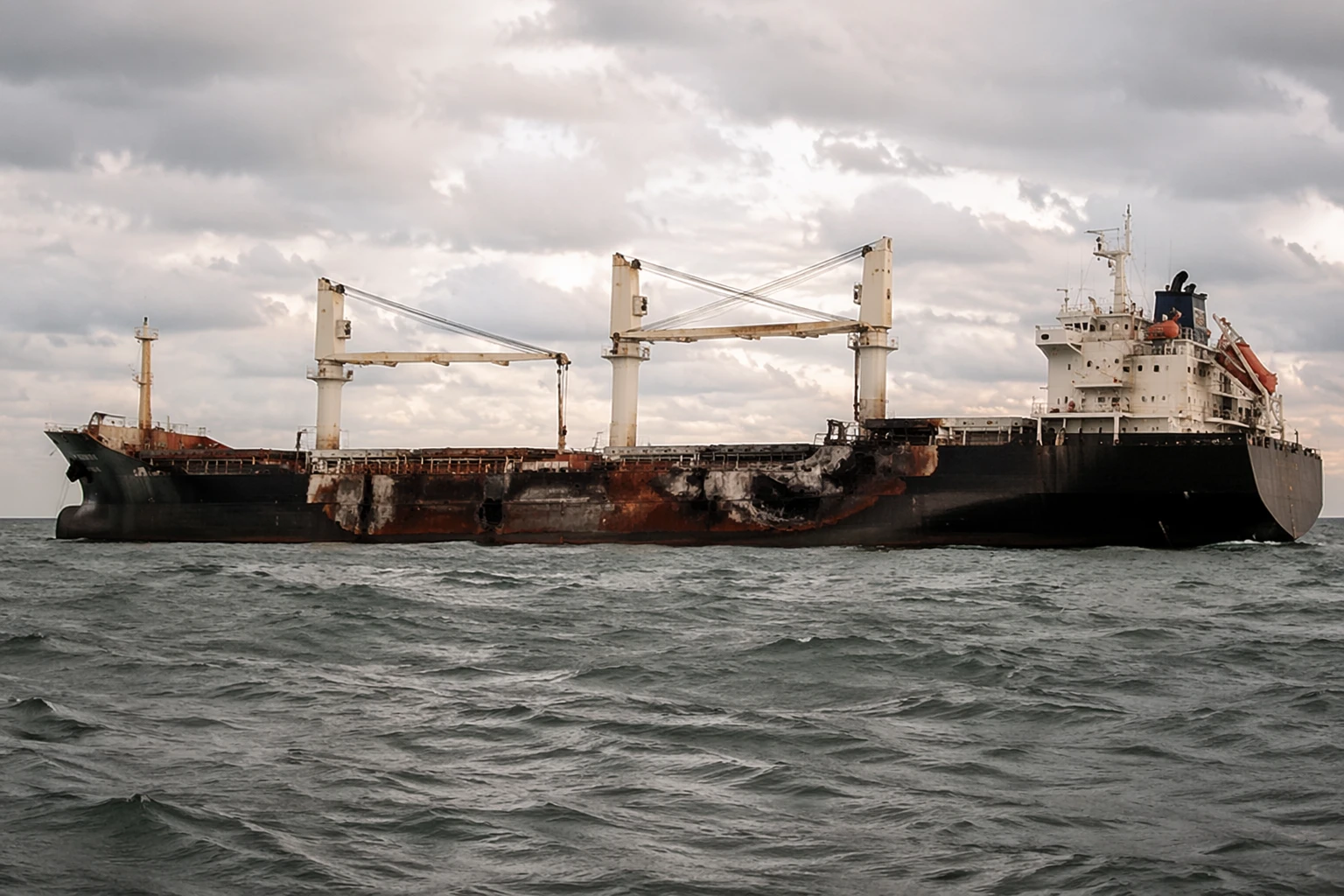
Reporting linked the incident to a second vessel, a Barbados-flagged ship, hit the same night. One report said the Panama-flagged ship was heading to an Odesa-region port to load metal products, and that a fire on board was quickly extinguished. Together, the attacks suggest a widening threat to ordinary cargo traffic moving through waters tied to grain, metal and energy shipments, not just military targets.
The broader concern is that the Black Sea and the Sea of Azov have become a maritime danger zone where commercial routes can be disrupted by drones, missiles and shifting security rules. Panama’s role makes the risk especially consequential: the country operates the world’s largest ship registry, and roughly 16% of the global merchant fleet sails under the Panama flag. Any attack on a Panama-registered ship quickly reverberates through insurance markets, ship registries and government maritime agencies far beyond the region.
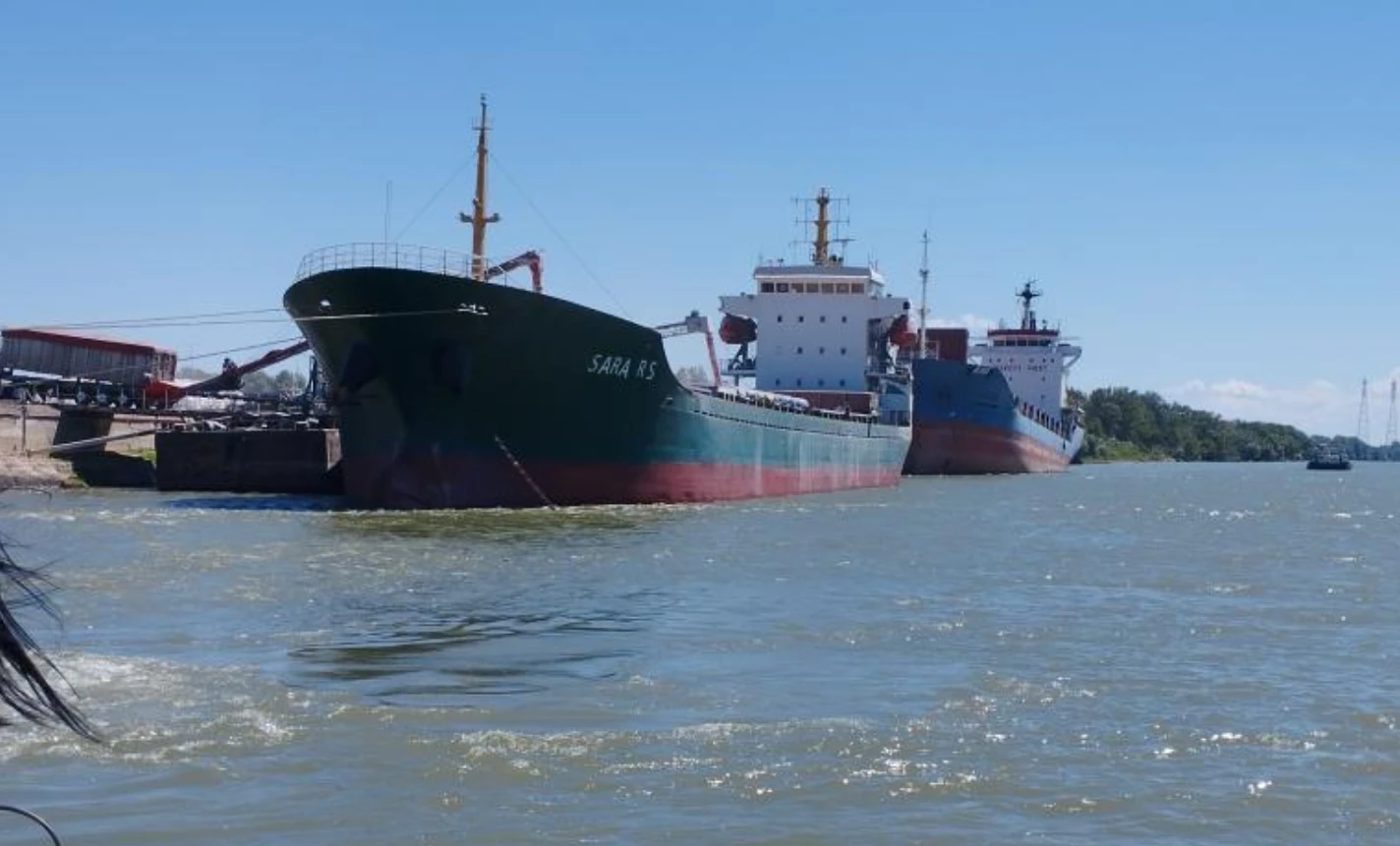
The International Maritime Organization has warned repeatedly about the danger to innocent seafarers, port workers and merchant ships in the Black Sea and Sea of Azov, and it has issued circulars and safety guidance since 2022. In December 2023, the organization’s Assembly adopted resolution A.1183(33), expressing grave concern over the impact of Russia’s invasion on international merchant shipping, ports and maritime infrastructure. It has also said Ukraine’s special maritime corridor in the Black Sea has helped commercial vessels reach Ukrainian ports.
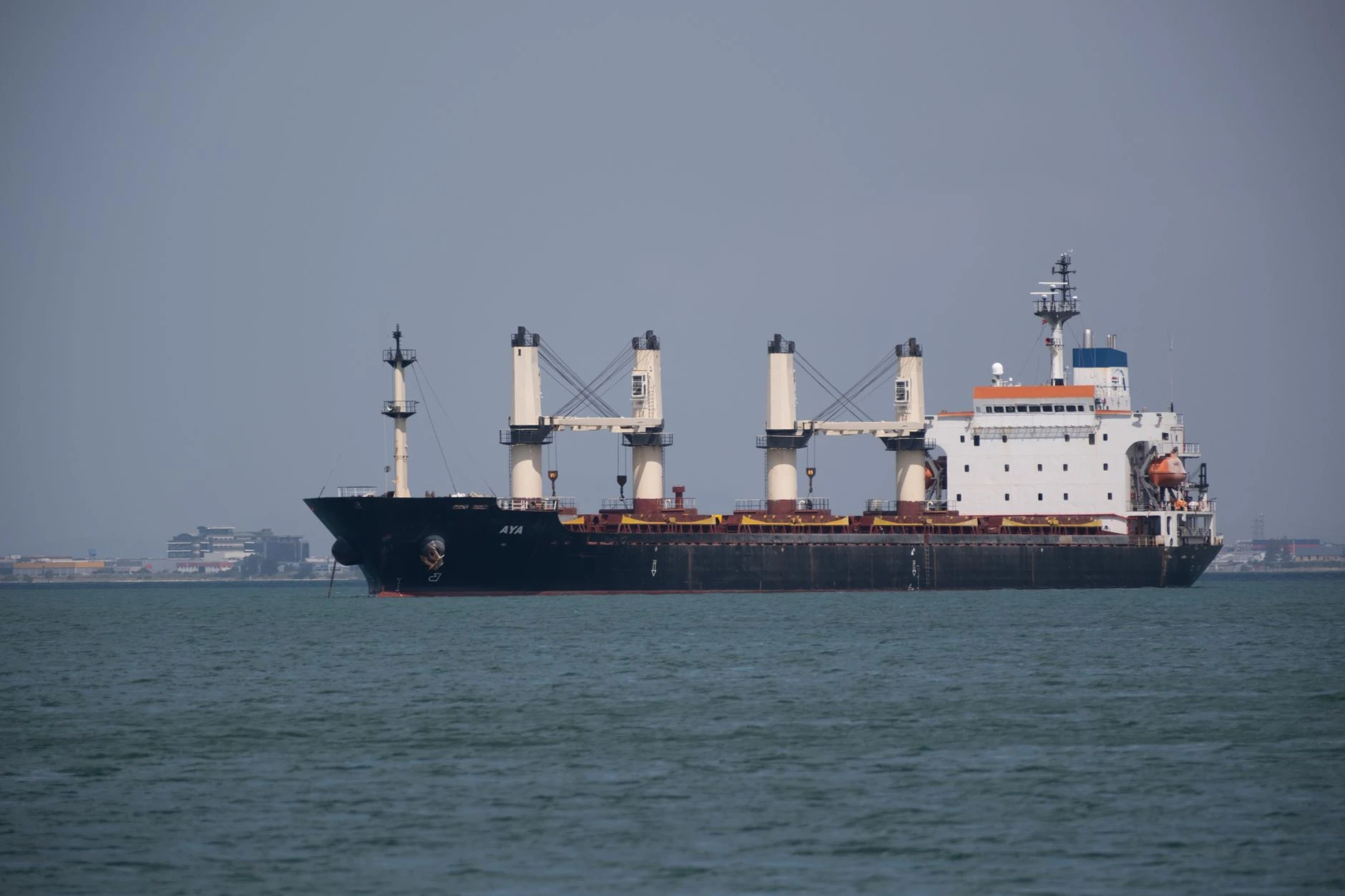
A maritime outlet said Russia had increased attacks on commercial ships in the Black Sea for more than a month before this strike. That pattern leaves shipping lines, cargo owners and insurers confronting a harder question: whether maritime law, convoy protection and naval safeguards are keeping pace with a conflict in which civilian vessels are increasingly exposed.
Sources
- [1]usnews.com
- [2]maritime-executive.com
- [3]imo.org
- [4]wwwcdn.imo.org
- [5]unctad.org
- [6]thehindu.com
- [7]newsroompanama.com
- [8]informat.ro