World
Drone Incident at Khartoum Airport Raises Aviation Concerns
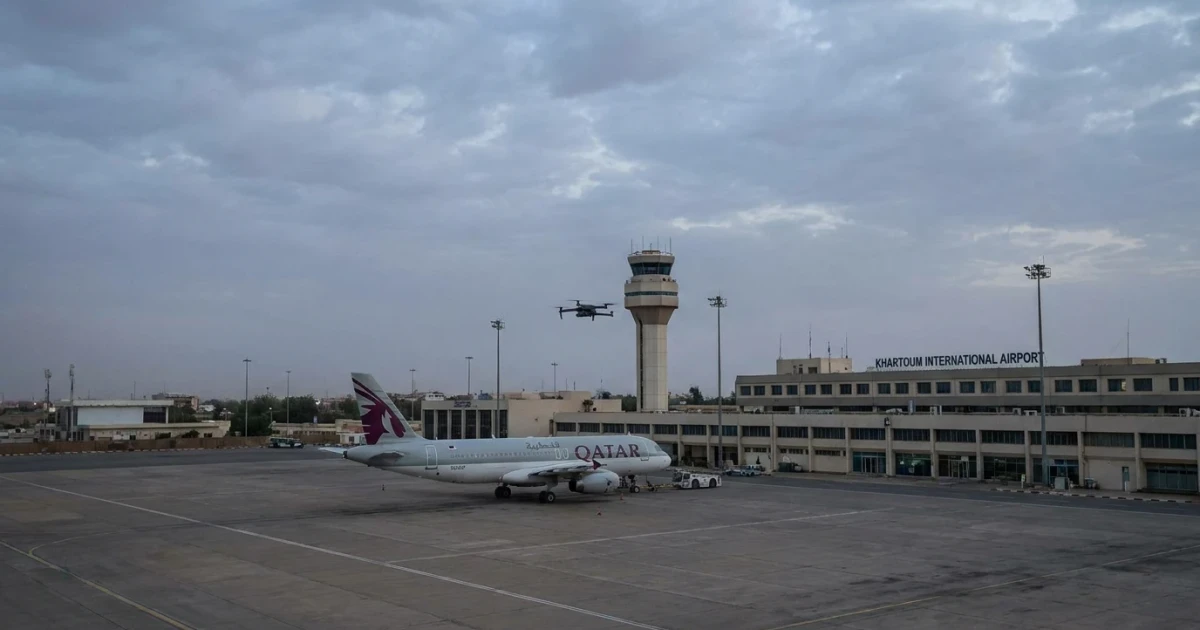
Sudan’s aviation sector faces renewed scrutiny as a recent drone incident at Khartoum International Airport disrupts regional air travel and raises concerns about traveler confidence between Sudan and Qatar. The event, widely reported by outlets including Travel And Tour World, underscores broader issues for global travelers navigating the region’s evolving security environment.
Drone Incident Sparks Security Debate
The incident at Khartoum International Airport involved an unauthorized drone entering restricted airspace, leading to a temporary suspension of flight operations. According to Travel And Tour World, this disruption created immediate operational challenges and left passengers stranded or facing delays. The event has drawn attention from international aviation bodies, with a focus on the implications for regional security protocols and airport safety standards. Readers can explore recent ICAO safety reports and data to understand how such incidents are tracked globally.
Impact on Regional Air Travel
The ripple effects of the Khartoum airport disruption extend beyond Sudan’s borders. The incident has particularly affected air routes between Sudan and Qatar, two countries with growing tourism and business exchanges. Airlines operating between Khartoum and Doha have faced cancellations and increased security checks, impacting both passenger volumes and airline revenue. For readers interested in real-time and historical passenger trends, the IATA Air Passenger Monthly Analysis offers valuable insights into how such events affect the Middle East and Africa’s air travel confidence and volumes.
- Flight Suspensions: Multiple carriers have reduced or suspended flights as a precaution, with operational updates available on Qatar Airways’ press releases page.
- Passenger Disruption: Travelers have experienced delays, rerouting, or cancellations, reflecting the interconnected nature of regional aviation networks.
Effects on Tourism and Business Travel
Sudan and Qatar have both invested heavily in boosting tourism, with Sudan’s historical sites and Qatar’s modern hubs drawing visitors from around the globe. Disruptions at a major transit point like Khartoum can have a cascading effect, decreasing traveler confidence and tourism receipts. For those tracking the impact on tourism statistics, the UNWTO Tourism Statistics Database provides comprehensive data on arrivals, departures, and tourism receipts for Sudan, Qatar, and the wider region.
Travel And Tour World notes that the aviation crisis could slow recovery in a sector already challenged by regional instability and global economic headwinds. Business travelers, in particular, may reconsider routes or delay plans due to uncertainty about airport security and operational resilience.
Broader Safety and Regulatory Response
The drone incident has prompted calls for a review of aviation safety regulations and the implementation of advanced security technologies at regional airports. While Sudanese authorities have pledged to strengthen airspace monitoring and enhance coordination with international agencies, experts warn that similar incidents elsewhere have led to prolonged travel disruptions and complicated insurance and liability issues for airlines.
What Global Travelers Should Know
Travelers planning journeys through Sudan or connecting flights to Qatar are advised to monitor official airline communications and government advisories closely. As the situation develops, real-time updates from airport authorities and carriers will be critical for minimizing inconvenience. Consulting resources such as the Qatar Planning and Statistics Authority and Sudanese tourism officials can help travelers make informed decisions.
Looking Ahead
The Khartoum International Airport drone incident highlights the growing importance of robust aviation security in maintaining regional connectivity and economic stability. As airlines, regulators, and travelers adapt to new challenges, ongoing vigilance and investment in airport safety will be essential to restoring confidence in Sudan-Qatar air routes and supporting the region’s tourism ambitions.