World
Drone spillover from Russia and Ukraine rattles NATO neighbors
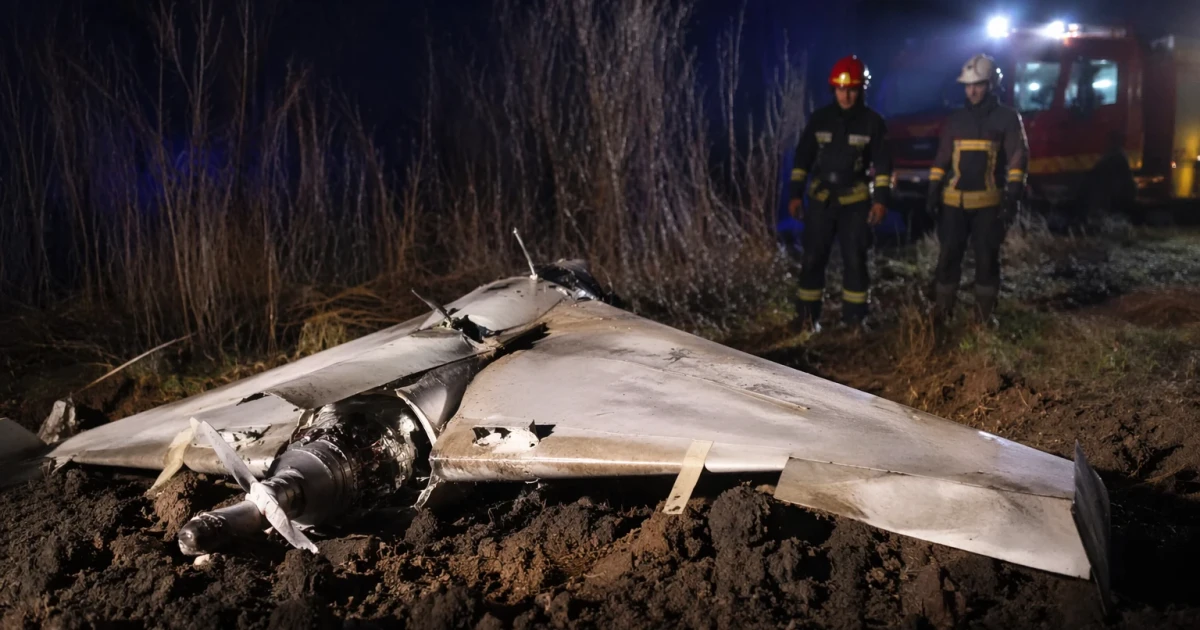
Drones launched by Russia and Ukraine are no longer stopping at the edge of the battlefield. They are crossing into Moldova, Romania, Poland and Lithuania, forcing civilians to shelter and exposing how easily long-range strikes and electronic warfare can spill into countries not formally at war.
The latest incident came in Moldova, where the defense ministry said a Ukrainian drone crossed into airspace around 12:20 a.m. local time on June 8. Officials later found fragments with traces of an explosion in a field near Lopatna, a village close to Ukraine’s border. It was a reminder that even when a drone does not hit a target, it can still land in farmland, spark alarms and pull a neutral state into the conflict’s wake.
Romania has faced some of the most serious consequences. On May 29, a Russian drone crashed into an apartment building and injured two people, setting the building ablaze. A separate sea drone exploded on June 5 near an oil terminal in the Black Sea port of Constanta, without causing casualties. Ukraine said Russian jamming had thrown the vessel off course, underscoring how electronic warfare can turn a weapon into a hazard for civilians, ports and energy infrastructure.
The danger is not limited to the Black Sea. Lithuania and other Baltic states have reported Ukrainian or suspected Ukrainian drones entering their airspace in 2026, widening fears that the conflict is testing NATO’s eastern defenses well beyond Ukraine’s borders. In Poland, Russian drone violations in September 2025 prompted Article 4 consultations under the NATO treaty, while allied jets were scrambled in response. The pattern has sharpened concerns that a stray drone, a navigation failure or a deliberate act of jamming could trigger a larger crisis.
Moscow and Kyiv have both blamed each other for some of the incursions. Ukraine says Russian jamming can push drones off course; Russia denies intentional violations. For border communities, the politics matter less than the noise overhead and the warning to seek shelter. The war’s drones are increasingly making reluctant participants of countries that did not choose the fight, and each crossing raises the risk of the next one landing somewhere more crowded.
Sources
- [1]nytimes.com
- [2]msn.com
- [3]usnews.com
- [4]nbcnews.com
- [5]bisi.org.uk