World
Drone strikes gas storage tanker at Egypt's Damietta port
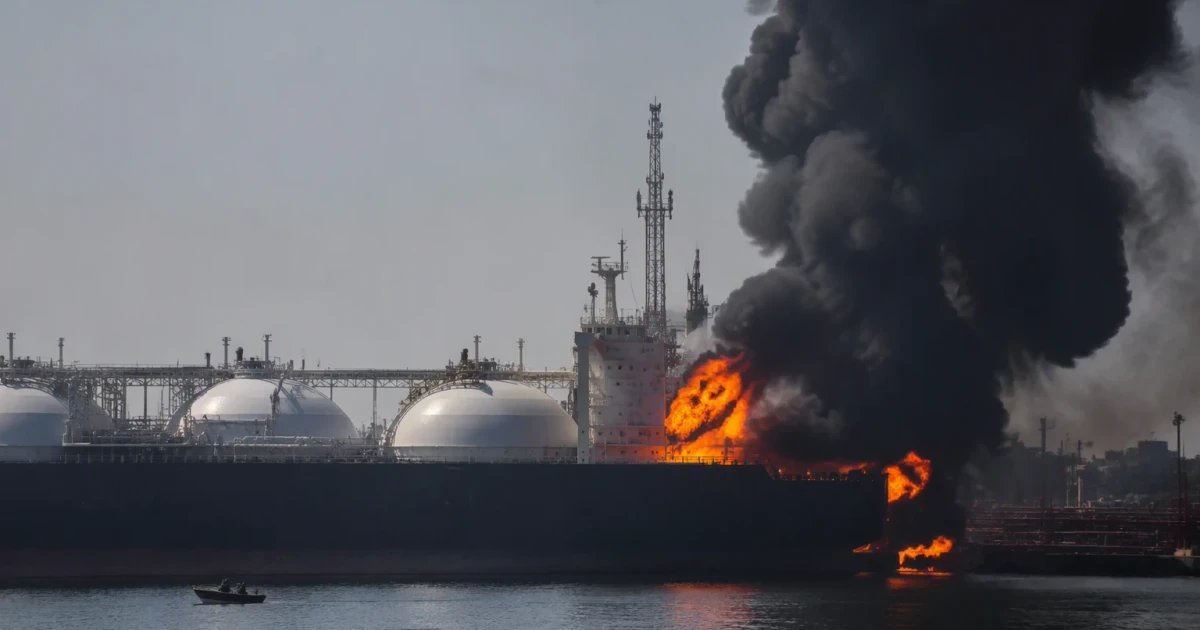
A drone struck a U.S.-owned gas storage tanker at Egypt’s Mediterranean port of Damietta, setting off fires on two gas vessels at a site central to the country’s LNG trade. Egypt’s oil ministry said no injuries were reported and port operations were expected to resume overnight.
British maritime security firm Ambrey made the initial assessment that the tanker had been hit by a drone. The vessels involved were identified as the Energos Winter, a floating storage and regasification unit, and GasLog Salem, with the fire reported to have spread from one to the other. Inchcape separately noted that two gas tankers were affected at the port.
Damietta sits on Egypt’s Mediterranean coast and serves as an LNG import, export and processing node, which makes even a brief disruption significant for gas flows and port logistics. New Fortress Energy said on July 15, 2025, that a subsidiary had signed a five-year agreement with the Egyptian Natural Gas Holding Company to deploy the Energos Winter, a 138,250-cubic-meter FSRU, at Damietta’s LNG import terminal. That background underscored why the strike drew immediate attention from shipping and energy markets.
A fire on a gas storage vessel carries more than local safety concerns. Port authorities and terminal operators typically have to check for leaks, ignition risk and damage to nearby handling systems before returning a berth to service, and shipowners often weigh whether to hold vessels offshore or reroute them while inspections continue. For insurers, a hit on an energy asset can quickly raise the perceived risk of operating through nearby waters, adding pressure to premiums and precautionary delays even when injuries are avoided.
The Damietta incident also added to concern that conflict is spilling further into civilian infrastructure tied to trade across the Mediterranean Sea and the wider Middle East. A strike on a single port facility can ripple through regional fuel handling, vessel schedules and commercial confidence far beyond the immediate shoreline, especially when the target is an LNG asset that sits inside a broader supply chain.
The immediate question for Egypt is whether Damietta was an isolated hit or evidence that drone warfare is moving deeper into critical maritime infrastructure. The answer will shape how operators, insurers and regional shippers assess the risk of moving gas and fuel through one of the area’s most sensitive coastal gateways.