Business
Drone threats drive demand for counter-aircraft systems across Europe and Middle East
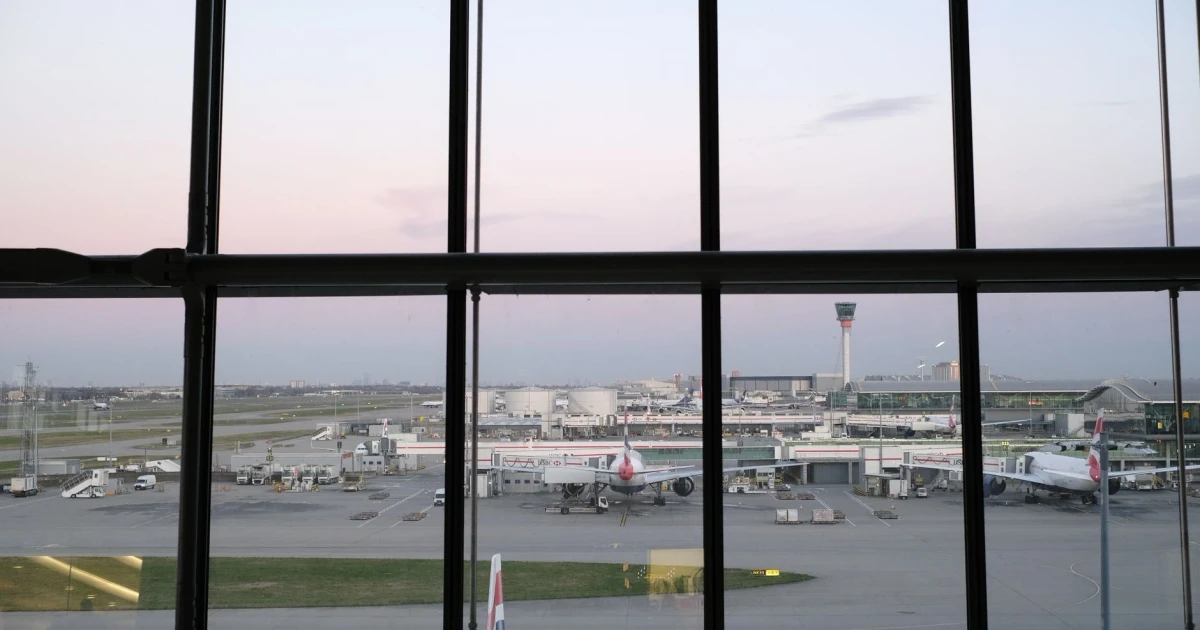
Drone incursions over airports in Europe and attacks on oil fields in the Middle East have turned counter-aircraft systems into a fast-growing business for civilian infrastructure as well as militaries. Airports, ports, hotels, shipping firms, energy facilities and data centers are now buying radars, jammers and defensive craft as operators try to stop disruptions before they ripple through flights, supply chains and power networks.
The surge has reached European aviation authorities after repeated incidents, including drone-related airport shutdowns in Europe and suspected alerts in Munich and Copenhagen. Gatwick Airport had already been forced to suspend flights because of drone alerts before 2020, a warning sign that has become more urgent as European airport authorities look to expand their counter-drone technology. In the Middle East, debris fires linked to interceptions at the Fujairah Oil Zone and pressure around Dubai airport and Baltic-state airspace have reinforced the same message: the threat is no longer confined to battlefields.
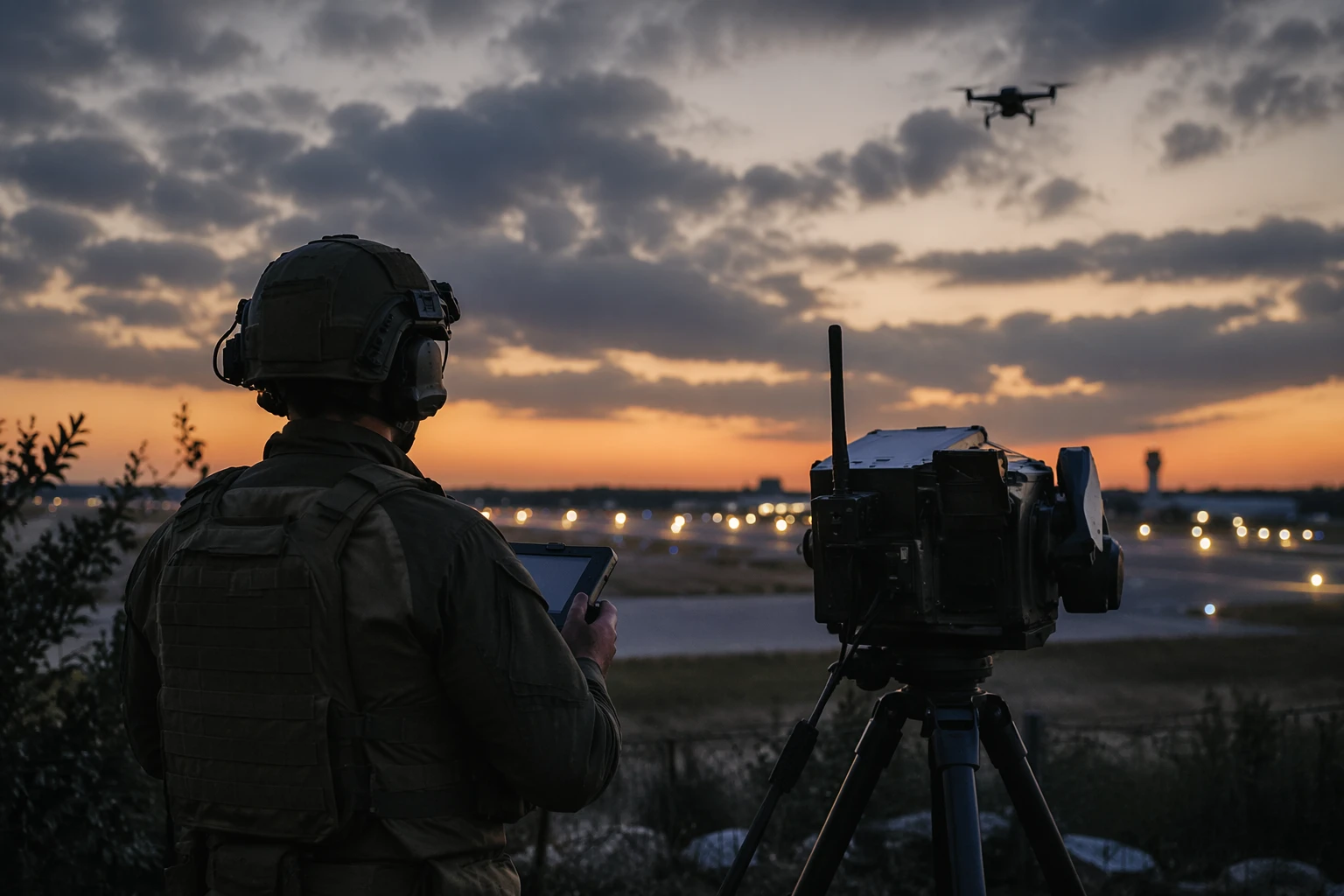
Demand accelerated sharply after the Iran war began in late February 2026, when customers started asking for systems that could be installed ASAP. That rush has put companies such as Dedrone and RobinRadar under growing pressure to deliver equipment quickly, while Boeing has described an autonomous wingman concept that could accompany fighter jets and carry counter-drone systems or weapons in interchangeable modules. The technology itself has also broadened, moving from handheld jamming tools to integrated platforms that combine sensors, software and artificial intelligence.
Civilian aviation is now part of the core market. Avinor, which runs 43 airports across Norway, said drone pilots need permission from local air traffic control to fly within five kilometers of an airport, and it is already using detection technology to manage disruptions and delays. Its drone program has also been working on counter-uncrewed aerial systems procedures to detect and manage unauthorized drones while integrating legitimate flights through UTM systems including Ninox Drone and Avidrone.

Dedrone said its airport systems are used internationally to detect, identify and locate unauthorized drones and their pilots, and that 53 airports rely on its anti-drone systems. The European Commission said on February 11, 2026, that the EU faced growing drone-related threats, including hostile overflights, airspace violations and airport disruptions, and it unveiled an action plan to strengthen detection with AI software technologies and 5G networks. As those measures spread, counter-drone defense is increasingly becoming part of the operating cost of modern critical infrastructure.
Sources
- [1]money.usnews.com
- [2]commission.europa.eu
- [3]avinor.no
- [4]om.avinor.no
- [5]dedrone.com