US News
Drought squeezes Colorado River states as farms, towns fight for water
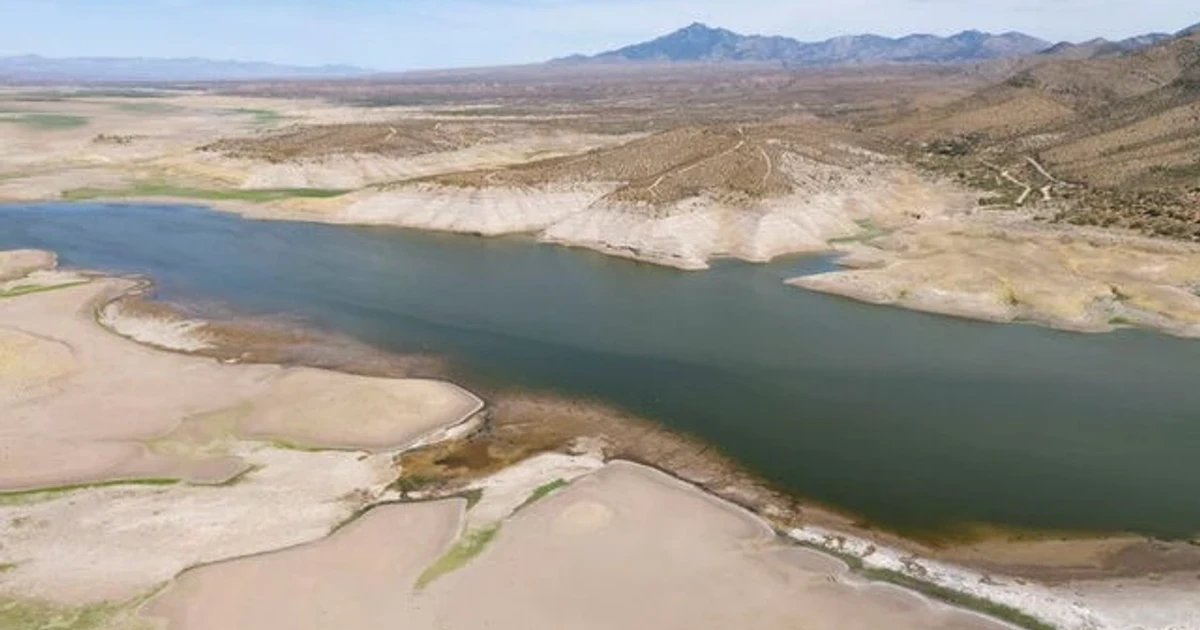
Federal officials were weighing deep cuts in Colorado River allocations to Arizona, California and Nevada as drought, record-low snowpack and extreme heat tightened the squeeze on the West’s main water source. The river supplies water to roughly 40 million people across seven Western states and Mexico and irrigates millions of acres of farmland, turning a dry summer into a direct fight over who gets what is left.
In southern Arizona, Nancy Caywood was already living with the loss. She farms about 250 acres of alfalfa and cotton near Casa Grande, but river water ran out in March and she still had to pay a large annual fee to her water district. Her land depends entirely on irrigation from the San Carlos Reservoir on the Gila River, a Colorado River tributary, and in a bad snow year that reservoir had fallen to roughly 1% capacity. The result was not just a farming problem but a cash-flow crisis, with acreage, water bills and planting decisions all colliding at once.
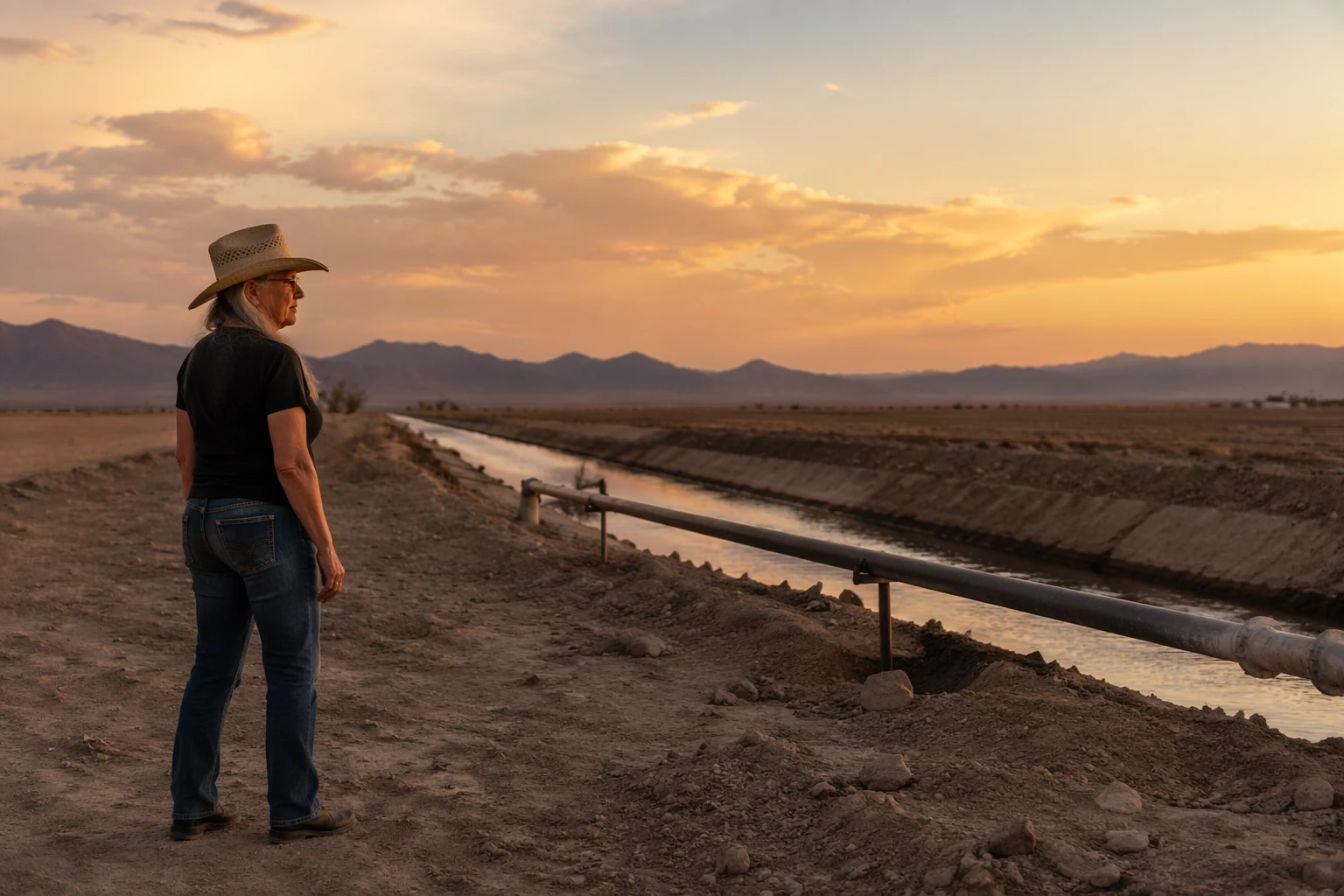
The same pressure was pushing other growers to leave land idle. Jace Miller said more than half his fields were fallow, while developers and solar companies were buying agricultural land around Phoenix. His view reflected the central political split in the basin: farmland that has fed the region for generations is now competing with subdivisions, utility-scale solar projects and the build-out for data centers and semiconductor plants. In a fast-growing desert economy, every acre that shifts from crops to housing or industry also shifts the politics of water.
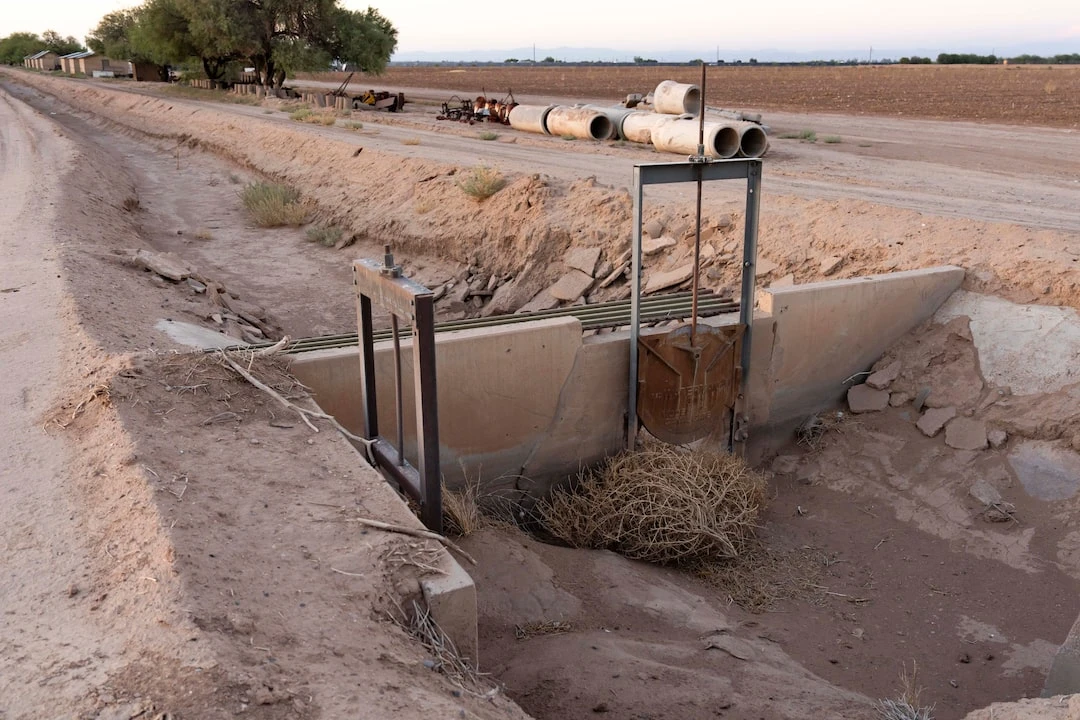
That clash has made the Colorado River shortage more than a temporary drought. It has become a structural test of how the modern West grows, and who bears the cost when water is no longer abundant enough to support everything at once. Farmers are warning that repeated shortages could force more land out of production and raise pressure on food supplies. City leaders, developers and industrial users are trying to secure water for new homes and high-wage projects. Federal cuts would sharpen those choices rather than solve them, because the river no longer has enough room for the region’s competing claims.
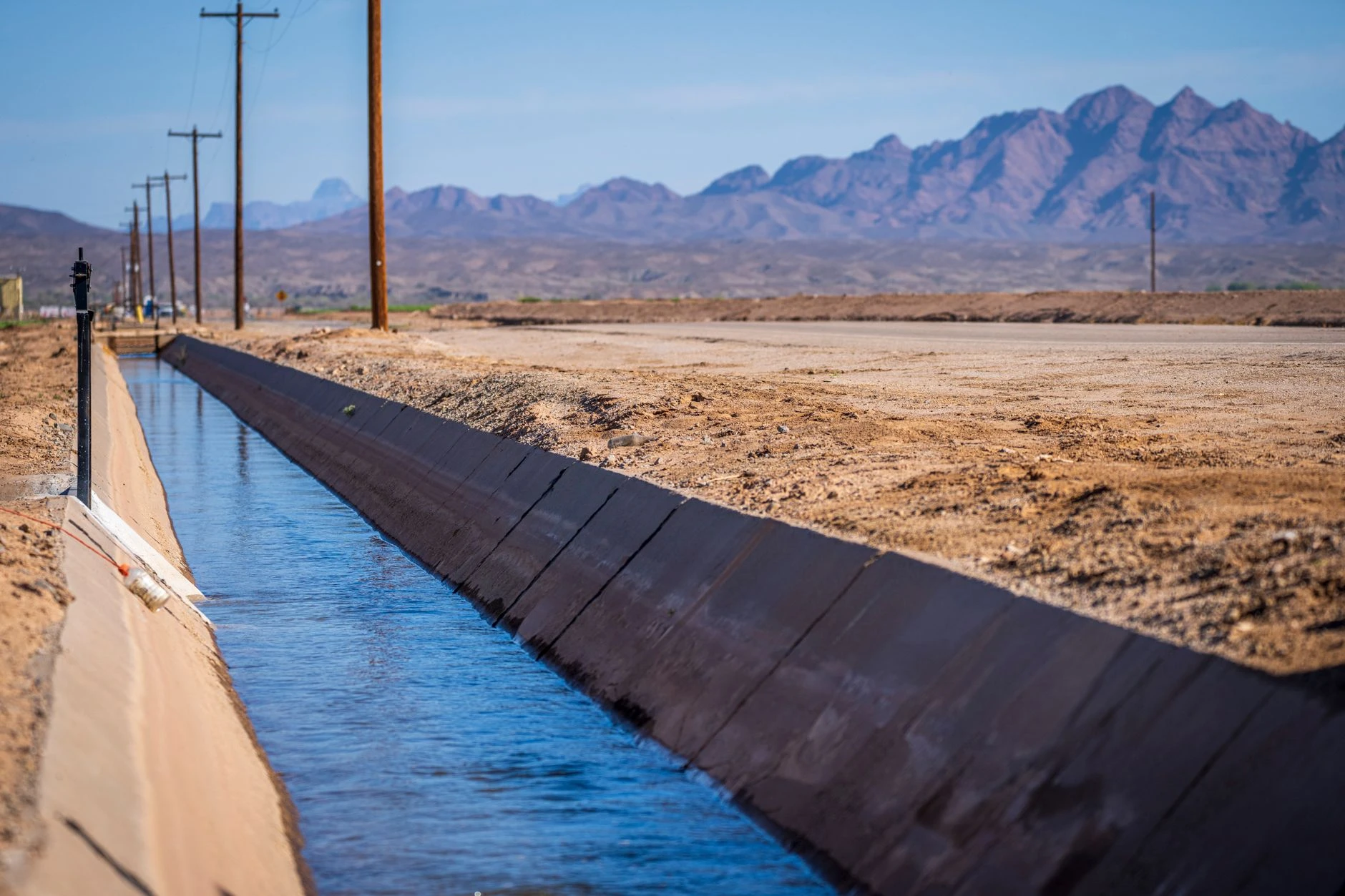
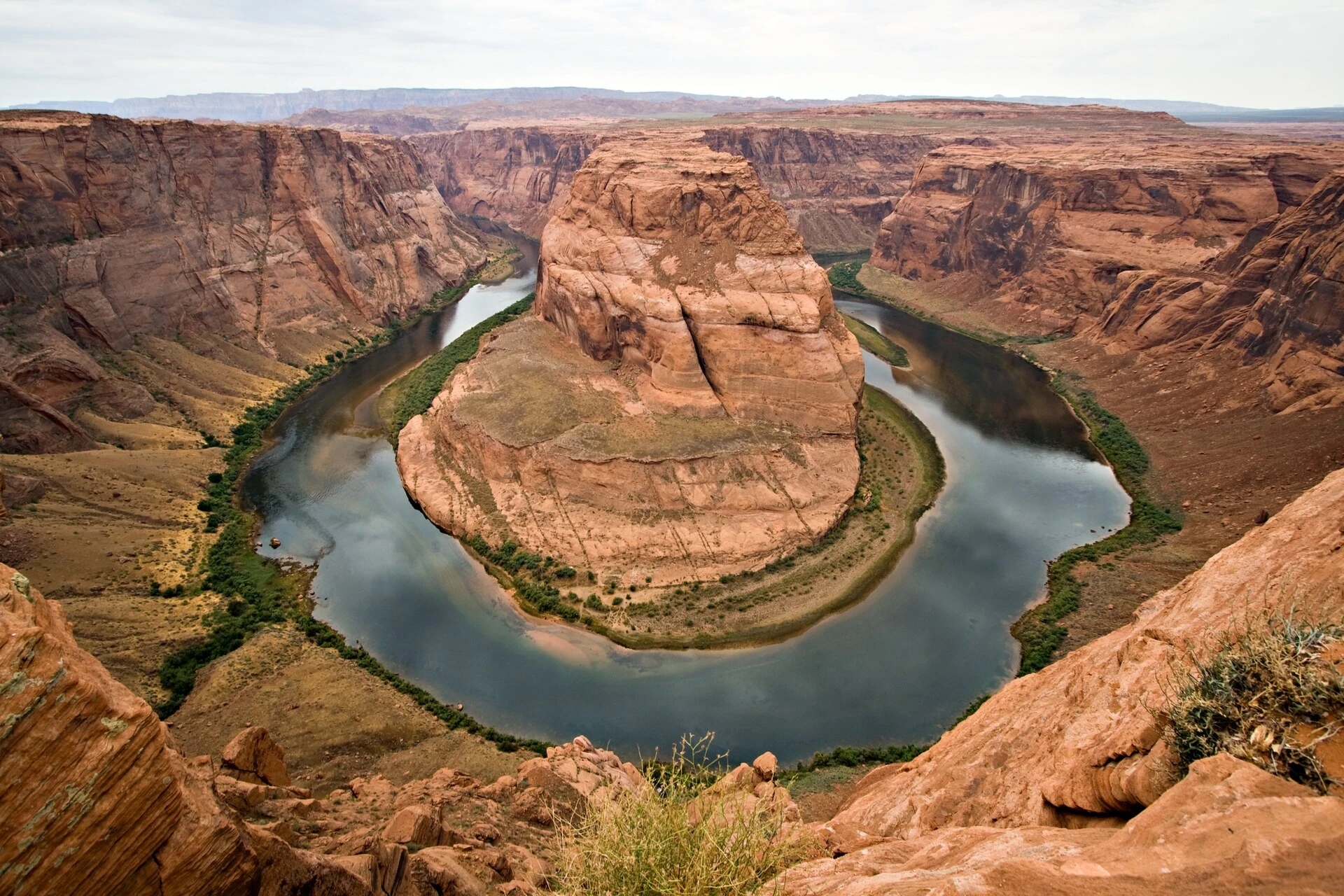
The argument now running through Arizona and New Mexico is not only about allocation formulas. It is about whether the basin can keep expanding while the Colorado River shrinks, or whether drought will force a harsher order of priorities, with food production, housing growth and industrial expansion no longer able to coexist on the same water.
Sources
- [1]usnews.com