Health
Drug combo induces hypothermia in animals to limit stroke damage
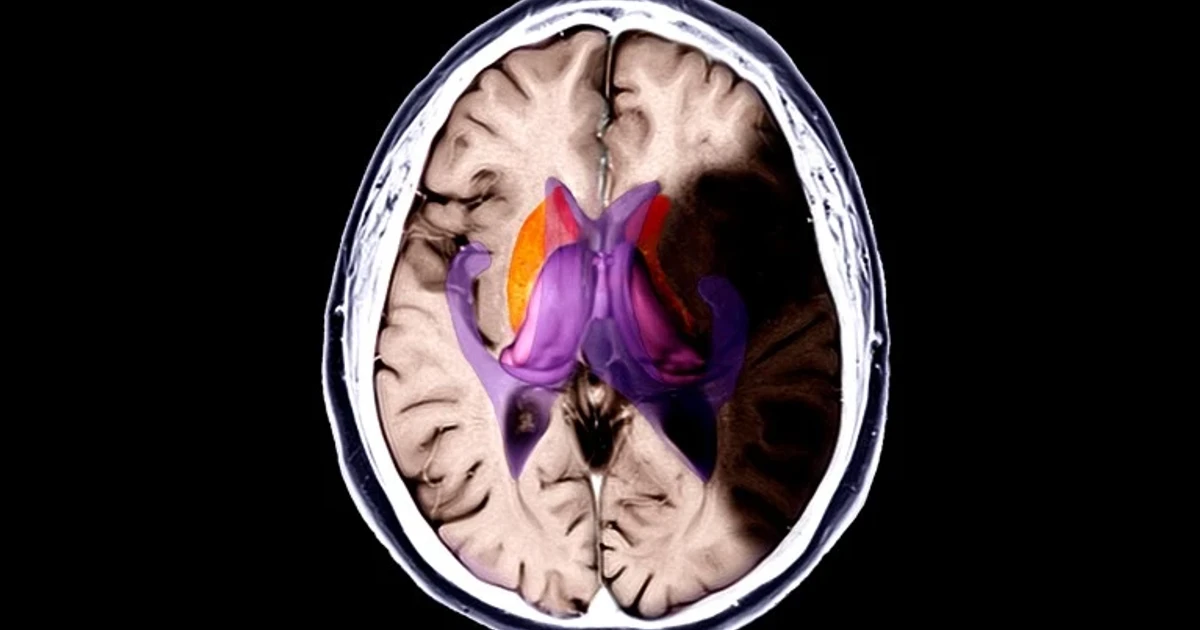
Cooling the brain after a stroke has long looked like a way to buy injured tissue time, but emergency medicine has struggled to deliver that protection fast, evenly and safely. A new animal study points to a simpler route: the phenothiazine drugs chlorpromazine and promethazine lowered metabolism, widened blood vessels and triggered hypothermia that reduced stroke damage in mice.
The work, led by researchers including Shuaili Xu, Xunming Ji, Fengyuan Che, Chuanjie Wu and Di Wu at Capital Medical University and Xuanwu Hospital in Beijing, found that the drug pair, often abbreviated C+P, suppressed glucose metabolism in the brain and produced a hibernation-like state. In a mouse middle cerebral artery occlusion model, the treatment reduced infarct volume and improved neurological deficits, a meaningful signal that the cooling response was not just physiologic but also protective.
The same approach was also examined in rhesus monkeys, underscoring that the team was trying to gauge feasibility and safety beyond rodents. That matters because drug-induced hypothermia could, in theory, be easier to deploy than bulky cooling devices: instead of forcing a patient’s core temperature down with external equipment, an injected treatment might create a body-wide response that emergency teams could use more quickly in the field or in smaller hospitals.
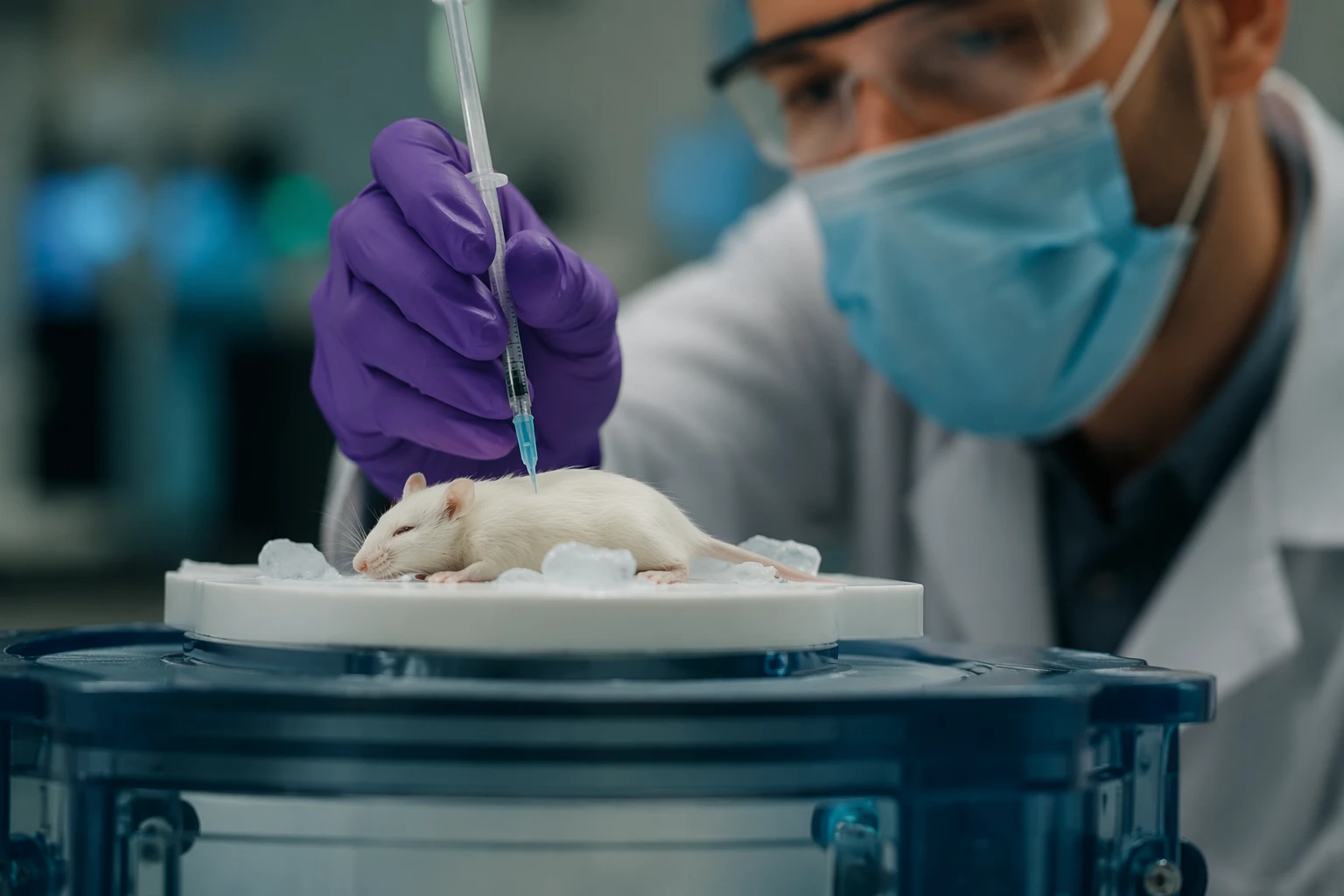
Still, the gap between a promising laboratory result and a stroke treatment remains wide. A 2024 review found that therapeutic hypothermia has produced variable clinical outcomes in ischemic stroke, helping explain why the field has not yet settled on a standard approach. The new study is early-stage science, not a human therapy, and the major questions now are whether the temperature drop can be controlled, whether side effects are acceptable and whether the brain benefit survives in real patients with complex medical histories.
The need for better stroke care is undeniable. The World Health Organization says the global stroke burden measured in disability-adjusted life-years rose from 137 million in 2000 to 160 million in 2021. In the United States, the Centers for Disease Control and Prevention says stroke is a leading cause of serious long-term disability and cost the country nearly $56.2 billion between 2019 and 2020. Against that backdrop, even a modest advance in neuroprotection could matter, especially if it works in places where advanced cooling systems are out of reach.
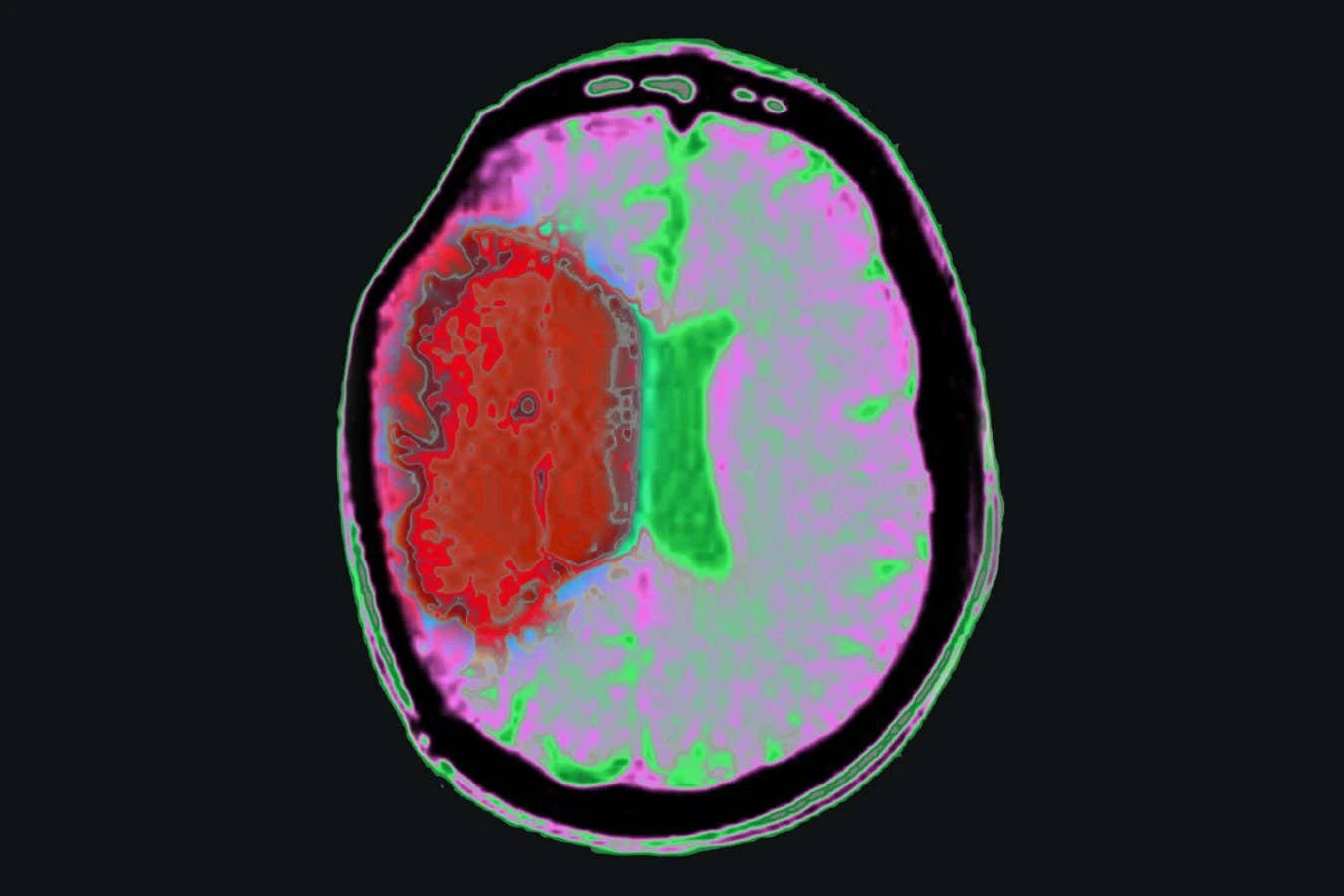
The idea is already moving into early human testing. ClinicalTrials.gov lists a study of chlorpromazine and promethazine in acute ischemic stroke patients eligible for reperfusion therapy, with 72-hour safety observation, CT-based infarct measurement and 90-day functional outcomes. That makes the science more than a laboratory curiosity, but it is still a long road from induced hypothermia in animals to a therapy hospitals can trust.
Sources
- [1]nature.com
- [2]pubmed.ncbi.nlm.nih.gov
- [3]clinicaltrials.gov
- [4]who.int
- [5]cdc.gov
- [6]frontiersin.org
- [7]link.springer.com
- [8]science.org