Business
Drugmakers warn Germany medicine cuts could stall investment and launches
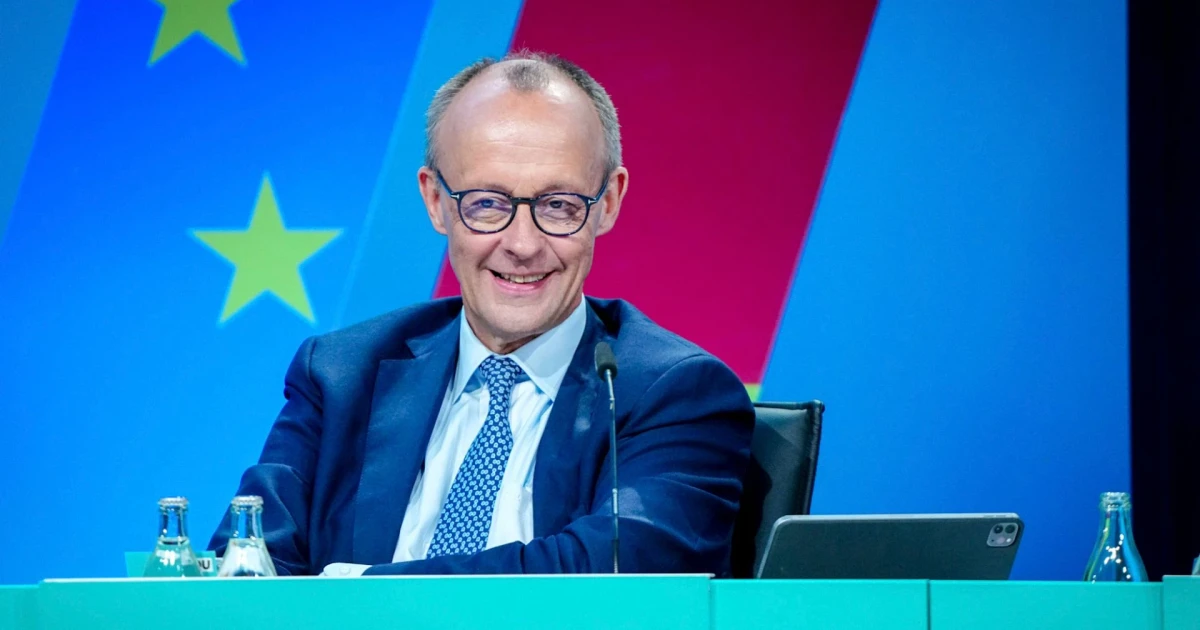
Drugmakers are turning Germany’s pricing fight into a test of leverage, warning that tighter medicine cuts could hit investment, expansion plans and the launch of new treatments. Pfizer told Chancellor Friedrich Merz that its German spending was at risk, AstraZeneca said it might not launch new medicines in Germany, and Eli Lilly and Boehringer Ingelheim have already pulled back billions of euros in planned projects.
The dispute centers on legislation that would tighten spending on medicines in Europe’s largest health market. Germany had initially considered a discount system tied to overall drug expenditures and health-system revenues, a design companies argued would make future planning harder because the size of the markdown would move with the government’s books. Officials later moved to replace the variable discounts with fixed-level discounts, a change intended to give companies more certainty even as it keeps the pressure on prices.
For Berlin, the stakes go well beyond the pharmaceutical lobby’s complaints. A policy analysis of the draft cost-containment package estimated savings of about 20 billion euros in 2027 and more than 42 billion euros by 2030. That puts lawmakers under pressure to hold down public spending at a time when health budgets are already strained. For drugmakers, however, the same policy looks like a warning signal to global capital: tighter pricing today could mean fewer factories, fewer research commitments and fewer launches tomorrow.

The corporate push is not theoretical. Eli Lilly said it would halve a planned 2.3 billion euro investment in Germany, while Boehringer Ingelheim scrapped 900 million euros in expansion plans. Pfizer’s chief executive, Albert Bourla, warned in a June 9 letter to Merz that the company was reviewing the timing and scope of planned German investments. More than 30 pharma executives had already sought an urgent meeting with the chancellor on April 22, underscoring how quickly the issue escalated.
The strategy mirrors Britain, where the industry secured a win after the government struck a pharmaceutical arrangement with the United States on April 2. Under that deal, U.S. tariffs on UK-made medicines were set at zero for at least three years, while Britain committed to improving the operating environment for pharma and increasing NHS spending on new medicines over time. Industry groups hailed the outcome, while patient and health campaigners warned it could raise costs for the NHS and divert money from other care.
That British outcome now hangs over Berlin. Industry talks over the voluntary branded-medicines scheme stalled in 2025, and the same pressure campaign is being replayed across Europe: lower prices for public payers now, or, companies argue, fewer jobs, less research spending and slower access to new treatments later.
Sources
- [1]pharma.economictimes.indiatimes.com
- [2]msn.com
- [3]lse.co.uk
- [4]whbl.com
- [5]gov.uk
- [6]commonslibrary.parliament.uk
- [7]parliament.uk
- [8]abpi.org.uk
- [9]globalpolicywatch.com