Sports
Dunga recalls Brazil’s 1994 World Cup edge, preparation and discipline
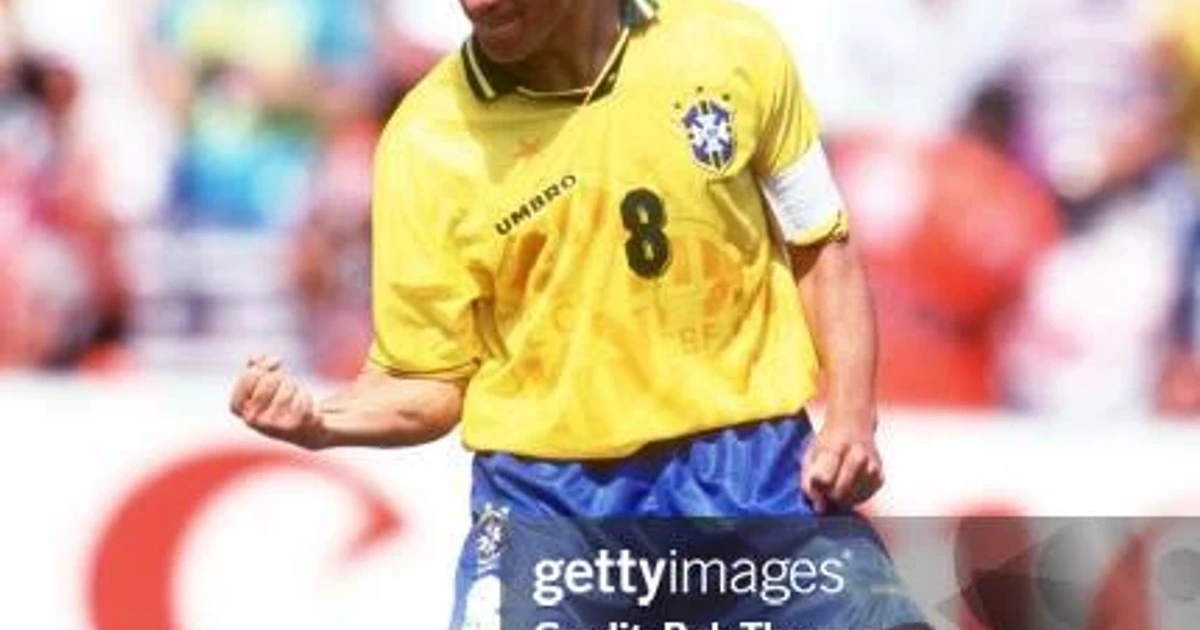
Dunga’s latest reflections on Brazil’s 1994 World Cup run turn a famous title into something more revealing than nostalgia. The former captain describes a squad built less on spectacle than on structure, with opponent study, internal conversation and discipline forming the edge that carried Brazil past Italy on penalties and into a place no other team had reached before.
The discipline behind Brazil’s edge
What Dunga returns to again and again is preparation. He has said the decisive difference in a World Cup is often found in the details, and that idea shaped Brazil’s path in the United States in 1994. The team’s work on opponents was led by Carlos Alberto Parreira, Mário Zagallo and Américo Faria, a staff that treated analysis as a daily habit rather than a luxury.
That process was slower and more limited than what modern teams take for granted. Dunga recalled that before breaking down rivals, Brazil had to wait for television transmissions, because access to match material was scarce. In an era long before every movement could be clipped, tagged and studied from multiple angles, those who organized information well gained an immediate advantage.
The result was a team that did not depend on improvisation alone. It knew when to absorb information, when to speak, and when to keep the room aligned around the same objective. Dunga has stressed that these small habits were not decoration. They were part of how a championship team was assembled.
How the locker room worked like a unit
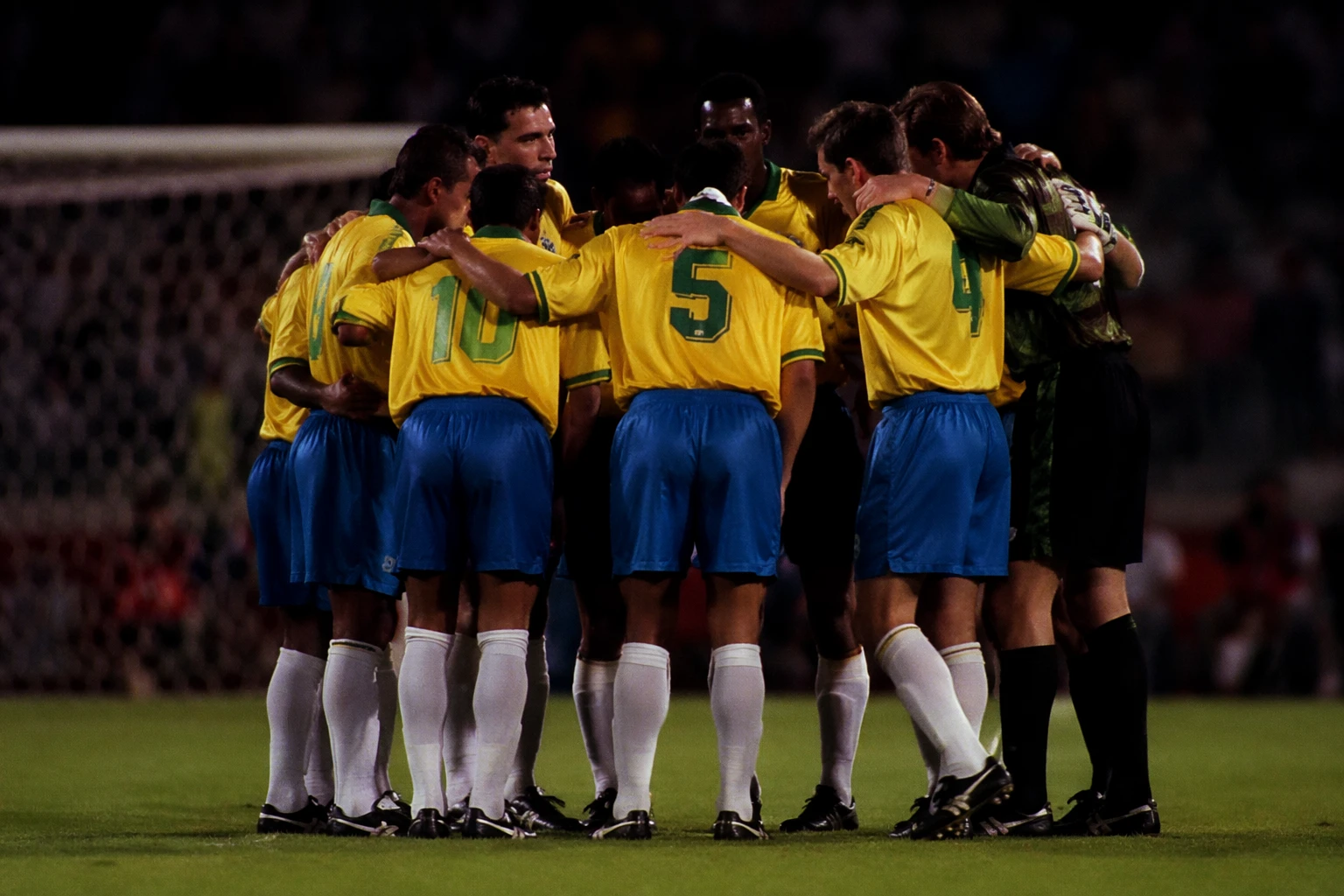
Dunga’s account also shows how the inner life of the squad mattered as much as the tactical board. He said conversations between players were part of the preparation process, even during meals, turning ordinary moments into extensions of the team meeting. That detail matters because it suggests cohesion was not accidental. It was practiced.
In the Brazil of 1994, the machinery of winning was social as well as technical. Players were not just waiting to be told what to do, they were processing information together, reinforcing ideas through repetition and shared routine. That kind of internal culture can be decisive in tournament football, where pressure compresses time and leaves little room for confusion.
This is also why Dunga’s memories resonate beyond one title. He is pointing to a model in which discipline did not suppress identity, but gave it shape. Brazil still played with ambition, but it did so inside a framework that kept the group focused when the margins narrowed.
A final won in penalties, and a place in history
Brazil’s reward came against Italy in the final, where the match was settled by penalties. The victory delivered Brazil’s fourth World Cup title and made it the first national team to reach four championships, a milestone that carried symbolic weight well beyond the trophy itself.
That achievement remains central to how the 1994 side is remembered. It was not only a triumph over a difficult opponent, but a statement about the scale of Brazilian football at the time. The team had already learned how to win under pressure, and in the final it proved that preparation could survive the most unforgiving stage of the sport.
Dunga, who captained that side, has repeatedly returned to the final as proof that winning at this level requires more than talent. The title was built on planning, trust and patience, and those qualities still define how the 1994 squad is discussed nearly three decades later.
What Dunga says Brazil needs now
The contrast with the present day is unavoidable. Dunga has argued in recent interviews that Brazil remains a favorite because of its history, but he has also said the national team is in a period of transition and is not getting the results it wants. In a conversation with Lance! in December 2024, he said Brazil had gone to study Europe in areas it did not need to study and insisted the Seleção needed humility.
That message has stayed consistent. Dunga says the current team needs humility, discipline and analysis, and he has argued that Brazilian football has not lost its charm. What has changed, in his view, is the moment. The country that once leaned on a tightly organized, self-aware group now searches for the same clarity in a much noisier football landscape.
The point of his recollections is not simply that 1994 was different. It is that the difference was deliberate. Brazil’s last World Cup-winning machine was built through shared knowledge, controlled preparation and a dressing room that understood how to turn conversation into commitment. That model remains part of the country’s football memory, and it is still the standard against which every modern Brazil team is measured.
Sources
- [1]telemundo.com
- [2]fifa.com
- [3]lance.com.br
- [4]planetworldcup.com