Sports
Dunga says Brazil has lost the identity that made it dominant
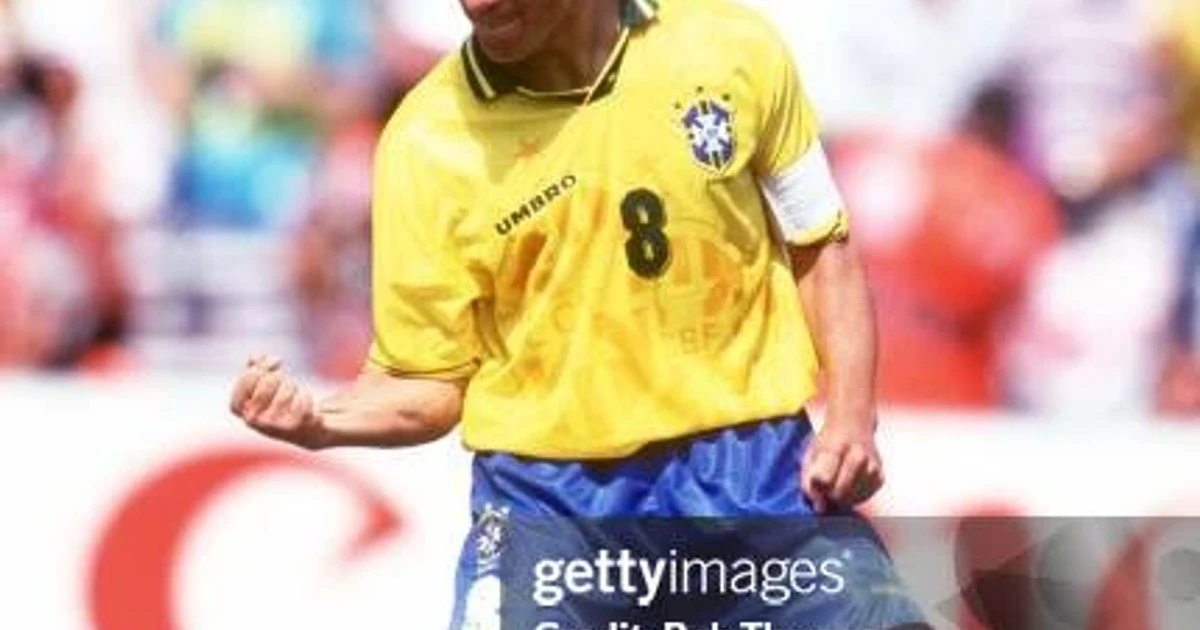
Dunga’s criticism landed with unusual force because Carlos Caetano Bledorn Verri is not speaking from the outside. The former Brazil captain lifted the World Cup at the Rose Bowl in Pasadena, where the Seleção beat Italy on penalties after a 0-0 final in 1994, ending a 24-year drought without the trophy. Now he says the national side has drifted away from the identity that once made it dominant, and he links that loss of essence to the pain of another early elimination.
The historical contrast matters. FIFA identifies Dunga as the captain of Brazil’s USA 1994 champions, and the Confederação Brasileira de Futebol remembers that team as one built on a more pragmatic plan, with balance between defense, midfield and attack. That structure did more than win one title. It helped define an era in which Brazil again looked like a side that could control a tournament without abandoning its strength in attack.
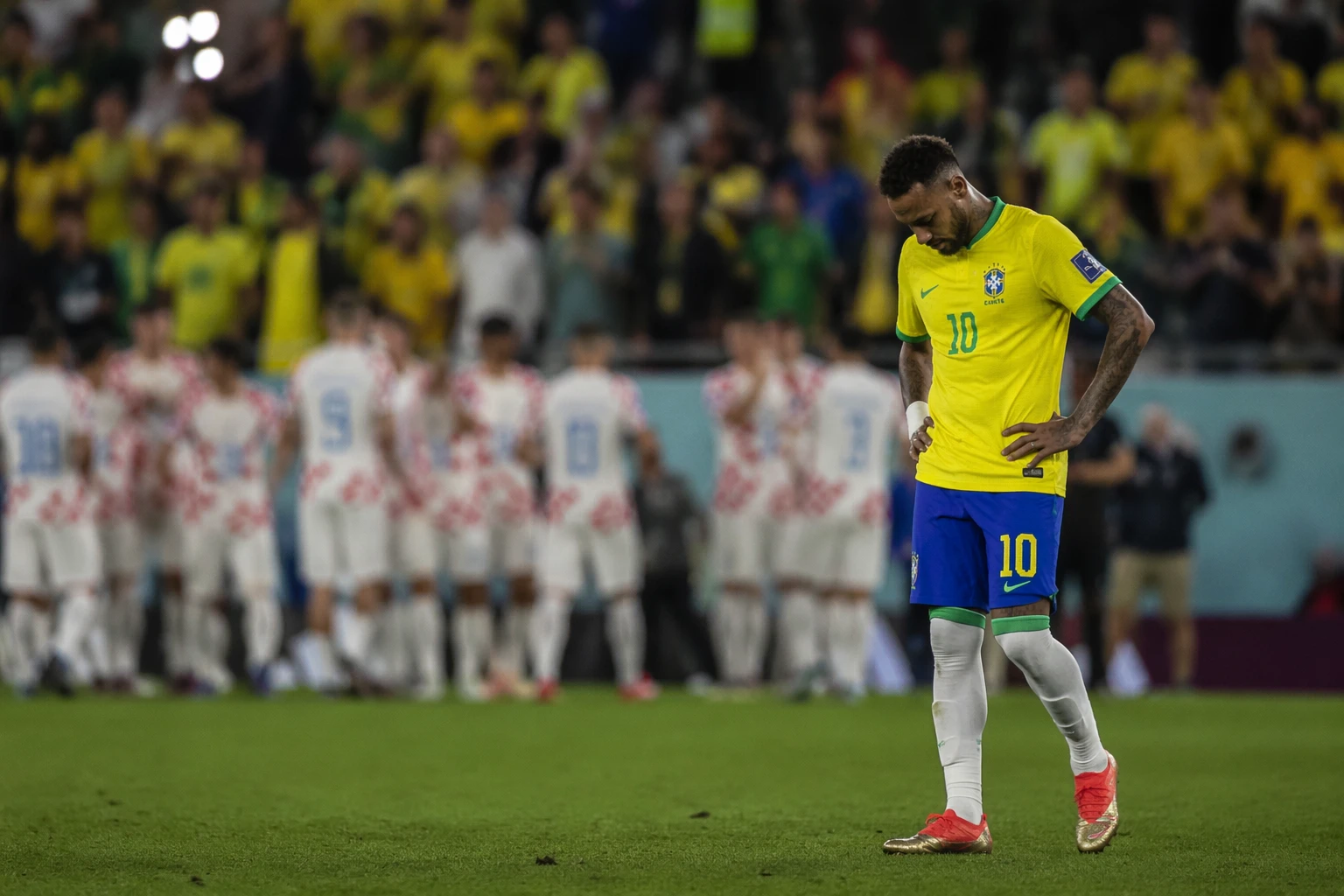
That is why Dunga’s complaint cuts into a deeper argument than formation or tempo. His point is not simply that Brazil lost a game. It is that the Seleção Brasileira no longer transmits the force, clarity and competitive balance that once distinguished it from rivals. In that reading, the problem is part identity and part tactics: a team can keep the yellow shirt and still lose the habits that made the shirt fearsome.
The emotional weight is amplified by Dunga’s own history with failure and accountability. Brazil was knocked out in the group stage of the Copa América Centenario in 2016, and the CBF dismissed him on June 14 of that year, disbanding his technical staff soon after the elimination. Dunga had defended his continuity immediately after that setback, refusing the idea that one bad tournament should end his run at once. That episode makes his latest reflection less like a detached critique and more like a warning from someone who has lived both the glory and the fallout.

For Brazil, the question is no longer whether the country can recall the football of Bebeto, Romário, Ronaldo and Taffarel. It is whether “being Brazil again” still means the same thing in modern international soccer, where control, structure and adaptation often decide more than reputation alone. Dunga’s argument suggests the program has not only to remember its strengths, but to decide which parts of its old dominance still fit the game it plays now.
Sources
- [1]telemundo.com
- [2]fifa.com
- [3]cbf.com.br
- [4]sports.yahoo.com
- [5]espn.com
- [6]taipeitimes.com