World
Dutch mission uncovers Ramesside-era tomb of Paser in Luxor
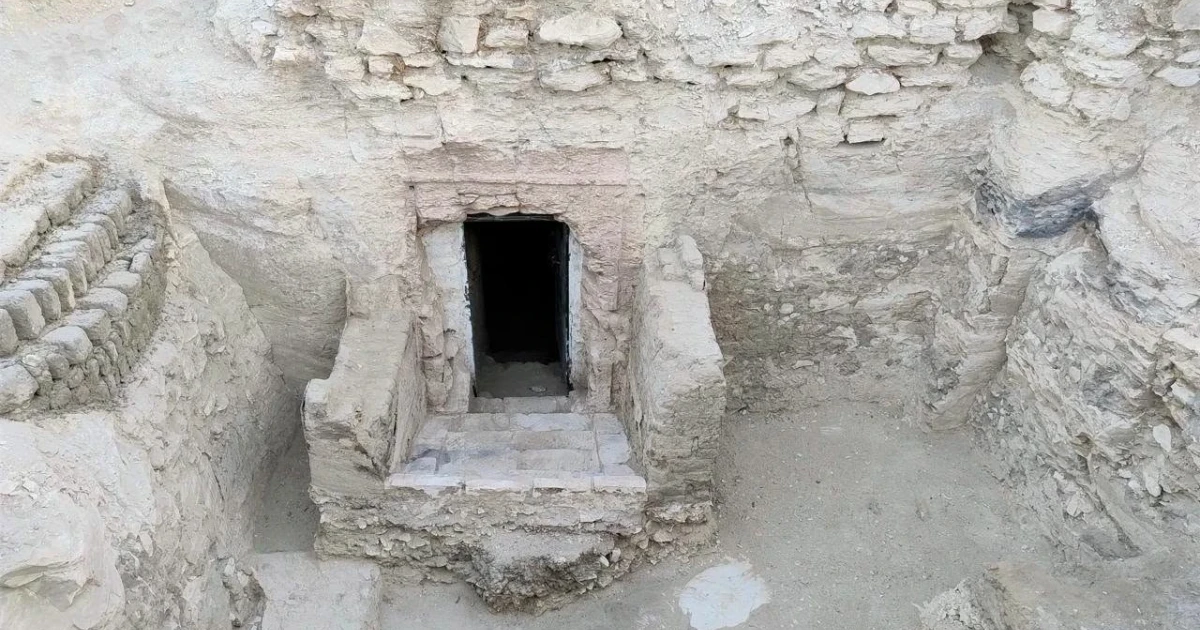
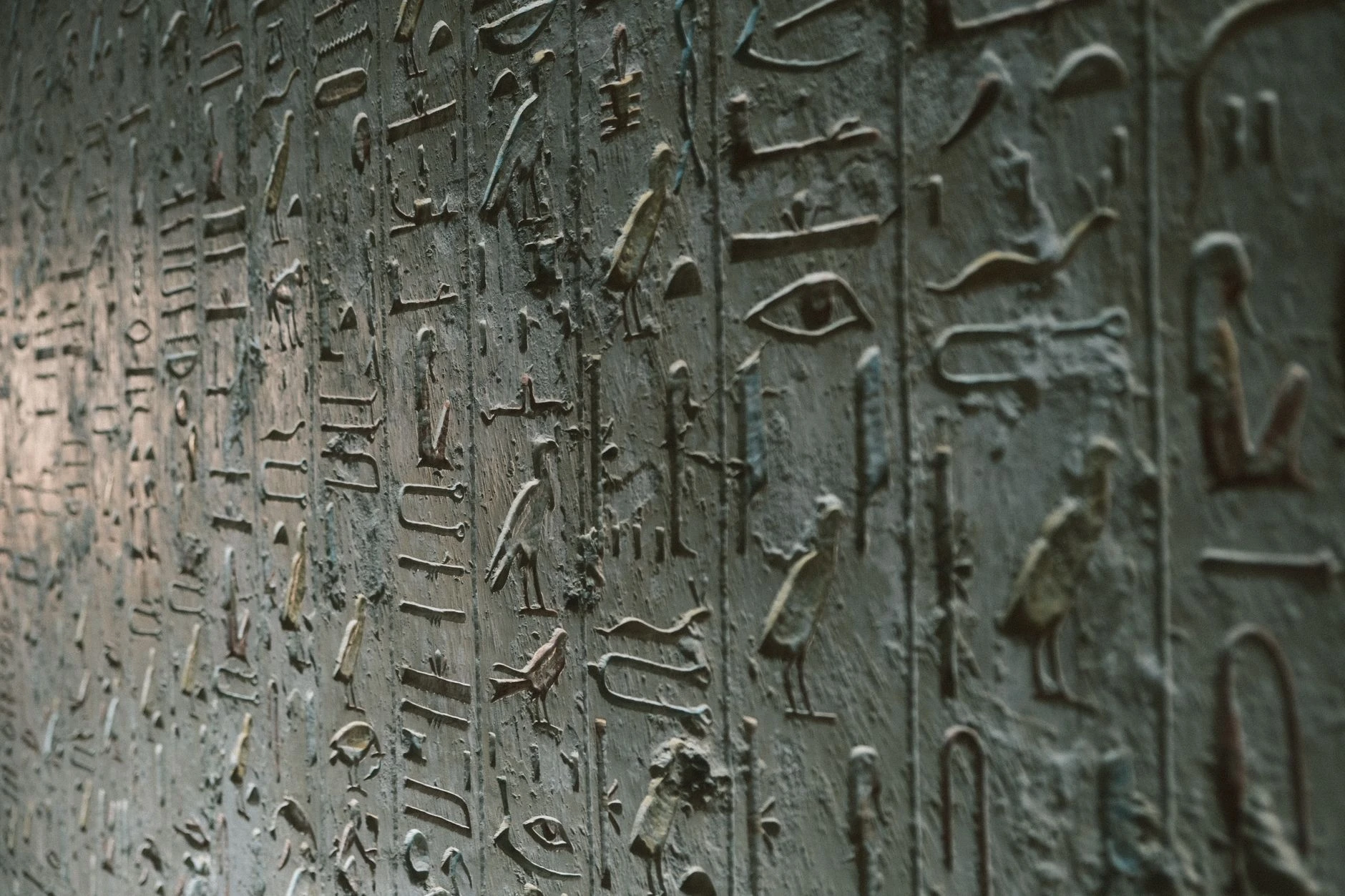
A Dutch archaeological mission in Luxor identified a tomb belonging to a man named Paser from inscriptions inside the burial site, a find that adds a new named private burial to the record of the Theban Necropolis on the city’s West Bank.
The tomb lies in the lower Sheikh Abd El-Qurna area, one of the most important burial zones in Thebes, and officials said it likely dates to the Ramesside period, part of Egypt’s New Kingdom, roughly 1550 to 1070 BCE. The mission from Leiden University has worked in the area since 2018, building a research and field project east of Theban Tomb No. 45 with a focus on preventive conservation, risk management and the first comprehensive archaeological study of the district.
Egyptian antiquities officials said the tomb follows the traditional plan of New Kingdom private tombs in Thebes. It has an outer courtyard, an inverted T-shaped rock-cut chapel and underground burial chambers. In the courtyard, archaeologists found a mudbrick mastaba with a niche for a funerary stela and a staircase flanked by ramps leading to the entrance, details that help place the burial within the funerary architecture of elite and non-royal households of the period.
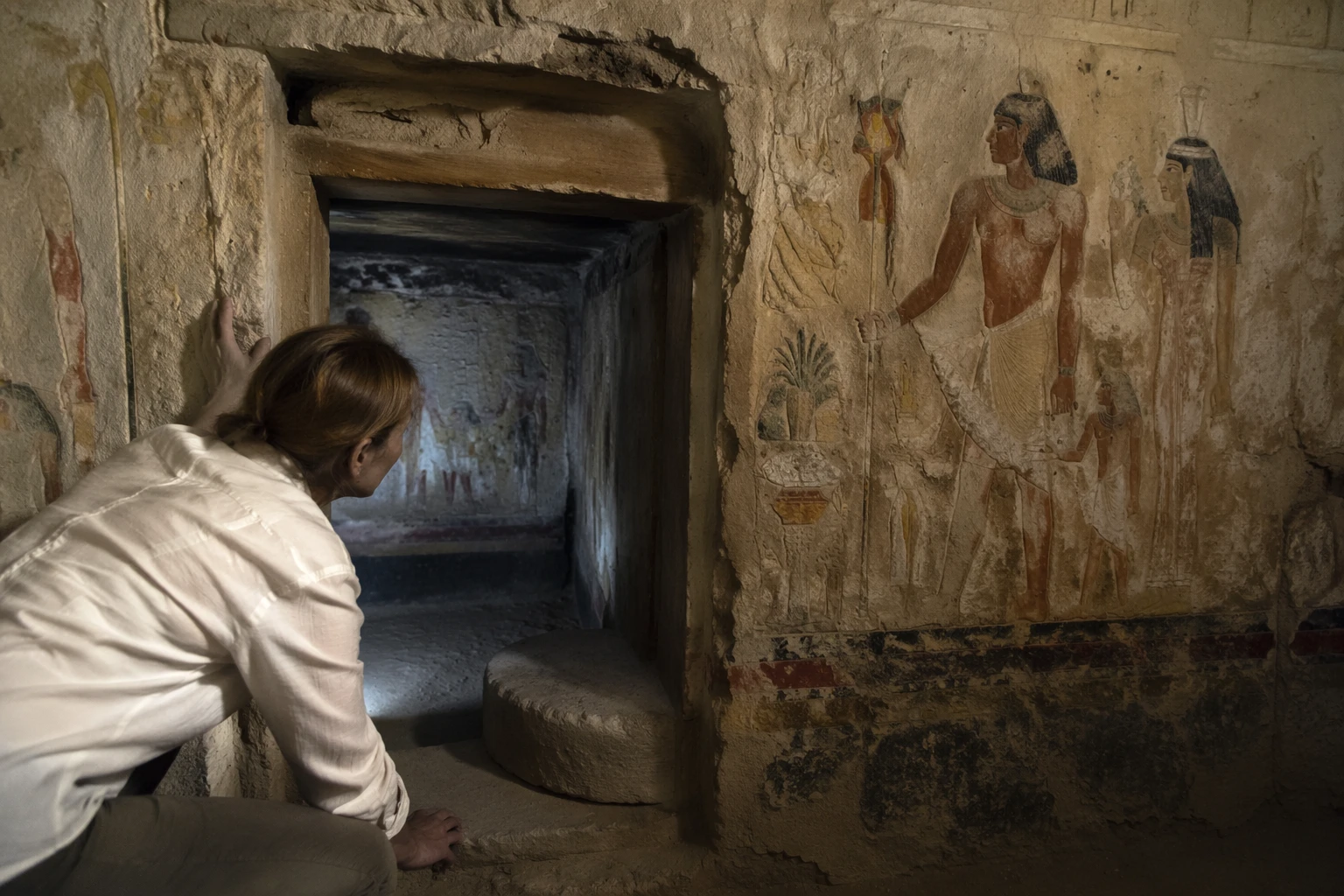
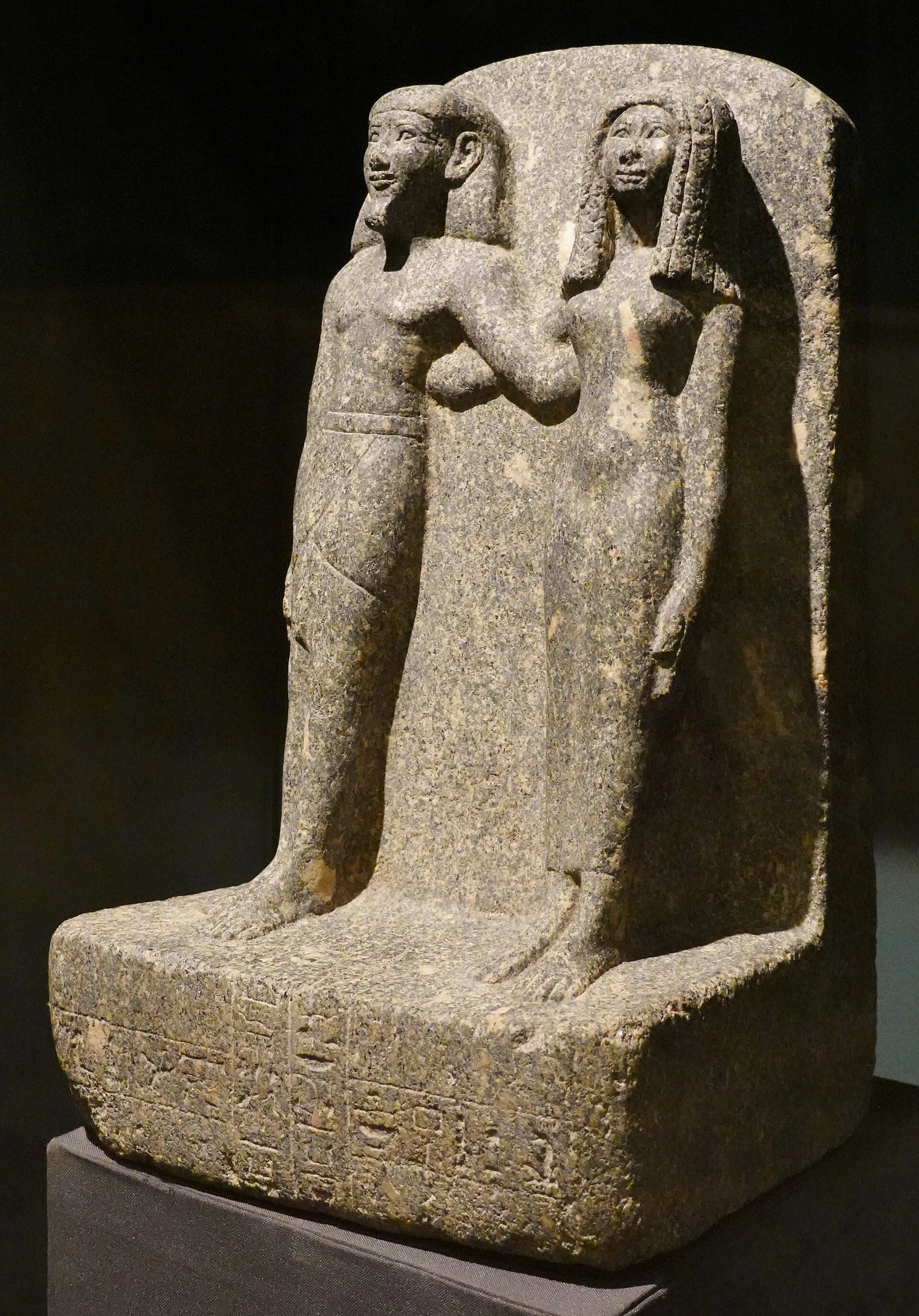
Inside the chapel, several scenes bear Paser’s name. The painted decoration shows him worshipping deities inside shrines and standing with his wife before an offering table, images that connect the tomb to the religious practices and family commemoration that shaped private burials in ancient Thebes. The identification of Paser through inscriptions gives historians a specific person to attach to the architecture, rather than an anonymous chamber, and opens the door to reconstructing the biographies of people buried there.
The team plans to continue documenting the interior to identify any other individuals interred in the tomb and piece together their lives. Future seasons will also include structural consolidation, maintenance and restoration of the painted decoration, work that is essential in a fragile archaeological landscape where every exposed wall painting and mudbrick feature can be lost without intervention.
Tourism and Antiquities Minister Sherif Fathy said the discovery adds to Egypt’s archaeological record and helps uncover more secrets of ancient Egyptian civilization. He also linked the find to the country’s heritage tourism profile, saying such missions strengthen Egypt’s standing as a global destination for visitors drawn to Luxor’s West Bank and the wider Theban Necropolis.
Sources
- [1]cbsnews.com
- [2]dailynewsegypt.com
- [3]universiteitleiden.nl
- [4]stichtingael.nl
- [5]msn.com