Politics
Dutch prime minister apologizes for colonial injustice to Moluccan community
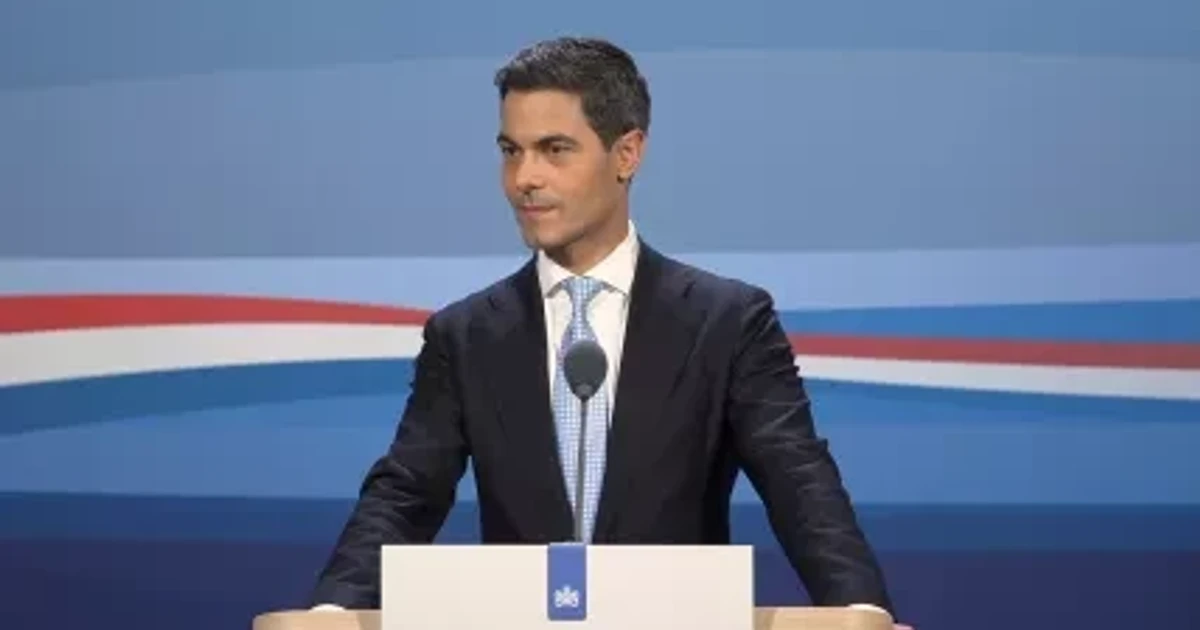
Dutch Prime Minister Rob Jetten used the opening of the National Monument Ulu Kora in Rotterdam to deliver a formal apology to the Moluccan community for how former KNIL soldiers and their families were treated after arriving in the Netherlands 75 years ago. The ceremony at Lloydkade turned a waterfront memorial into a moment of state reckoning, with officials framing the apology as part of the country’s wider confrontation with its colonial past.
The apology reached back to 1951, when about 12,500 Moluccan soldiers and their families were brought to the Netherlands in what was presented as a temporary arrangement. The men had served in the Royal Netherlands East Indies Army, or KNIL, and had fought on the Dutch side in the 1945-1949 Indonesian War of Independence. After Indonesia won independence, many could not safely return to the Maluku Islands, leaving families in limbo in a country that had not planned to keep them.
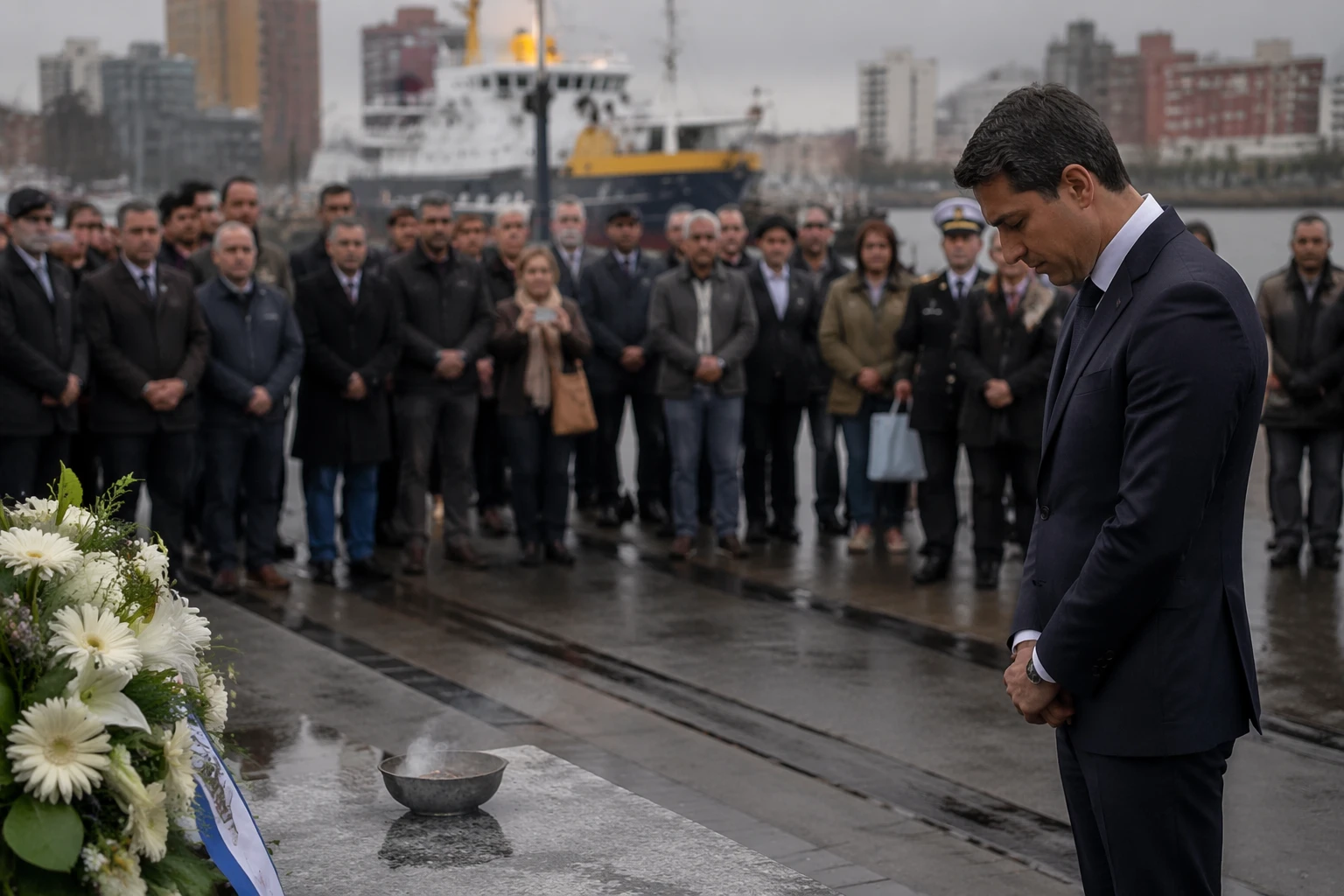
That unresolved status shaped the community’s early years in the Netherlands. Some Moluccans were housed in former Nazi concentration camps, including the former transit camp Westerbork, later known as Schattenberg. The place where Jetten spoke connected directly to that history, linking the monument’s unveiling to the arrival and displacement of a population brought under Dutch state authority and then left to absorb the consequences of empire’s collapse.
For many Moluccans, the apology mattered because it acknowledged a long-denied injustice tied to colonial service, forced migration and postwar abandonment. Community reaction was mixed. The apology was welcomed as an important act of recognition, but some Moluccans said it came too late, a reminder that symbolic gestures do not erase the length of the wait or the losses carried across generations.

The moment also sits beside earlier Dutch efforts to confront colonial wrongdoing, including apologies and remembrance work related to slavery and colonial history. That broader context gives Jetten’s words added weight, but also sharper limits. A formal apology can mark a shift in state language, yet it does not by itself settle questions of reparations, historical accountability or what concrete role Moluccan families will have in shaping what comes next.
Sources
- [1]nytimes.com
- [2]nltimes.nl
- [3]dutchnews.nl
- [4]nationaalarchief.nl
- [5]sprekendegeschiedenis.nl
- [6]folia.nl
- [7]openrijk.nl
- [8]dutchtimes.nl