Health
Early aspirin stop after stenting may cut bleeding, study finds
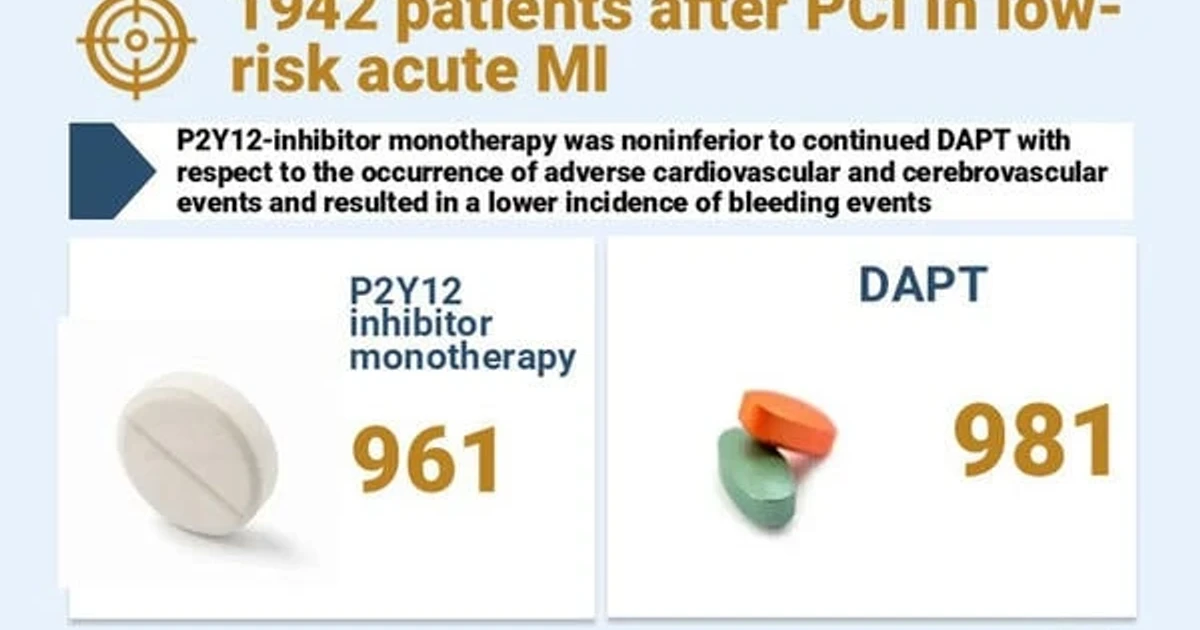
TARGET-FIRST enrolled 2,246 patients with STEMI or NSTEMI across 40 European sites. Presented at ESC Congress 2025 in Madrid and published simultaneously in the New England Journal of Medicine, the trial tested a more selective approach to antiplatelet therapy after PCI in low-risk heart-attack patients who had stents. Stopping aspirin after one month of dual antiplatelet therapy lowered bleeding risk while preserving protection against clot-related events.
After one month of uneventful dual therapy, 1,942 patients were randomized to 11 more months of either P2Y12 inhibitor monotherapy or continued dual antiplatelet therapy. The monotherapy arm used prasugrel or ticagrelor, and the trial was noninferior for ischemic and cerebrovascular outcomes and superior for bleeding reduction. The primary ischemic composite was 7.0% in the aspirin-stop group versus 5.5% in the continued dual-therapy group.
After stenting, aspirin helps guard against clotting, but every added antiplatelet drug increases the chance of bleeding, including gastrointestinal bleeding, bruising, transfusion and hospitalization. Current European Society of Cardiology guidance still recommends 12 months of dual antiplatelet therapy after PCI for myocardial infarction, using aspirin plus a potent P2Y12 inhibitor.

Giuseppe Tarantini of the University of Padua said no randomized trials had previously assessed early aspirin discontinuation in acute MI patients who achieved early, complete revascularization with modern stents. For patients with very high thrombotic risk, the older 12-month approach may still be warranted.
Gilles Montalescot said an aspirin-free strategy was possible after one month of DAPT in low-risk patients.