Health
Early DEHP exposure may raise anxiety risk later in life

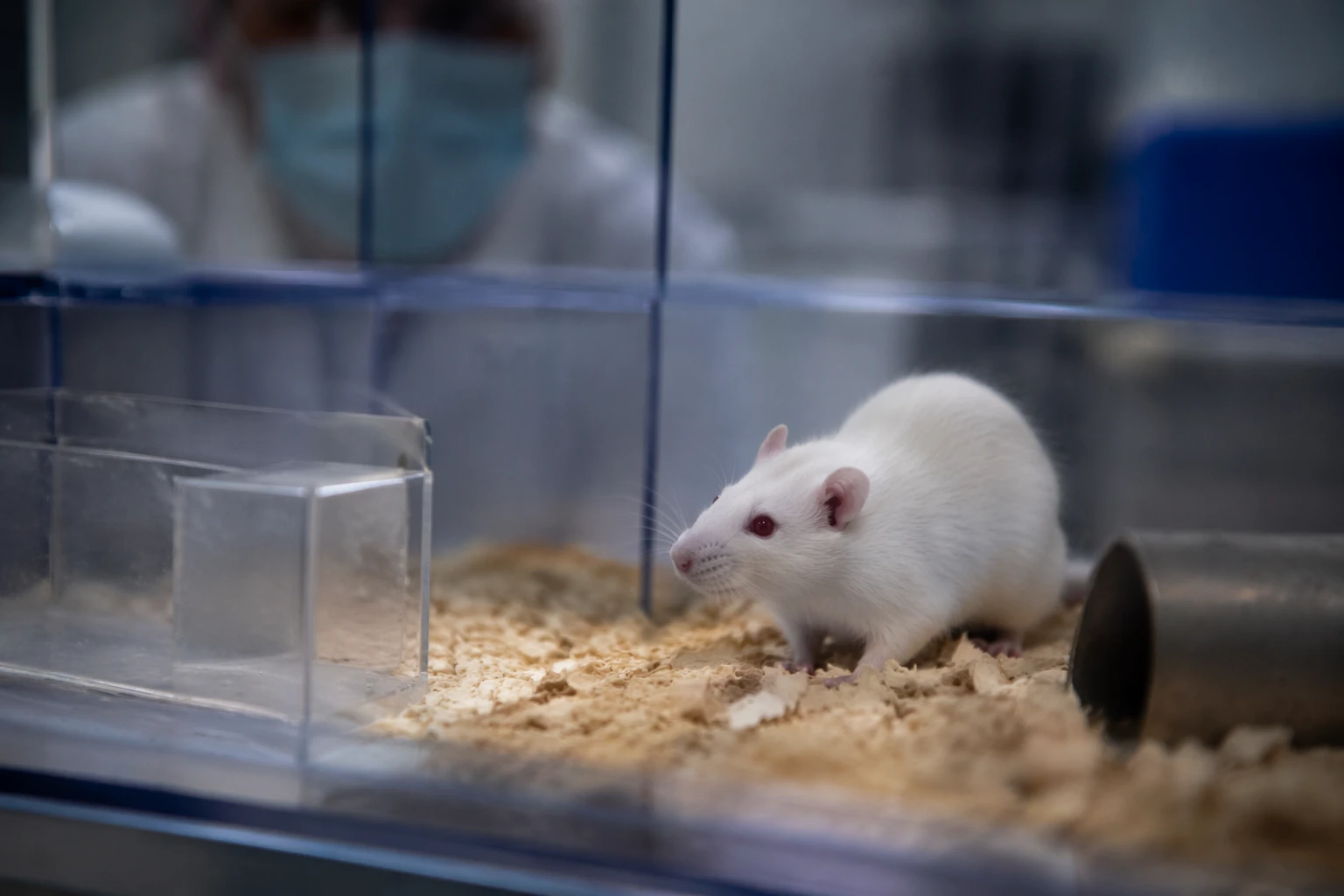
Exposure to DEHP before birth and in the earliest days of life may leave a lasting behavioral mark. In rats, daily oral doses given to pregnant females from the first day of gestation until weaning were linked to more anxiety-like behavior in male offspring when they were tested at 70 days old, long after the exposure had ended.
Osvaldo Juan Ponzo, a professor of physiology at the University of Buenos Aires School of Medicine, presented the findings at ENDO 2026 in Chicago on June 13. In the elevated plus maze, a standard rodent anxiety test, DEHP-only rats spent less time in the open arms, more time in the closed arms and showed more freezing. Rats given GABA agonists or testosterone showed the opposite pattern, a result that points to a possible role for those pathways in the behavior change.
The findings matter because DEHP is not an obscure lab chemical. The Endocrine Society said it is used in medical devices, toys, shower curtains and raincoats. CDC and ATSDR materials add that DEHP can be found in packaging film and sheets, medical tubing and blood storage bags, and that exposure can rise through intravenous fluids delivered by plastic tubing or from contaminated food and water. EPA describes phthalates as high-production-volume chemicals used mainly as plasticizers in PVC products and says it remains concerned because of their toxicity and widespread human and environmental exposure.
The research also underscores why timing can matter more than dose headlines suggest. The concern is not simply that a chemical is present, but that prenatal life and early infancy may be developmental windows when the brain is especially vulnerable. That means a risk can be set in motion before a child can be observed for symptoms, and the effect may not become visible until adulthood.

The result should not be overread. Rat studies do not diagnose people, and the Science Media Centre said the ENDO abstract was unpublished and could not be fully judged from the abstract alone, including sample size and controls. Still, animal research often helps identify mechanisms, and this one fits long-standing concerns about endocrine disruption and neurodevelopment.

Regulators have already begun to respond in pieces. The U.S. Consumer Product Safety Commission permanently prohibits children’s toys and child-care articles containing more than 0.1% DEHP. The Food and Drug Administration said in 2024 that it removed the authorized food-contact uses of most phthalates after industry abandoned those uses. EPA then released final risk evaluations for DEHP and four other phthalates on January 6, 2026, showing that pressure to reduce exposure is still active.
Sources
- [1]sciencedaily.com
- [2]endocrine.org
- [3]cdc.gov
- [4]wwwn.cdc.gov
- [5]epa.gov
- [6]ecfr.gov
- [7]fda.gov
- [8]sciencemediacentre.org