Science
Early immune defenses help toads recover from deadly chytrid fungus
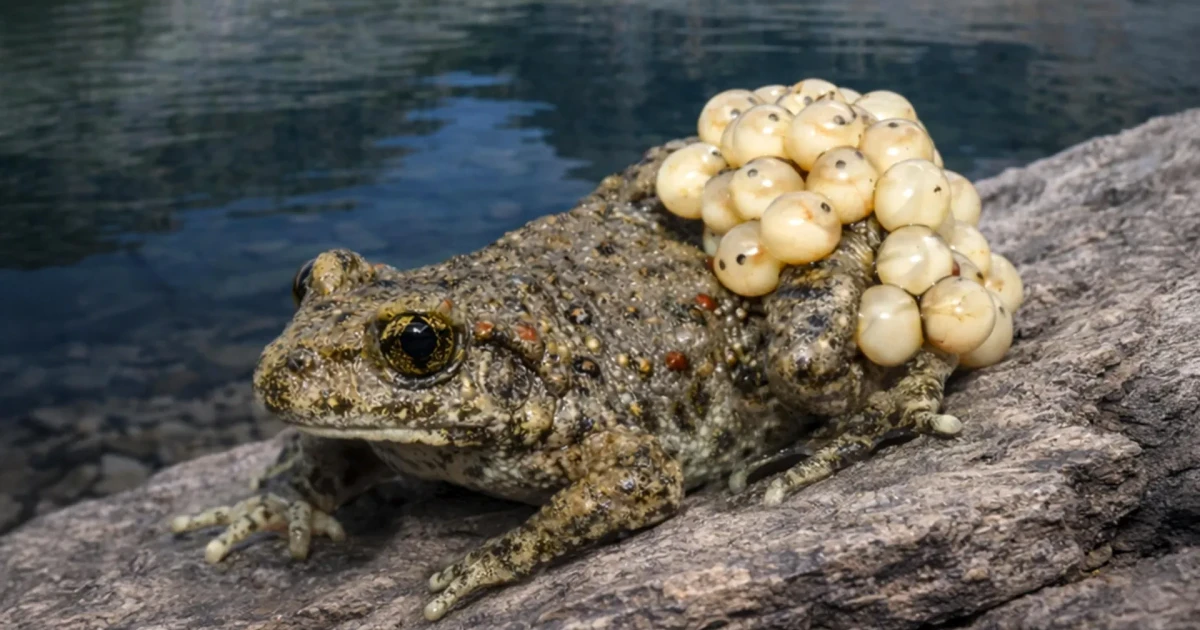
A new study suggests some amphibians survive chytrid fungus because they build defenses while still tadpoles, long before the disease can hit adults hardest. The findings, published July 14 in Nature Chemical Biology, point to a simple but powerful timing shift: early immune development may decide whether a population collapses or comes back.
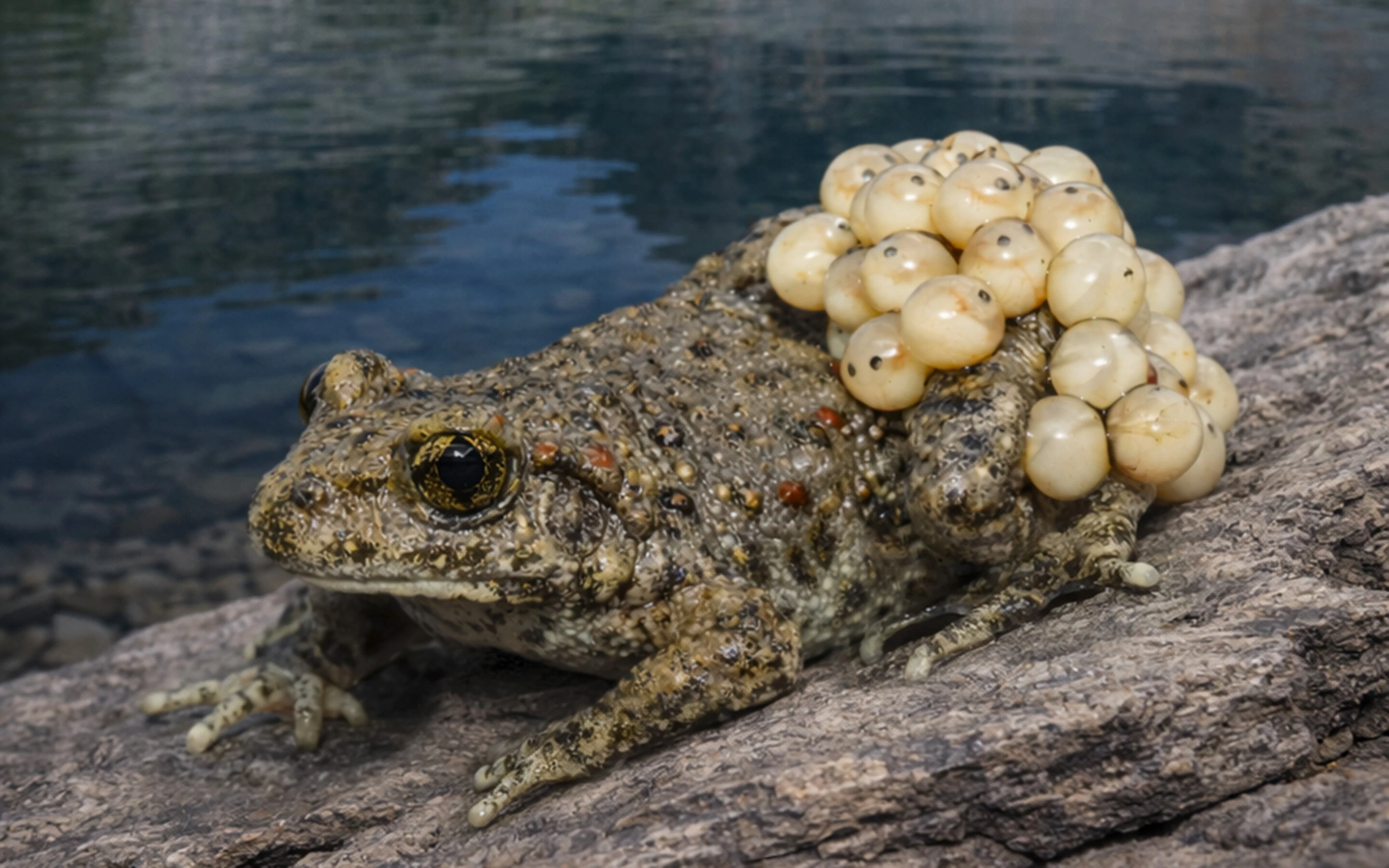
Researchers from University College London, ZSL and Imperial College London examined common midwife toads living around four lakes in the Pyrenees of France and Spain. At three lakes, the toad populations had rebounded even though Batrachochytrium dendrobatidis, or Bd, remained in the environment. At the fourth, the population was still falling. The difference was not whether the fungus was present, but when the animals built their defenses.
Bd causes chytridiomycosis by attacking amphibian skin and disrupting the balance of water, salt and minerals that frogs and toads need to survive. That damage has driven some of the steepest wildlife losses on record, with Bd implicated in the decline or extinction of hundreds of amphibian species. The new work adds a developmental explanation for why some populations persist when others do not.
In the recovering lakes, the toads produced antimicrobial peptides during the tadpole stage, when they were still developing and not yet as vulnerable as adults. Those molecules appear to give the animals a head start before the most dangerous phase of infection. In the lake where the population kept shrinking, tadpoles produced far fewer of those protective peptides, leaving the adult animals less prepared once Bd pressure intensified.
Dr. Phillip Jervis, the study’s lead author, said, "Our study shows species that have declined heavily from this disease can still recover." The finding matters because it suggests conservation work may need to focus not only on exposure to a pathogen, but on whether young animals have the conditions needed to mature their immune defenses in time.
That idea fits with other attempts to help amphibians persist alongside Bd. A 15-year reintroduction study published in 2024 found resistant frogs could reestablish populations despite the fungus, with low modeled extinction risk over 50 years for many of the reintroduced groups. Another 2024 study described artificial thermal refugia, or frog saunas, as a way to help endangered frogs resist chytridiomycosis. Together, those efforts show conservationists are moving toward practical interventions, from habitat support to reintroductions, that may buy time for wildlife to survive a disease that has already spread across much of the world.
The new peptide work adds a different tool: if young amphibians can be protected long enough to develop early defenses, recovery may be more likely than once believed.
Sources
- [1]sciencedaily.com
- [2]nature.com
- [3]imperial.ac.uk