Science
Earth’s Tree Count Surpasses Milky Way’s Stars
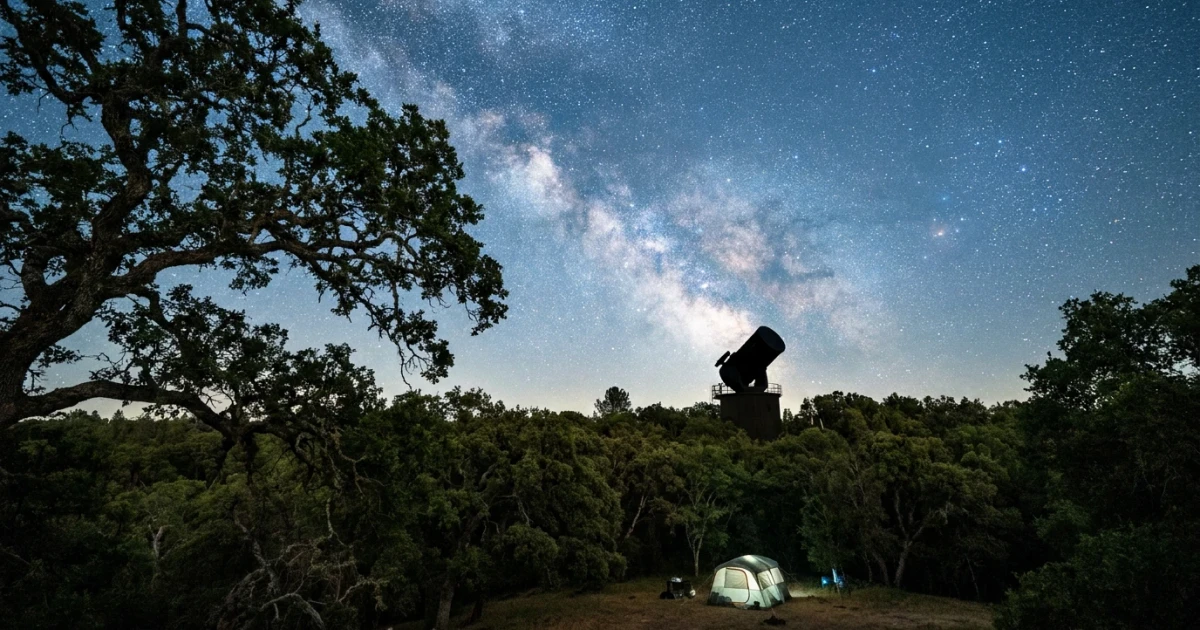
Earth’s forests may seem finite, but recent research suggests the planet is home to more trees than many might expect—more, in fact, than the stars in our galaxy. According to a global tree density study published in Nature, the number of trees on Earth is estimated at approximately three trillion. Meanwhile, NASA open data puts the star count in the Milky Way between 100 billion and 400 billion, making Earth’s trees many times more numerous than its galactic stars.
Comparing Two Vast Populations
The numbers behind these estimates are staggering, and the methodologies used to arrive at them are the result of years of research and advanced technology. The 2015 Crowther et al. study relied on satellite imagery, ground-level surveys, and machine learning to map global tree density. The result—an estimated three trillion trees—was a dramatic revision upward from previous figures, which were often in the hundreds of billions.
- Earth’s tree count: ~3 trillion according to Crowther et al.
- Milky Way star count: 100–400 billion per NASA estimates
NASA’s star count is based on a combination of telescopic surveys and computer modeling. For example, one major survey catalogued over 4,000 stars, helping refine estimates for the galaxy’s total population. While the precise number remains uncertain, the consensus remains that even the highest star count falls far short of Earth’s tree population.
Why the Numbers Matter
The comparison between trees and stars highlights both the incredible productivity of Earth’s biosphere and the vastness of space. Trees play a vital role in regulating the planet’s climate, providing oxygen, storing carbon, and supporting biodiversity. The Milky Way’s stars, meanwhile, are the building blocks of solar systems and the backdrop for countless astronomical discoveries.
The global tree estimate has practical implications for conservation policy and climate science. Knowing the actual number and distribution of trees assists in efforts to combat deforestation and track carbon sequestration. Similarly, refining star counts improves our understanding of galactic structure and the likelihood of habitable planets elsewhere.
Key Takeaways
- Earth’s forests are more abundant than previously assumed, with roughly 3 trillion trees.
- The Milky Way contains between 100 and 400 billion stars, according to NASA.
- The tree count is based on extensive ground surveys and satellite data, while star counts rely on astronomical surveys and modeling.
- Both figures are subject to revision as technology improves and surveys expand.
Ongoing Research and Future Questions
Both fields—forest ecology and astronomy—continue to advance. Researchers expect further refinements in tree density maps as new satellite missions launch and global surveys expand. Similarly, as telescopes become more powerful and data analytics more sophisticated, estimates of the Milky Way’s star population will likely evolve.
Whether counting trees or stars, these efforts underscore humanity’s drive to understand its place in the universe, from the richness of life on our planet to the mysteries of distant galaxies.