World
East Germany keeps shrinking as reunification divides deepen
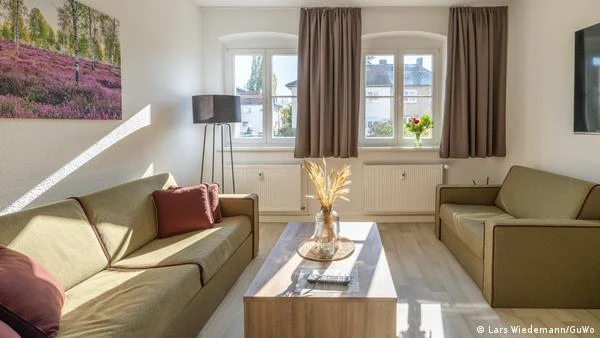
Guben has turned to free housing to fight its decline, offering newcomers up to four weeks of accommodation in hopes of slowing the loss of residents. Thirty people joined the scheme last year, and only six stayed long term, in a border town whose population has fallen from 29,100 in 1995 to 16,600 in 2025.
The town's struggle sits inside a much larger East German demographic collapse that began after reunification on 3 October 1990. The Statistisches Bundesamt says eastern Germany's population fell 16% between 1990 and 2024, to 12.4 million, while western Germany grew 10% to 67.5 million. The east had about 15 million residents at reunification, and the statistical office says the losses were driven by falling births and the out-migration of mostly young people to western states. Similar repopulation efforts have been launched in Frankfurt (Oder) and Eisenhüttenstadt, but the regional balance keeps tilting west.
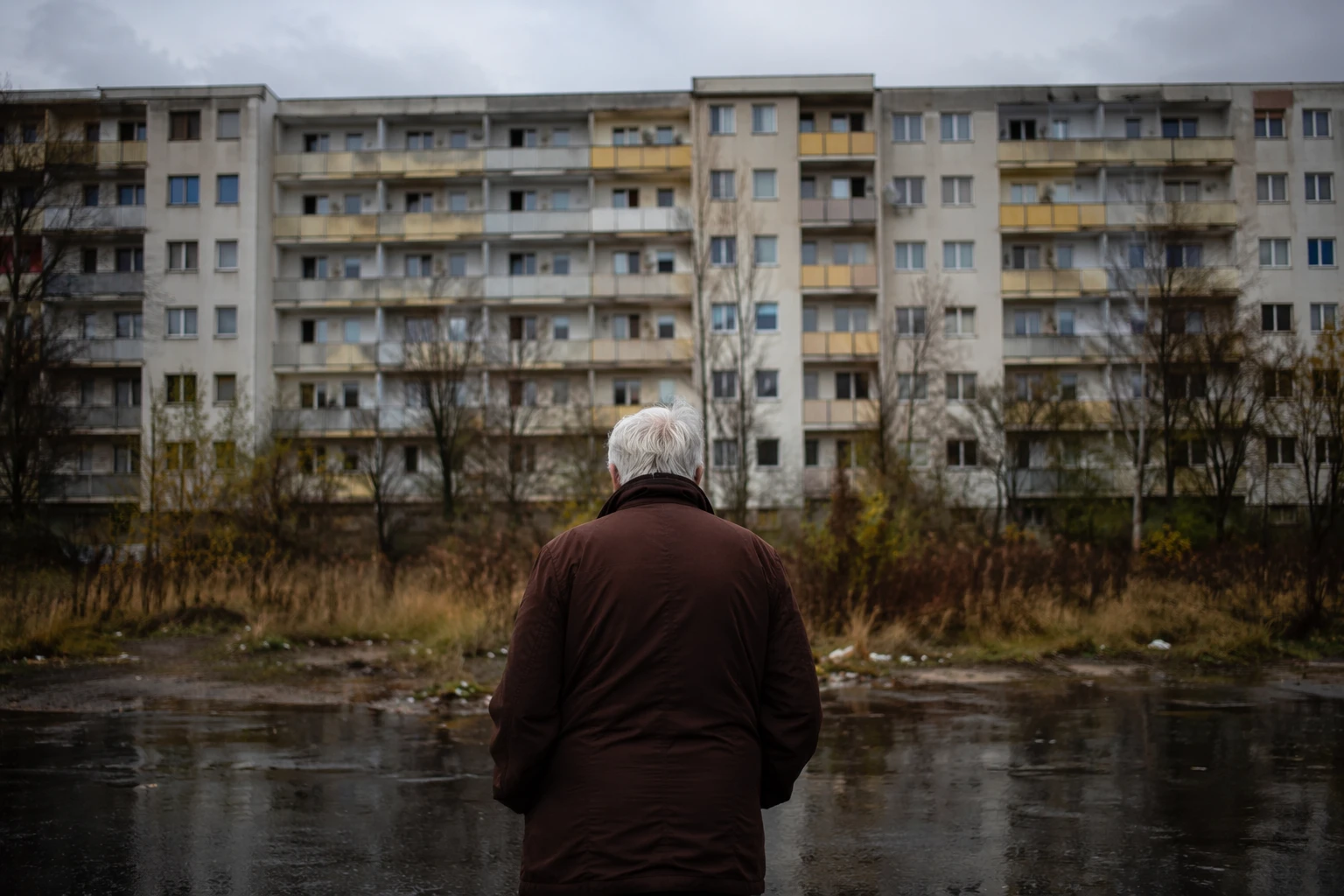
The shrinkage is now feeding a rapid aging problem that reaches far beyond population counts. Destatis says one in four people in Germany will be 67 or older by 2035, up from one in five in 2024, and the number of people aged 67 and older will rise to between 20.5 million and 21.3 million by 2038. Germany had 33 retirement-age people per 100 working-age people in 2024, and that ratio could climb to 61 by 2070 in a low-birth, low-migration scenario. That will put more pressure on labor markets, pensions and health care, especially in regions already losing younger workers.
The economic and political gaps between east and west remain visible three decades after unity. Carsten Schneider, the federal commissioner for eastern Germany, said in 2023 that reunification is "completed, even if it is not perfect," while wage and wealth gaps persisted. Average annual pay in western Germany was more than €12,000 higher than in the east in 2022, and median savings in the west were nearly three times as high in 2021. A 2023 Elite Monitor study found that less than one in eight elite positions were held by people born in the former GDR, leaving the east underrepresented in politics, administration, business and the judiciary. In places like Guben, population loss is no longer just a local problem. It is one more sign that the unfinished work of reunification still shapes who gets jobs, services and influence.
Sources
- [1]bbc.co.uk
- [2]destatis.de
- [3]dw.com