World
East Timor former president and independence icon Francisco Guterres dies at 71
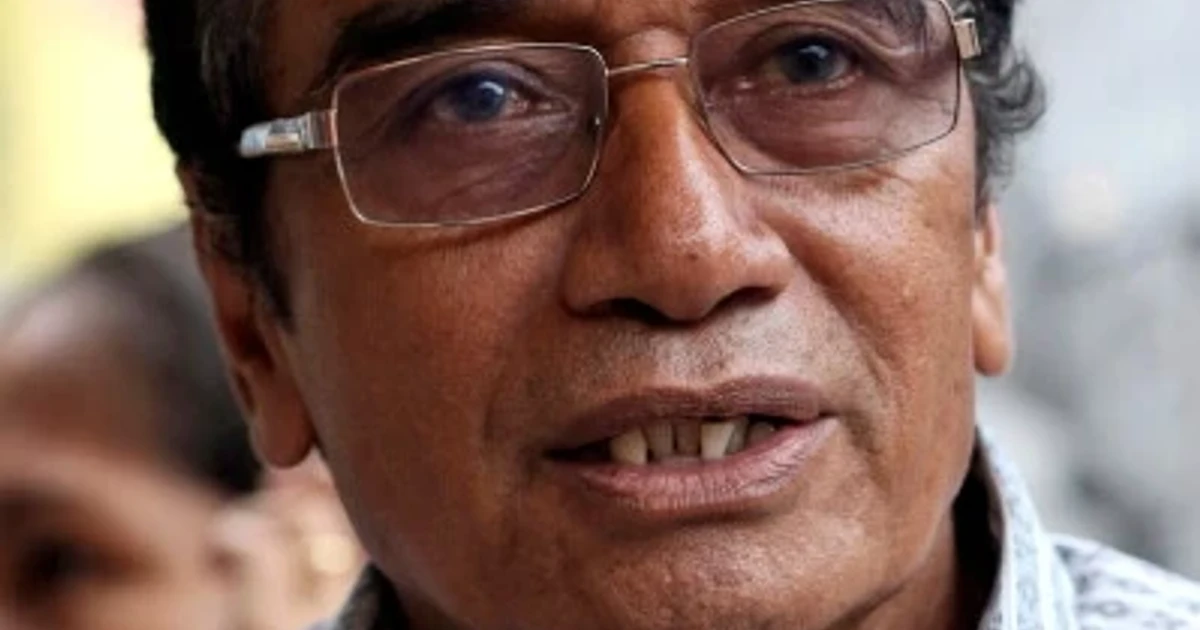
Francisco Guterres, the guerrilla leader known across Timor-Leste as Lu Olo, died in Kuala Lumpur at 71, closing a public life that ran from the anti-occupation struggle to the highest office in the young nation. His death at Prince Court Medical Center on Sunday, after a period in intensive care, immediately set off seven days of national mourning in East Timor, with flags ordered lowered on public buildings and at embassies and consulates abroad.
Guterres was one of the defining figures of Timor-Leste’s independence generation, and his career reflected the country’s path from occupation to statehood. Born on Sept. 7, 1954, in Ossu, then part of Portuguese Timor, he rose through the resistance against Indonesia’s occupation from 1975 to 1999 and later became a senior leader of Fretilin, the party that helped steer the territory toward independence after the UN-backed referendum in 1999. He was president of the Constituent Assembly from Sept. 15, 2001, to May 20, 2002, helping oversee the drafting of the constitution, and then became the first president of the National Parliament, serving from 2002 to 2007.
His presidency, from May 20, 2017, to May 20, 2022, came near the end of a long political climb marked by repeated setbacks and eventual victory. Guterres contested the presidential elections in 2007, 2012 and 2017, losing in the second round in both 2007 and 2012 before winning the office in 2017. He was later defeated in 2022 by fellow independence fighter Jose Ramos-Horta, underscoring how closely the country’s top politics remained tied to the men and women who led the resistance.
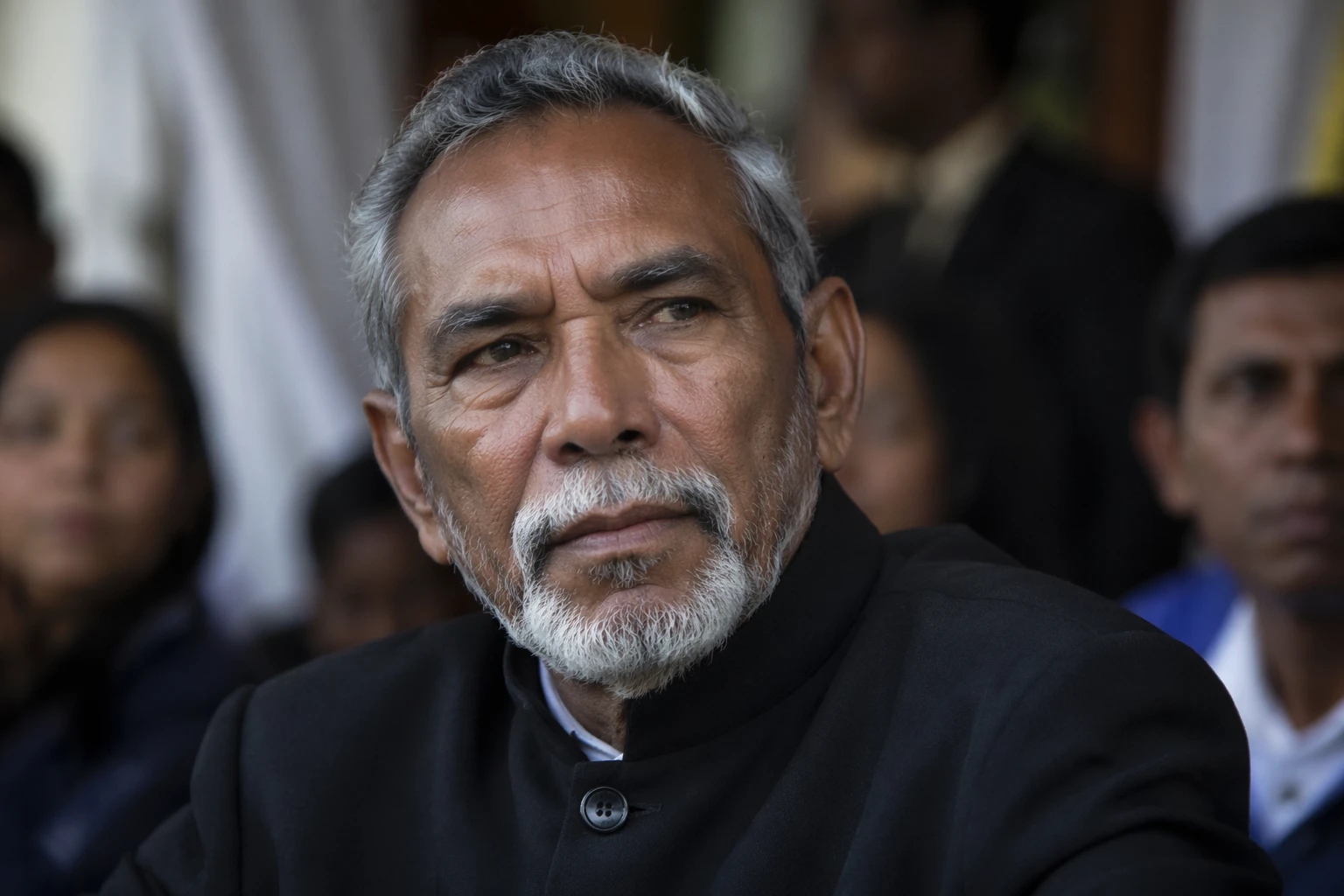
The response to his death showed how deeply that generation still shapes the national imagination. Malaysian Prime Minister Anwar Ibrahim conveyed condolences to Guterres’ family and to the people of Timor-Leste, while Fretilin called the loss profound for those who wanted a free, democratic and sovereign country. Guterres is survived by his wife, Cidalia Lopes Nobre Mouzinho Guterres, and their children.
For Timor-Leste, which won independence only in 2002, Guterres’ death is not only the loss of a former head of state. It is a reminder that the republic’s founding story remains unfinished, with the legacy of the resistance still central to political identity and the work of democratic consolidation still unresolved.
Sources
- [1]arabnews.com
- [2]aol.com
- [3]malaymail.com
- [4]straitstimes.com