Lifestyle
Easter Travel Slump Hits Australia and Key Destinations
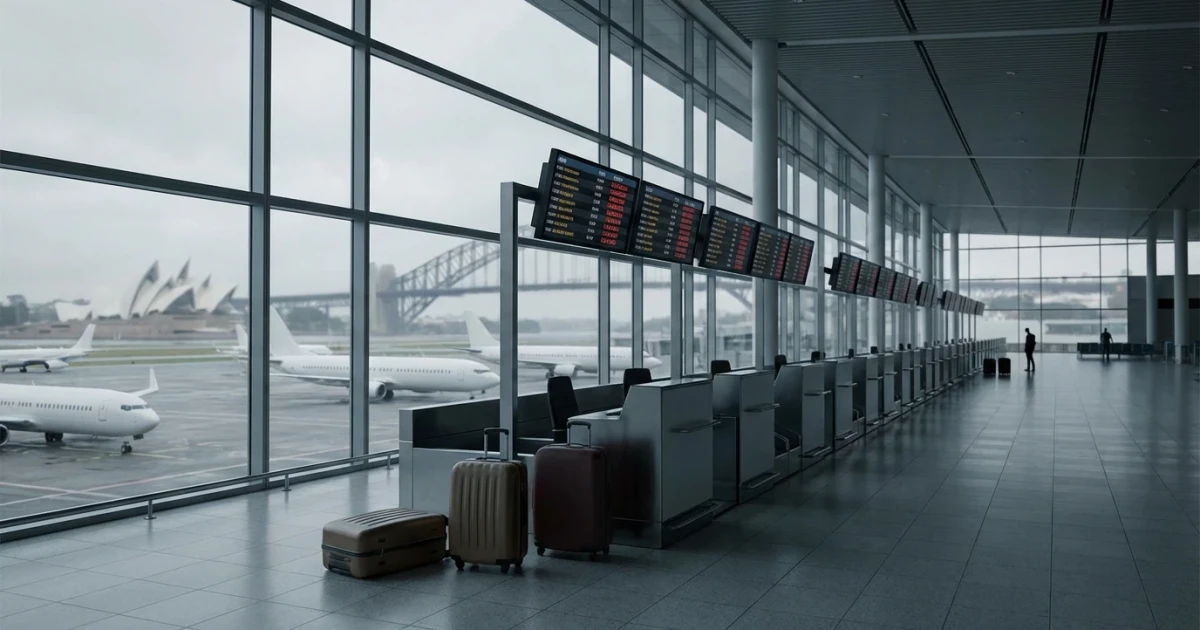
Major travel destinations including Australia, France, Cyprus, Greece, the UK, and the Philippines faced a notable decline in Easter tourism this year, as surging global jet fuel prices and escalating Middle East tensions disrupted the sector's slow recovery, according to reports from Travel And Tour World.
Travel Demand Falls Amid High Costs and Geopolitical Concerns
Traditionally, the Easter holiday period marks a peak in global leisure travel, with millions heading abroad to take advantage of spring breaks and favorable weather. However, this year saw a marked downturn, with travel organizations and tourism boards across multiple countries reporting fewer arrivals and bookings compared to pre-pandemic norms. The tourism downturn comes as airlines and tour operators grapple with sharply higher operational costs, driven largely by a sustained rise in jet fuel prices that have strained both carrier margins and consumer budgets.
- Australia reported a slowdown in international arrivals during the Easter period, a reversal from the steady growth observed throughout much of the post-pandemic recovery.
- France, typically the world’s most visited country, registered lower tourist numbers for the holiday, with hospitality businesses in Paris and along the Mediterranean coast reporting weaker occupancy rates.
- Cyprus and Greece, both heavily dependent on seasonal tourism, also saw declines in arrivals and overnight stays, particularly from long-haul markets.
- The UK observed a reduction in overseas visitors, impacting both city tourism in London and leisure travel to the countryside.
- The Philippines, after a strong 2023, also experienced a dip in visitor arrivals during the Easter break.
Multiple Pressures on Tourism Recovery
The travel industry’s hopes for a robust 2026 recovery were tempered by several headwinds. The ongoing rise in fuel prices, as tracked by the IATA Jet Fuel Price Monitor, has led to higher airfares and operational costs for airlines. This, in turn, has dampened consumer appetite for international travel, especially for families and budget travelers who are typically more price sensitive during peak holiday periods.
At the same time, sustained tensions in the Middle East have introduced new uncertainties for travelers and airlines alike, with some routes subject to detours, increased insurance costs, or outright cancellations. Industry observers note that these factors have combined to slow the post-pandemic tourism recovery that many destinations had counted on for economic revitalization.
Economic Impact on Key Destinations
For destinations such as Cyprus and Greece, where tourism accounts for a significant share of GDP and employment, the Easter period is crucial for local businesses ranging from hotels to restaurants and tour operators. Similarly, Australia’s tourism-dependent cities and regions were banking on a strong Easter to help offset weaker demand in the first quarter of the year.
France’s tourism sector, which generated over €50 billion in revenue in 2023, is seeing the effects of fewer arrivals ripple through hotel bookings, retail, and cultural attractions. The United Kingdom and the Philippines, both of which saw a promising rebound last year, now face renewed uncertainty as global travel flows fluctuate.
Looking Ahead: Recovery Remains Uneven
While travel experts remain optimistic about the medium-term outlook, the Easter travel decline highlights the sector’s vulnerability to external shocks and cost pressures. According to the UN World Tourism Organization, international tourism remains on track for full recovery in the coming years, but progress is expected to be uneven across regions and market segments.
For now, tourism boards and industry leaders are recalibrating their expectations and strategies for the summer season, with hopes that easing fuel costs and geopolitical stability will help reignite consumer confidence. Until then, major destinations across the globe are bracing for a slower-than-expected rebound—and searching for ways to adapt to a shifting travel landscape.