World
Eastern EU states press Brussels to boost climate transition funding
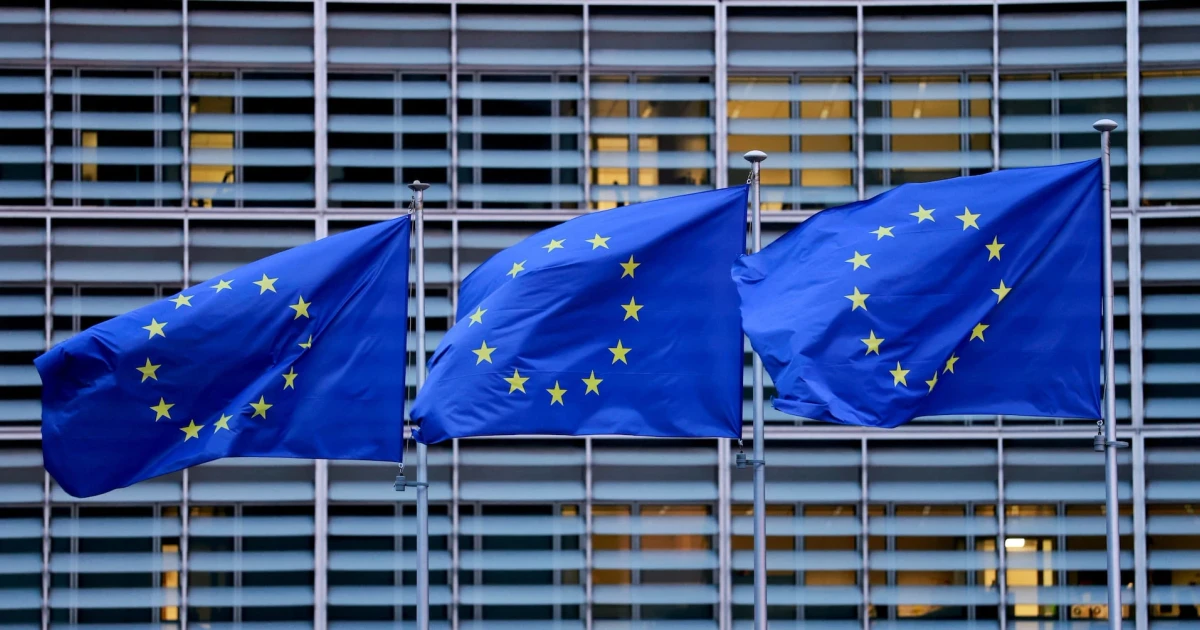
Eastern and Central European governments are pressing Brussels to lock in stronger climate-transition funding before the European Union rewrites its carbon market rules. Poland, Bulgaria, Romania, Estonia and other member states have asked the European Commission to reinforce the Modernisation Fund, arguing that poorer countries need steadier support as the bloc tightens emissions targets.
The fund sits at the center of the dispute because it is built from auction revenues in the EU emissions trading system and is meant to help lower-income member states modernize energy systems and improve energy efficiency. Established in the 2018 revision of the ETS, it covers 13 beneficiaries, including Bulgaria, Czechia, Estonia, Greece, Croatia, Latvia, Lithuania, Hungary, Poland, Romania, Slovakia, Slovenia and, since 2024, Portugal. The Commission says the ETS began in 2005 and is now in its fourth phase, running from 2021 to 2030.
The financing argument has grown sharper as the sums have risen. On December 17, 2025, the Commission and the European Investment Bank said the Modernisation Fund had reached 20.7 billion euros in support for 294 investments since 2021, including 1.8 billion euros for 45 clean-energy investments in 12 member states. On July 3, 2025, they announced another 3.66 billion euros for 34 energy-related projects in nine member states. For eastern capitals, those figures are evidence that the fund matters, but not that it is yet large enough to balance the costs of decarbonization.
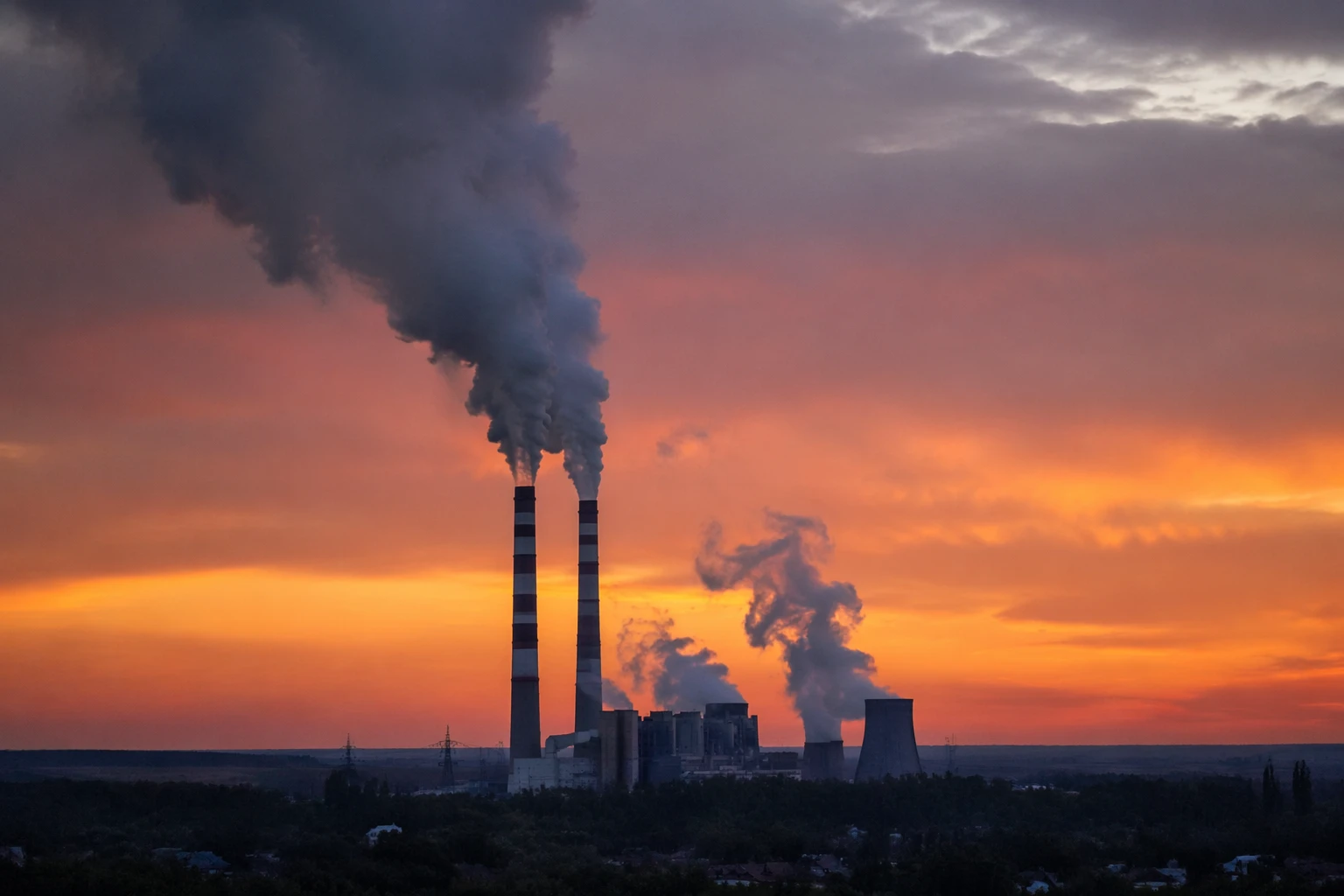
The timing gives the lobbying effort immediate weight. The letter from the governments was dated June 19, just weeks before the Commission is due to present its proposal on July 15 for a broader revision of the EU emissions trading system. That review is already under way: the Commission opened a public consultation on April 15, 2025 covering the ETS, the Market Stability Reserve, the Innovation Fund and the Modernisation Fund, and it held a high-level stakeholder roundtable on May 12, 2026 with close to 60 representatives from industry, aviation, maritime sectors, civil society, auction platforms and market analysts.
The broader political fight is not only about emissions levels. It is about burden-sharing inside the bloc, with eastern governments seeking predictable financing so climate policy does not deepen existing economic gaps. The issue is also colliding with talks on the next EU multiannual financial framework, making climate money part of a wider budget struggle that will shape whether the green transition stays politically durable across the union.