Health
Ebola Bundibugyo Outbreak Triggers Global Health Alert
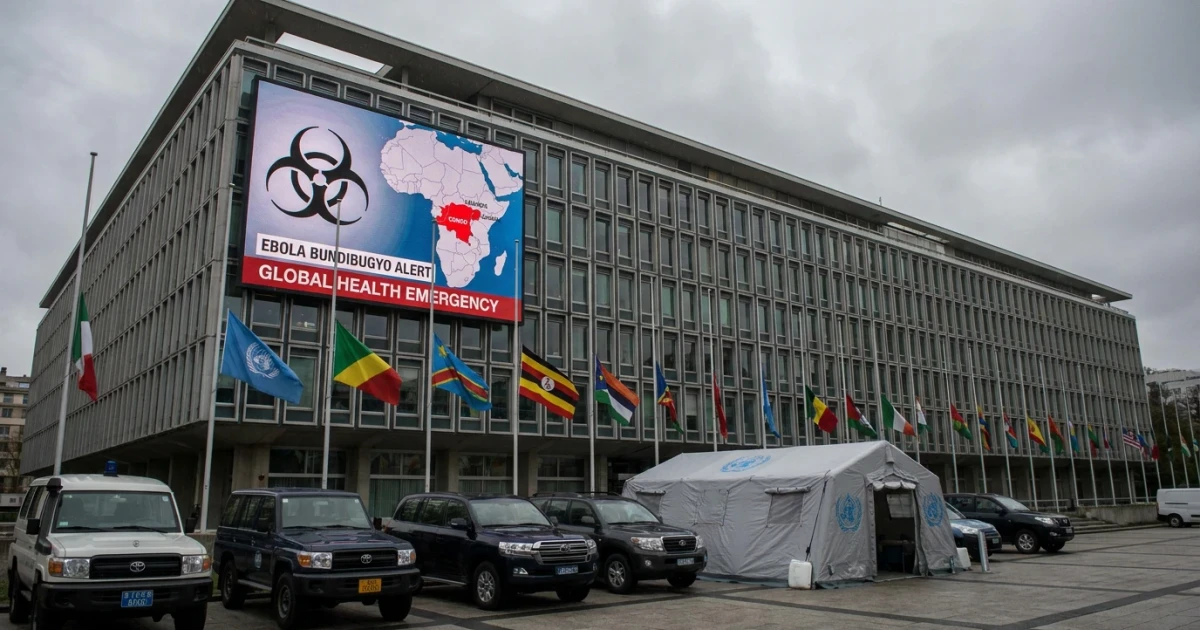
The World Health Organization (WHO) has declared the recent outbreak of Ebola virus disease caused by the Bundibugyo virus in the Democratic Republic of the Congo and Uganda a public health emergency of international concern, signalling heightened global vigilance and coordinated response efforts.
What Is the Bundibugyo Ebola Virus?
The Bundibugyo virus is one of several species responsible for Ebola virus disease, a severe and often fatal hemorrhagic fever. While most widely known outbreaks have involved the Zaire strain, Bundibugyo virus has previously caused major epidemics, notably in Uganda in 2007. According to the CDC's chronology of Ebola outbreaks, Bundibugyo virus events have lower case fatality rates than Zaire, but the risk of rapid spread and high mortality remains significant.
Recent Outbreak Details
- Outbreaks have been confirmed in both the Democratic Republic of the Congo and Uganda.
- The WHO's declaration marks the epidemic as a public health emergency of international concern (PHEIC), the highest level of alert for infectious diseases.
- Bundibugyo virus transmission occurs through direct contact with bodily fluids of infected individuals or contaminated materials.
- Symptoms include fever, severe weakness, muscle pain, vomiting, diarrhea, and, in severe cases, hemorrhage.
The WHO outbreak report documents the cross-border nature of this epidemic, raising concerns about regional and international dissemination.
Global Health Emergency: Implications and Response
Declaring a PHEIC activates international support mechanisms for disease surveillance, containment, and care. It also mandates rapid sharing of information, coordinated logistics, and resource mobilization among governments and health agencies. This status was previously invoked during the West African Ebola crisis and the COVID-19 pandemic.
The Bundibugyo virus epidemic’s clinical and epidemiological profile differs somewhat from other Ebola strains. Past research has shown that Bundibugyo outbreaks typically involve:
- Lower case fatality rates compared to Zaire Ebola virus
- Rapid person-to-person transmission
- Challenges in early detection due to symptoms overlapping with other diseases
Containment Measures
Efforts underway include:
- Enhanced border screening between Congo and Uganda
- Deployment of rapid response teams to affected districts
- Community engagement and education on transmission risks
- Provision of personal protective equipment for healthcare workers
The registry of clinical trials shows ongoing research into vaccines and therapeutics specifically targeting Bundibugyo virus, though most approved vaccines focus on Zaire strain.
Risks and Next Steps
International health authorities warn of continued risk due to porous borders and limited healthcare infrastructure in affected regions. According to CDC clinical guidance, early isolation and supportive care are crucial for improving survival rates and preventing further spread.
With the WHO's emergency declaration, countries worldwide are urged to strengthen preparedness, monitor travel, and support response efforts. Vigilant surveillance and rapid intervention remain key to containing the outbreak before it expands further.
Analysis: Challenges Ahead
While emergency measures are ramping up, the Bundibugyo virus presents unique challenges in diagnosis, public awareness, and vaccine development. The outbreak underscores the importance of cross-border cooperation and investment in health systems to manage future epidemics. As research continues and containment strategies evolve, the global community’s response will be crucial in preventing escalation.
For further details on Ebola virus disease, its history, and ongoing clinical research, readers can explore the WHO fact sheet and CDC outbreak chronology.