Health
Ebola Cases Decline in DR Congo Amid Ongoing Challenges
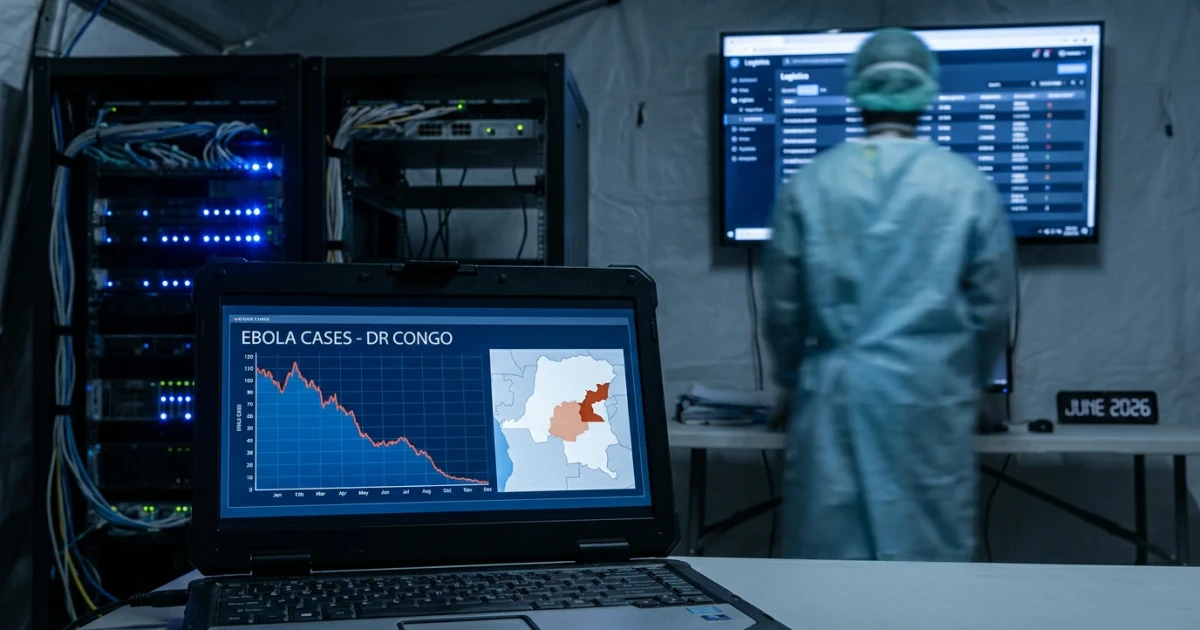
Ebola case numbers in the Democratic Republic of the Congo (DR Congo) have recently shown signs of decline, sparking cautious optimism among health officials and communities. However, experts and local organizations caution that the situation is far from resolved, with persistent challenges ranging from misinformation to logistical hurdles.
Encouraging Trends in Ebola Case Numbers
According to recent reports, the number of new Ebola cases in DR Congo has dropped in recent weeks. This trend, observed by multiple international health agencies, appears to offer hope for containment of the deadly virus. The BBC notes that the decrease in cases is a positive sign, reflecting the impact of ongoing response efforts, including community engagement, vaccination drives, and improved treatment protocols.
- Recent data show a significant reduction in weekly confirmed Ebola cases.
- Health teams have expanded vaccination coverage in affected regions, targeting high-risk populations.
- Local health facilities have reported improved patient outcomes linked to early detection and rapid intervention.
For more detailed outbreak statistics, readers can explore the WHO Global Health Observatory Ebola case data.
The Complex Reality Behind Lower Numbers
Despite these encouraging figures, the BBC cautions that the apparent improvement is not straightforward. Multiple factors contribute to the complexity of the situation:
- Underreporting: In remote areas, limited access to medical facilities and ongoing insecurity mean that not all cases are captured in official statistics.
- Misinformation: As highlighted by Associated Press, local radio stations have become critical in combating health misinformation, which can undermine containment efforts. Community mistrust and rumors about the virus and vaccines persist in several regions.
- Logistical Challenges: Difficult terrain, ongoing conflict, and resource shortages hamper the ability of health workers to reach affected communities and conduct surveillance.
For context on Ebola transmission and outbreak dynamics, the ECDC Ebola factsheet provides a comprehensive explainer.
Role of Local Media in Addressing Misinformation
One notable response strategy has been the involvement of local radio stations. The Associated Press reports that these stations are actively broadcasting factual information about Ebola, aiming to counteract rumors and educate communities about prevention and symptoms. This grassroots approach has proven vital in increasing public trust and encouraging cooperation with health officials.
Efforts to combat misinformation include:
- Regular interviews with medical professionals
- Community call-in shows to address fears and questions
- Broadcasts in local languages to reach diverse audiences
Continued Vigilance Needed
While the drop in case numbers is promising, health experts emphasize the need for continued vigilance. Outbreaks can resurge quickly if surveillance lapses or if misinformation spreads unchecked. The BBC notes that success hinges on sustained support for local health initiatives, effective communication, and addressing logistical barriers.
For further insights into response strategies and lessons learned from past outbreaks, a peer-reviewed research article on Ebola in DR Congo offers a deeper analysis.
Looking Ahead
The situation in DR Congo illustrates both the progress made and the ongoing complexities of managing Ebola outbreaks. As case numbers fall, the focus now shifts to maintaining momentum, improving access to healthcare, and strengthening community engagement. Continued international support and local initiatives, such as radio-based education campaigns, remain essential for lasting containment.
Readers can follow official updates and response efforts through the UNICEF Ebola Response page.