Health
Ebola Cases in DR Congo Surpass 900 Amid Health Worker Risks
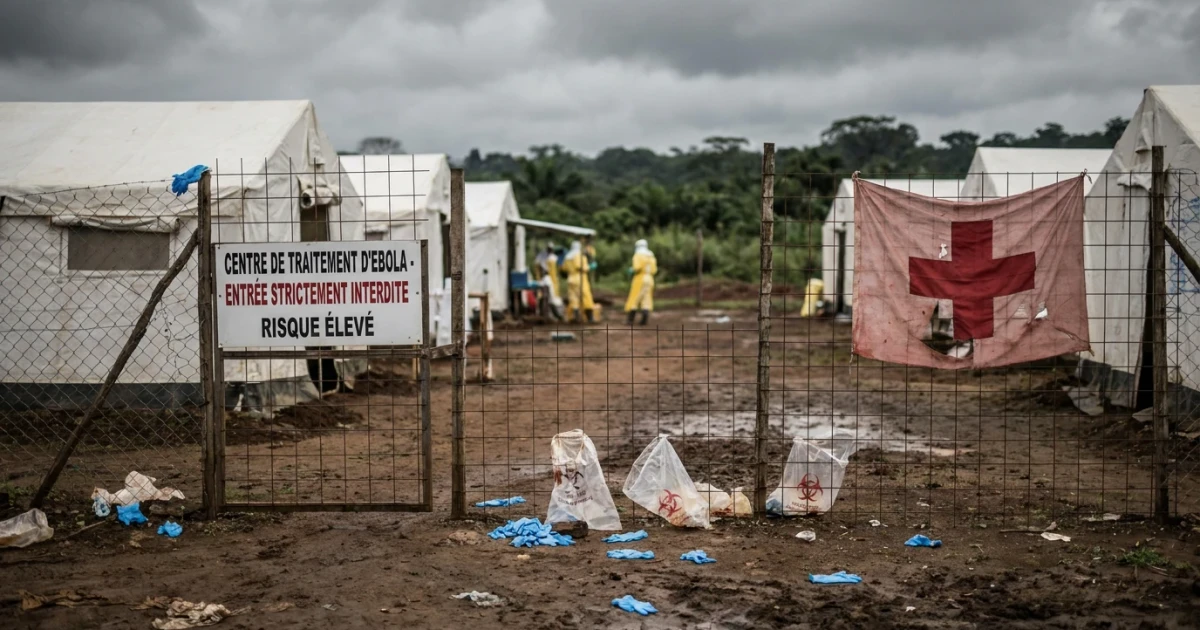
Suspected Ebola cases in the Democratic Republic of Congo (DRC) have now surpassed 900, with health workers facing mounting challenges as the outbreak continues to spread. The ongoing epidemic has been exacerbated by repeated attacks on medical staff and significant shortages of essential supplies, threatening both the response effort and the safety of those on the front lines.
Ebola's Persistent Threat in the DRC
The outbreak, which has gripped regions in the eastern DRC, shows no signs of slowing. According to the latest figures, more than 900 suspected Ebola cases have been reported, a stark indicator of the virus’s continued toll on communities already beset by instability. CDC data confirms that the virus remains concentrated in the North Kivu and Ituri provinces, areas that have struggled with both insecurity and limited infrastructure.
Challenges Facing Health Workers
Efforts to contain the Ebola outbreak have been hampered by attacks on health facilities and personnel. The Guardian reports that medical teams and treatment centers have come under repeated threat, with several incidents of violence directed at those providing care. This environment has made it increasingly difficult for responders to deliver vaccines, conduct contact tracing, and provide critical treatment.
- Health worker attacks: Multiple assaults on Ebola treatment centers have disrupted operations and endangered lives.
- Resource shortages: The availability of protective equipment, medications, and laboratory supplies remains limited, further constraining the response.
- Community mistrust: Persistent misinformation and fear have led to resistance against intervention efforts, complicating outreach and vaccination campaigns.
According to the UN Office for the Coordination of Humanitarian Affairs, these challenges are not new but have intensified as the outbreak persists. Many health workers are operating under extreme conditions, with some forced to suspend activities in high-risk areas.
Implications for Containment Efforts
The combination of violence, supply shortages, and logistical hurdles has slowed progress in bringing the outbreak under control. Contact tracing—a vital tool for identifying and isolating potential cases—has become particularly difficult when health workers cannot safely access affected communities. This, in turn, increases the risk of further transmission.
Recent WHO situation reports highlight that the number of new suspected cases continues to rise, and gaps in vaccination coverage threaten to undermine previous gains. In some areas, health teams have resorted to intermittent operations, only entering communities under armed escort or after securing community leaders’ support.
Data and Humanitarian Response
Interactive data from the Humanitarian Data Exchange show most recent cases are clustered in hard-to-reach villages, where access is further complicated by poor road infrastructure and ongoing conflict. Humanitarian organizations have called for greater international support to address both the medical and security aspects of the crisis.
Despite the obstacles, health authorities and international partners continue to prioritize the rapid identification of cases, safe burials, and community education to limit the virus’s spread. The official response plans emphasize the need for improved logistics, enhanced security for health workers, and sustained public engagement.
Looking Ahead
As the number of suspected Ebola cases in the DRC climbs past 900, the dual threat of violence and resource scarcity underscores the urgent need for coordinated action. Strengthening health systems, protecting medical personnel, and rebuilding trust within affected communities will be critical to halting the outbreak. Ongoing monitoring and support from both national and international stakeholders remain essential to preventing further escalation and safeguarding the region’s health.