Health
Ebola Cases Surge in DRC Amid Rapid Spread Concerns
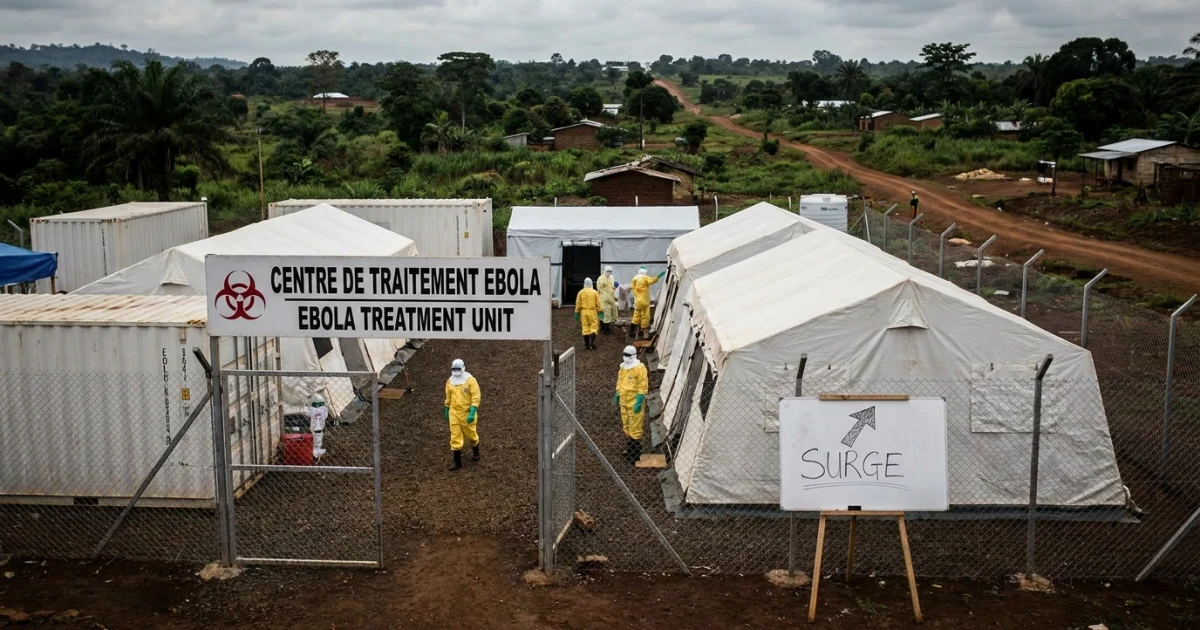
Suspected Ebola cases in the Democratic Republic of the Congo (DRC) have tripled in just one week, raising alarm among health authorities as the World Health Organization (WHO) cautions about the virus's swift transmission in the region. The Guardian reported on the escalating numbers and the growing pressure on the DRC’s public health infrastructure to contain the outbreak.
Rapid Increase in Suspected Cases
According to WHO’s latest statements, the DRC is facing a significant uptick in suspected Ebola virus disease (EVD) cases. The Guardian highlighted that the number of suspected cases has tripled over the past seven days, underscoring the urgency for coordinated response efforts. The surge is particularly concerning given the virus’s high fatality rate and history of rapid transmission in affected communities.
- WHO warns of possible spread beyond current outbreak zones.
- Local health systems are under severe strain, with resources stretched thin.
- Previous Ebola outbreaks in the DRC have shown the risks of unchecked transmission in dense populations.
WHO Response and Warnings
The WHO has issued an alert emphasizing the need for swift containment measures. The organization is deploying additional resources and working closely with local authorities to trace contacts, isolate suspected cases, and expand community awareness campaigns. The Guardian cited WHO officials who stressed that the situation remains "dynamic and potentially volatile," with the risk of further escalation if the outbreak is not quickly brought under control.
Epidemiological Concerns
Ebola virus disease is notorious for its history of outbreaks in the DRC, making robust surveillance and rapid response vital. The Guardian’s coverage noted that many of the new suspected cases are concentrated in areas with limited access to healthcare, complicating containment efforts and increasing vulnerability among local populations.
- Suspected cases now outnumber confirmed cases, raising questions about testing capacity.
- WHO is monitoring for possible cross-border transmission.
- Health workers are conducting intensified contact tracing and community outreach.
Challenges Facing Health Authorities
The DRC’s public health system is facing considerable challenges as it attempts to control the outbreak’s spread. The Guardian points to ongoing shortages of medical supplies, insufficient isolation facilities, and difficulties with community engagement due to mistrust and misinformation. These issues are compounded by the country’s recent history of recurrent Ebola outbreaks and other infectious diseases.
Community Engagement and Misinformation
Efforts to curb the outbreak must address local skepticism and misinformation about Ebola. The Guardian notes that previous outbreaks in the DRC have been exacerbated by rumors and resistance to medical interventions. WHO and partner organizations are stepping up community education campaigns to dispel myths and encourage early reporting of symptoms.
Forward Outlook and Response Measures
With suspected Ebola cases rising rapidly, international assistance and local coordination are crucial. The Guardian emphasizes the importance of maintaining vigilance, ensuring adequate supplies, and mobilizing health workers in affected regions. While the current surge in suspected cases is alarming, past experiences in the DRC highlight that prompt intervention can significantly reduce mortality and limit the spread of the virus.
For ongoing updates, readers can monitor official situation reports and explore humanitarian response strategies from organizations active in the DRC. As the outbreak evolves, global health authorities remain focused on containment, prevention, and supporting vulnerable communities.
The tripling of suspected Ebola cases in a week underscores the critical need for rapid, coordinated action. The coming days will be pivotal in determining whether the DRC can contain the virus and prevent broader regional impacts.