Health
Ebola Claims Red Cross Volunteers Amid Rising Cases in Uganda
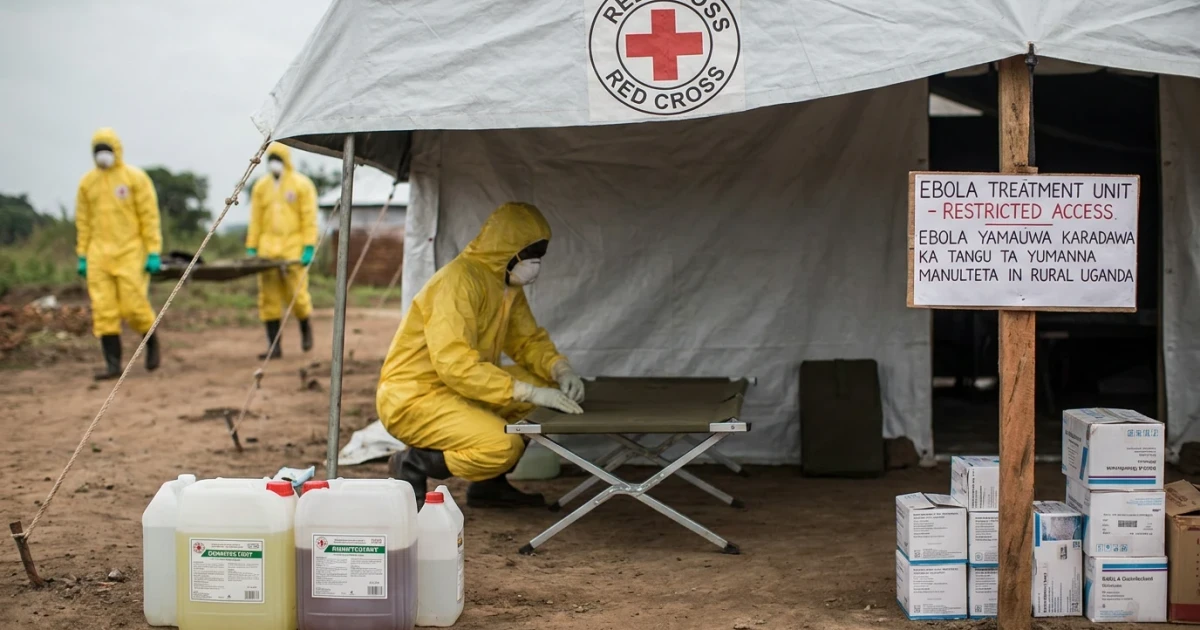
Three Red Cross volunteers have died from Ebola virus disease in Uganda, NBC News reported, as the country faces a sharp rise in confirmed cases. The deaths highlight the risks frontline workers face and intensify concerns about the outbreak’s trajectory and the safety of those combating the virus.
Volunteers on the Front Lines
The Red Cross volunteers had been working in affected communities, providing crucial support including patient care, contact tracing, and public health education. Their deaths underscore the significant dangers health and aid workers encounter, especially during the management of highly contagious diseases like Ebola. The Red Cross response in Uganda has involved hundreds of volunteers and staff, who often operate in challenging conditions and with limited resources.
Rising Case Numbers and International Response
Uganda’s Ministry of Health, supported by international agencies, continues to track an increasing number of Ebola cases. According to the World Health Organization’s official outbreak report, Ebola cases have been spreading across several districts, prompting efforts to bolster surveillance and isolation measures. The outbreak has triggered a multi-agency response, with local and international organizations ramping up efforts to contain the virus’s spread and care for patients.
- The Red Cross has deployed additional teams to assist with safe and dignified burials, a key aspect of Ebola containment.
- International partners are providing supplies such as personal protective equipment (PPE), rapid diagnostic tests, and logistical support for contact tracing.
- Ongoing public awareness campaigns aim to educate communities on prevention measures and the importance of early reporting of symptoms.
Risks to Health Workers
The death of aid workers is a stark reminder of the occupational hazards faced during Ebola outbreaks. Data from previous outbreaks, including the Centers for Disease Control and Prevention’s historical Ebola outbreak database, consistently highlight health worker infections as a critical challenge. Infection among frontline staff not only endangers those workers but also jeopardizes outbreak control by reducing already strained human resources and potentially increasing community anxiety or mistrust.
Lessons from Past Outbreaks
Experts have frequently cited the importance of rapid response, community engagement, and robust protection for health workers as pivotal in controlling Ebola outbreaks. The Humanitarian Data Exchange’s dataset for the Uganda Ebola outbreak provides context on the scale and distribution of cases, reinforcing the need for coordinated efforts between government, international agencies, and local communities.
Uganda’s experience with previous Ebola outbreaks has led to improvements in emergency preparedness, though the ongoing fatalities among aid workers show that persistent gaps remain. As case numbers rise, sustained support for those on the front lines is both a public health imperative and a humanitarian obligation.
Outlook and Continuing Challenges
Containing the current outbreak will require ongoing vigilance, rapid identification of new cases, and continued support for health workers. The loss of Red Cross volunteers is a sobering development and may prompt renewed calls for enhanced training, access to protective equipment, and psychological support for responders.
As Uganda and its partners work to prevent further spread, the situation remains fluid. Continued monitoring, transparent communication, and strong international partnerships will be essential in bringing this outbreak under control and safeguarding those most at risk.